
Time Horizon
12 36 Months
Within the Time Horizon facet, 12 36 Months time-horizon intelligence organises articles by the period over which a signal is expected to matter. The page helps readers distinguish immediate operational changes from longer-cycle governance, investment, standards, and infrastructure shifts that may unfold across quarters or years. It connects timing assumptions with public evidence, related actors, market context, customer exposure, policy pressure, and infrastructure planning so readers can judge whether a development is urgent, strategic, or still waiting on confirming evidence. The page also explains how time horizon changes the meaning of a signal, which organisations may be exposed, and which infrastructure decisions require short-term action or long-cycle monitoring.

North America Datacenter Trends
US heatwave exposes grid strain as AI data centres expand
Extreme weather is exposing a new reality for AI infrastructure: reliable power is becoming as important as available power.

Story
Why IPv6 transition leaves AFRINIC IPv4 authority unresolved
IPv6 deployment is real, but AFRINIC shows why transition does not erase medium-term IPv4 scarcity, registry power, ledger accountability or the economics of compatibility.
Europe and Middle East National Telecom
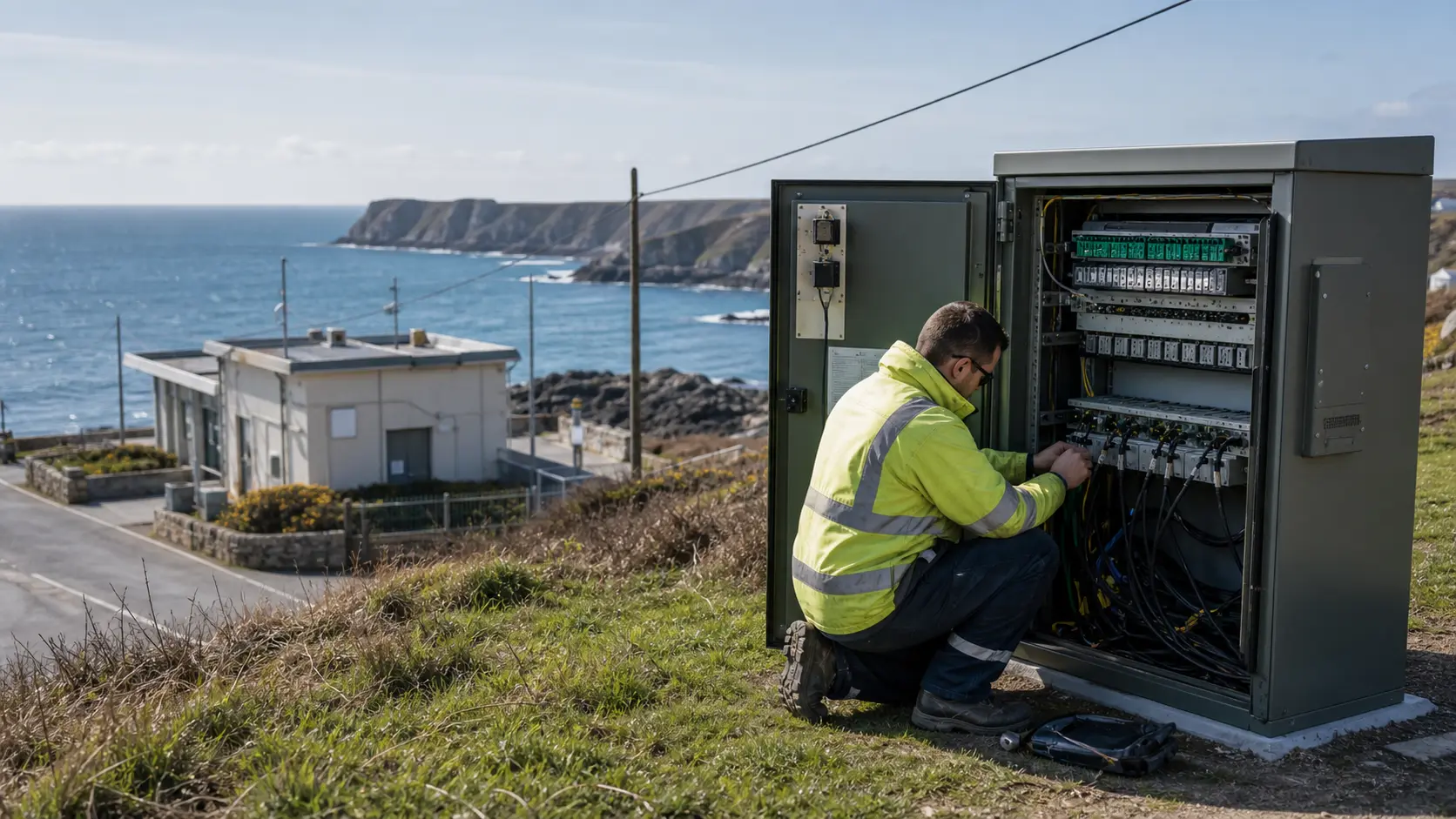
Sure Guernsey and the island outage bill
Sure Guernsey is best read as a small-market utility whose real product is not a headline broadband speed but restoration certainty. The public evidence points to a company with fixed and mobile licences, a publicly supported island-wide fibre rebuild, visible off-island…

Europe and Middle East Regional ISP
WightFibre and the island fibre cost model
WightFibre is a regional ISP whose market is unusually legible: one island, one local brand, a visible fibre build, a small business base, ferry-dependent logistics and a customer base that can punish service misses quickly. The public record suggests a company that has turned…

Europe and Middle East National Telecom
Wavenet and the economics of the one-contract SME stack
Wavenet has become a useful test of UK business-telecom consolidation. Its public record shows a company that can present itself as a single supplier for voice, connectivity, cloud, cyber security and managed service, while also carrying real network assets and a…

North America Regional ISP
Skyrunner and the mountain broadband bill national averages miss
Skyrunner is a regional broadband provider whose economics are easier to understand from a roofline than from a national broadband average. The company sells fiber and fixed wireless access across parts of North Carolina, South Carolina and Tennessee, with a public identity…

Europe and Middle East Regional ISP
SmartProvider and the Milan interconnection margin
SmartProvider is easiest to misread if it is treated as just another small Italian broadband name. The public record points to something narrower and more economically interesting: a Veneto-rooted SME digitalization and telecom-services provider whose credibility depends on the…
Africa Regional ISP
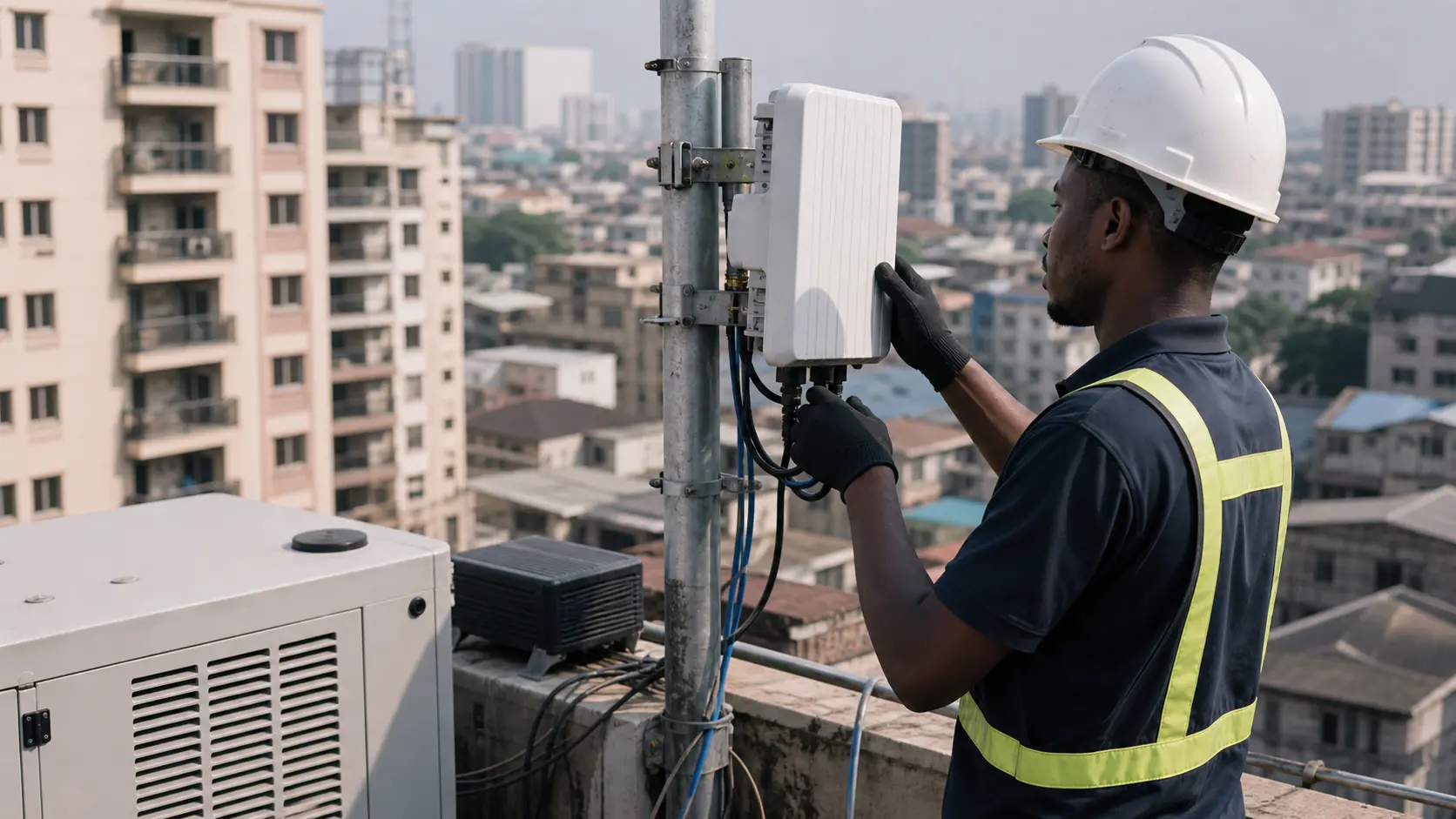
Spectranet and the prepaid cost of Nigerian fixed wireless
Spectranet and the prepaid cost of Nigerian fixed wireless intelligence summary explains the development, the public evidence available to readers, the organisations involved, the regional context, market exposure, and the infrastructure consequences that may follow. The Africa…
Europe and Middle East Regional ISP
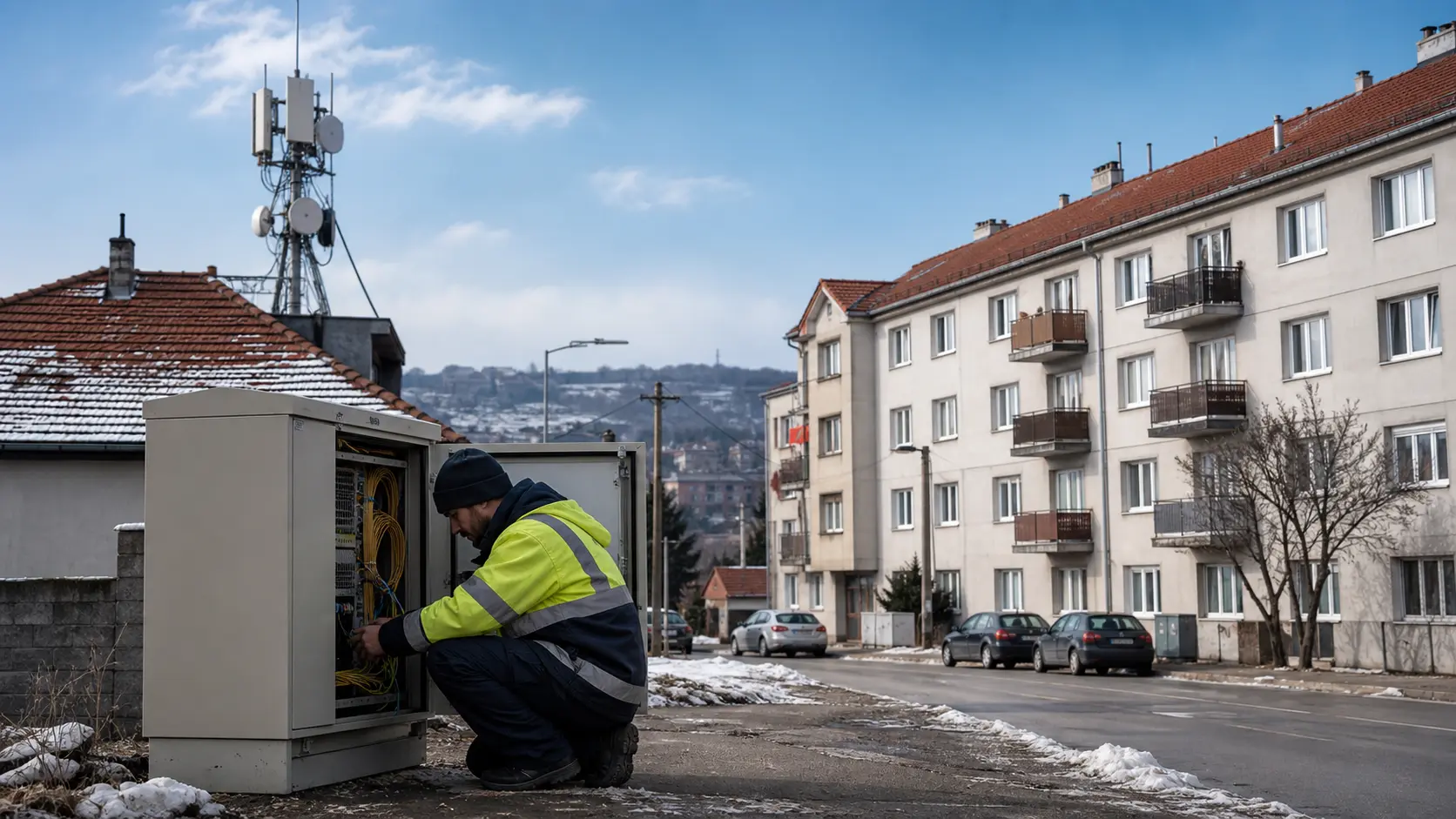
Slovanet/RadioLAN and the price of credible regional broadband in Slovakia
Slovanet/RadioLAN is a Slovak broadband consolidation story with a retail margin problem at its center. The company has a national business-service surface, a regional fixed-wireless inheritance from RadioLAN, fibre upgrade projects, and a customer base large enough to matter but…

Europe and Middle East Regional ISP
Smallworld Media Group and the customer memory left after UK cable consolidation
Smallworld Media Group is a useful economics case because the company no longer survives as a retail cable brand, yet its local customer promise still explains what large network owners buy when they absorb a regional cable system: not only coax, fibre, cabinets, subscribers and…

Africa Regional ISP
Societe Cajutel Guinee and the cost of Guinea's broadband frontier
Societe Cajutel Guinee sits at the hardest edge of the West African broadband story: demand is visible, the social need is obvious, and the investment proof is still thin. The company is interesting because its public record is not yet a mature retail-operator story. It is a…

Africa National Telecom
Somcable and the price of resilience from Berbera
Somcable LTD is not best understood as a simple bandwidth supplier. Its economic value sits in a harder question: whether a Somaliland cable landing, a terrestrial fibre distributor, a wholesale buyer and a retail user can trust the same chain when politics, recognition, route…

North America Regional ISP
SpringNet and the utility economics of local fiber
SpringNet is best read as a municipal-utility broadband case, not as a normal regional ISP with a city in its logo. Its advantage is the same thing that makes the model hard: public ownership, local crews, enterprise-grade service, fiber built out of utility logic and a revenue…
Latin America and Caribbean Regional ISP
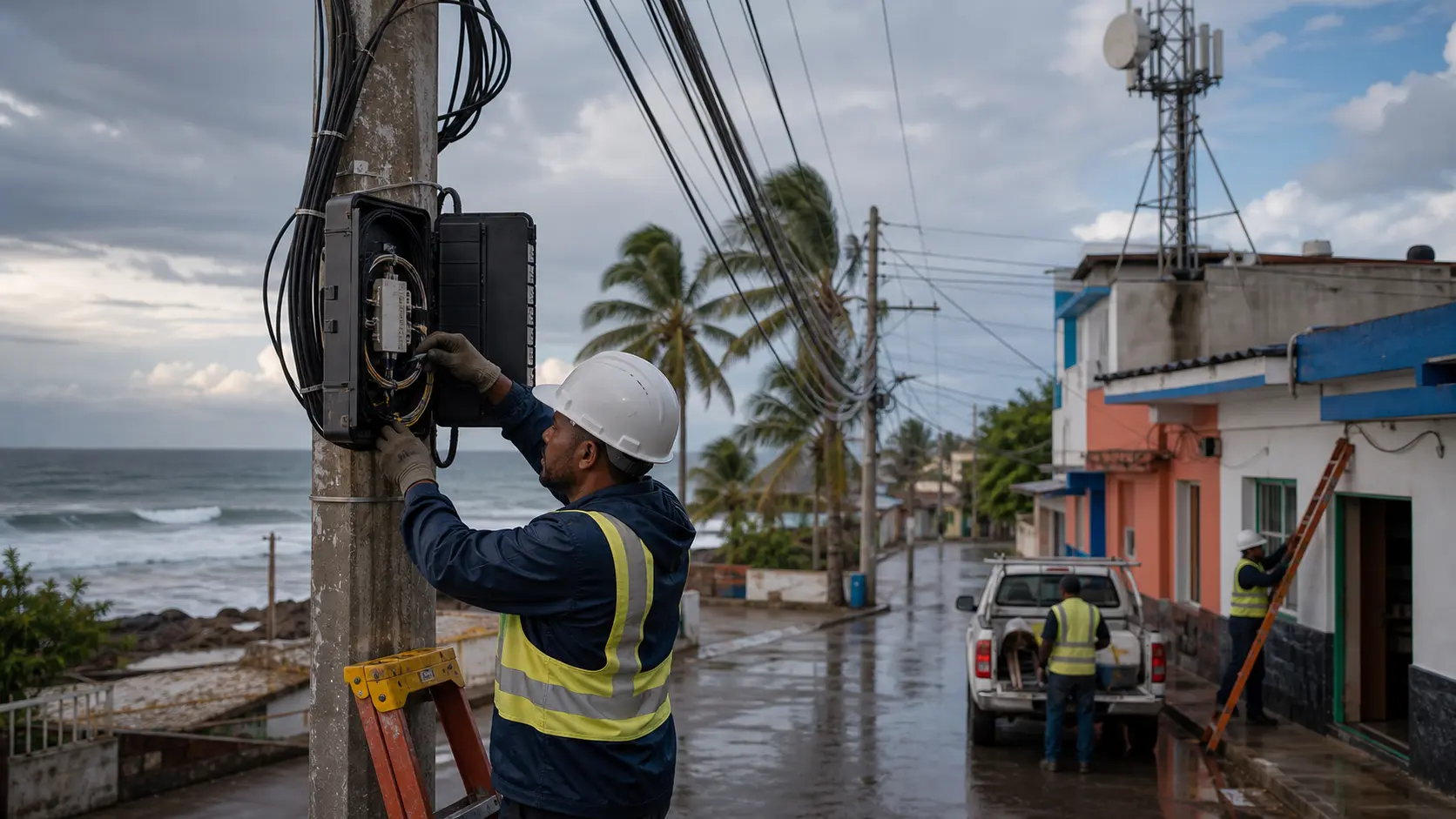
Telemarch and the island cost of being the local alternative
A Dominican local broadband provider can look small on a national map and still carry a hard economic question: what does it cost to sell reliable support, repair speed and credible bandwidth when the largest carriers, coastal weather and upstream dependence set the boundaries of…

Europe and Middle East National Telecom
TI Sparkle Greece and the price of invisible Mediterranean resilience
For banks, platforms and cloud buyers, TI Sparkle Greece is easiest to miss when everything works. Its economic importance appears when a payment, video stream or cross-border workload suddenly depends on Athens, Chania, submarine diversity and the bargaining power of a carrier…

Asia-Pacific National Telecom
Trans World Associates and the toll booth beneath Pakistan's broadband growth
Trans World Associates is where Pakistan's cheap data promise meets the hard economics of submarine cables, licensed international gateways, dollar-priced capacity and route diversity. Its strategic value is not that every consumer knows the name. It is that many operators…

Europe and Middle East Regional ISP
Voneus and the expensive promise of being first where fibre arrives late
For many rural households, broadband competition arrives first as a promise and only later as an installed service. Voneus is trying to turn that promise into a bankable rural fibre business, but its public accounts show why being first in hard-to-reach villages is costly before…

Europe and Middle East Regional ISP
The EUR 16 access line and the basement visit: WicitY's local ISP arithmetic
In Italy, fibre can be bought wholesale by the line and sold retail by the bundle. WicitY's problem is everything between those two numbers: the apartment riser, the FWA roof path, the shop router, the support call and the local memory that national offers do not price…

Asia-Pacific Institutional
Network for Learning and the public economics of school internet as a utility
Network for Learning shows why school connectivity is no longer a discretionary ICT purchase. In New Zealand, the internet connection, filtering layer, Wi-Fi estate, security stack and outage response have become part of the public education utility.

Asia-Pacific Regional ISP
Tornado Networks and the rupee price of a megabit built in dollars
Tornado Networks (Pvt.) Limited is a licensed wireless internet provider in Bahawalnagar, an agrarian district town in southern Punjab where the nearest submarine cable landing is a thousand kilometres away and the nearest dollar is further still. Everything the company needs to…