
Asia-Pacific Trends
Asia-Pacific Trends
Asia-Pacific market trend intelligence tracks cloud service, regional ISP, national telecom, data centre, and institutional infrastructure signals across Asia-Pacific internet infrastructure markets.

Latest Coverage
Latest from Asia-Pacific Trends
1,792 articles
Asia-Pacific Institutional
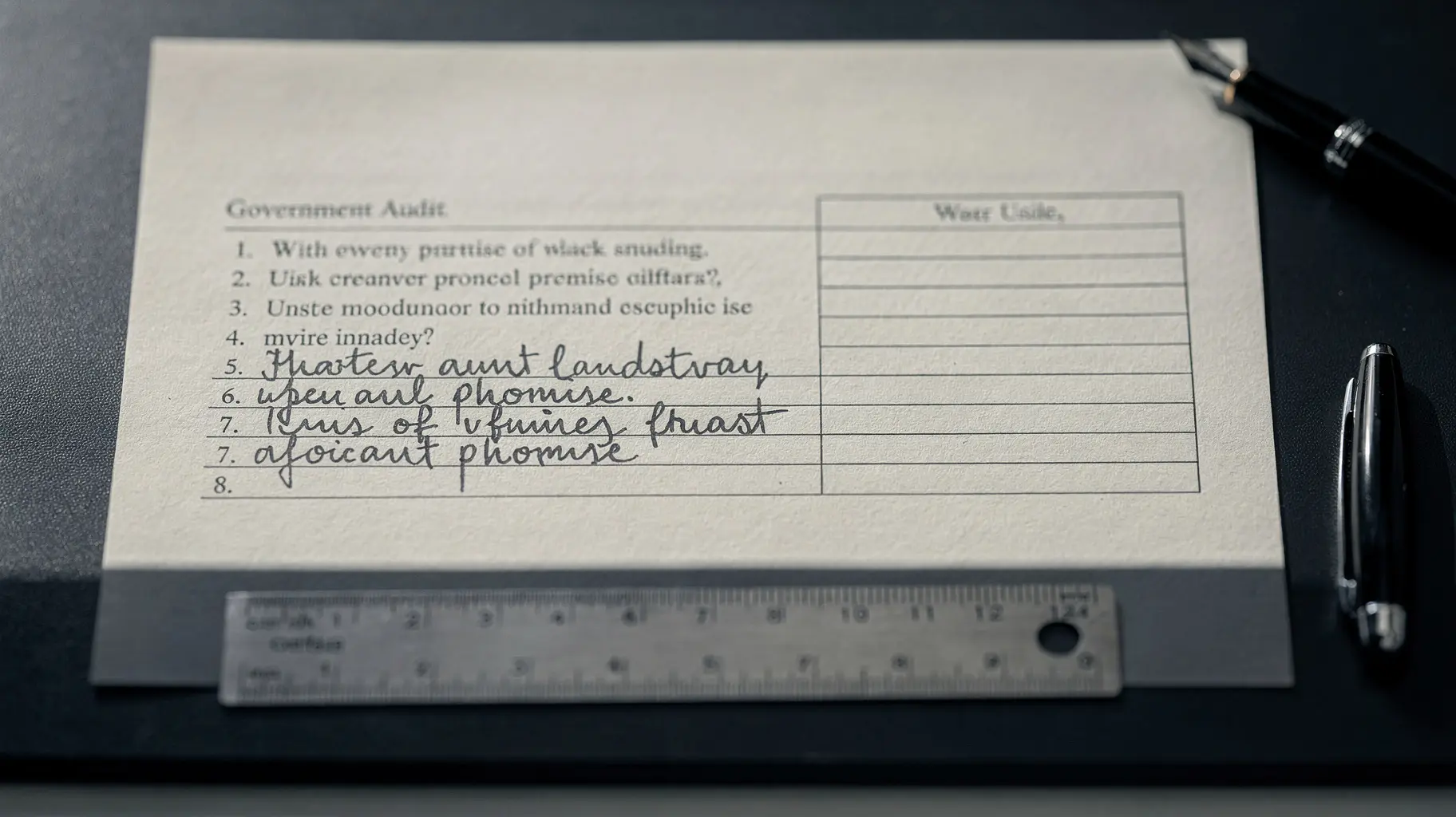
Thirteen Promises, One Blank Column
Thirteen numbered cyber recommendations went to the Australian Parliament on 19 March 2021, each with the audited body's answer written underneath it. The audit office that produced them has since built an instrument for testing whether an answer becomes action. For these…

Asia-Pacific National Telecom
SISCC prints five capacities and leaves the perimeter to a stranger
The Coral Sea Cable System has carried Solomon Islands traffic since February 2020, and its owner states its size as up to 20 Terabits/s for each country. That figure closes only when the reader supplies a fibre-pair perimeter no reviewed page prints. Across the same fibre pairs…

Asia-Pacific Institutional
InternetNZ prints 100% for four years and never the denominator
Four annual-report pages and one audited statement, signed on 16 July 2026, print .nz DNS, EPP and WHOIS availability against targets. The footnotes define the acronyms. Nothing in that page set says what was counted, over which window, or by whom — and the year that printed 100%…
Asia-Pacific National Telecom
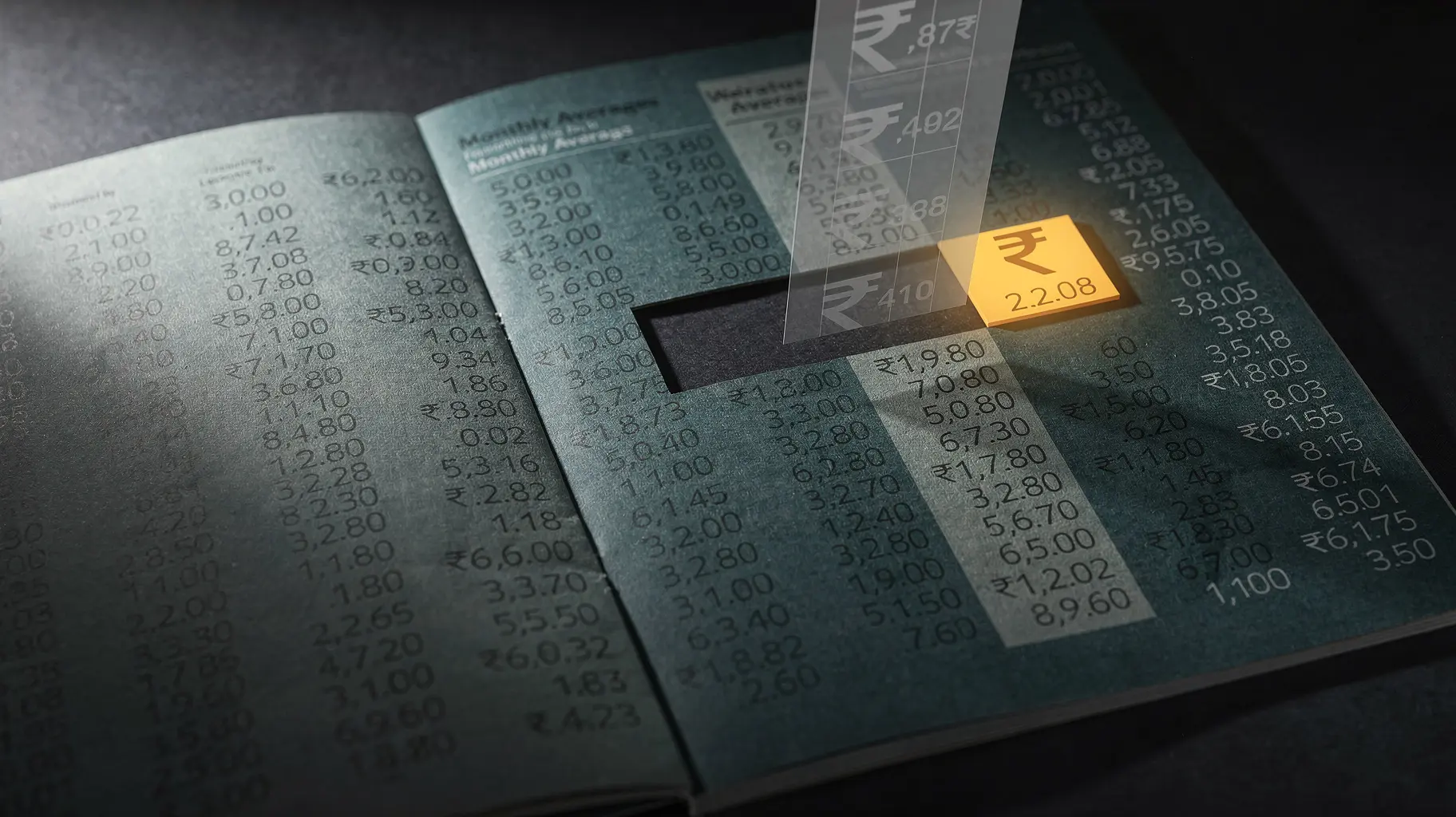
Airtel's Rs 271 Per User Rests on a Divisor the Pack Never Prints
Bharti Airtel Limited prints an India mobile ARPU of Rs 271 beside a customer count of 377,224 thousand. Divide the quarter's printed mobile revenue by that count and the quotient lands Rs 2.43 above the printed figure — because the count in the table is a date, and the count…
Asia-Pacific National Telecom
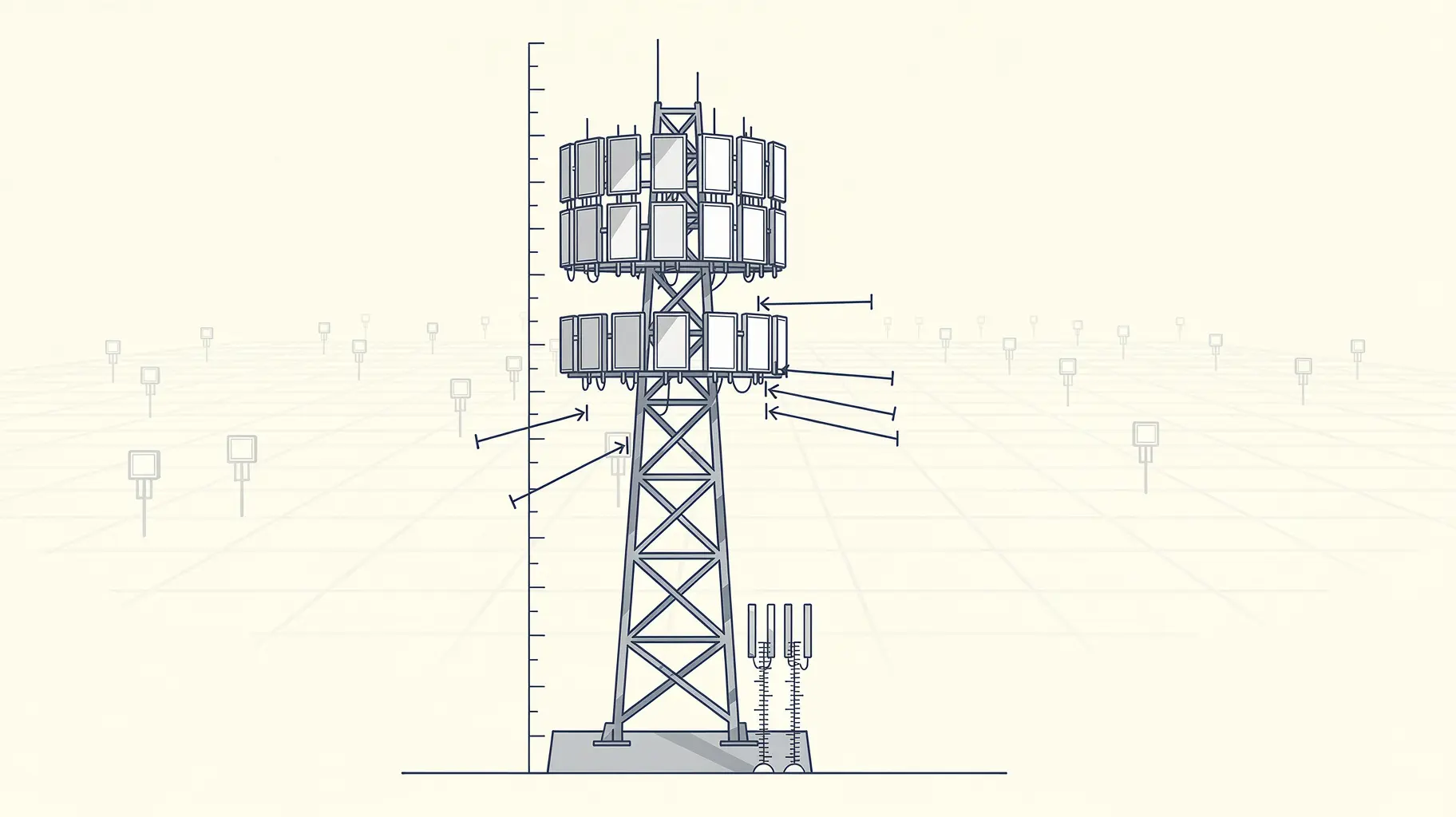
China Tower prints two tenancy ratios. Only one divides by a number it prints
China Tower counted 2.149 million tower sites and 3.856 million tenants at the end of 2025, and sells the pair as a single number: 1.79 tenants per site. The same table prints a second ratio, for the telecom operators alone. One of the two rebuilds from the integers printed…

Asia-Pacific National Telecom
NBN Co stopped printing the number that explained the other two
Two footnotes on the same page define both of its premises counts, and the column arithmetic closes exactly. What the October 2026 report no longer carries is the count of premises inside a declared ready-for-service area that still cannot order a service — printed at 60,000 in…

Asia-Pacific Institutional
NZIX publishes its whole rulebook and leaves the one date that counts to a sentence
The society that runs New Zealand's national internet exchange prints its legal name, its society number, its NZBN, its incorporation date and a registered office on its own website: five of the eight fields the incorporated societies register itself names. The three it leaves to…
Asia-Pacific Institutional
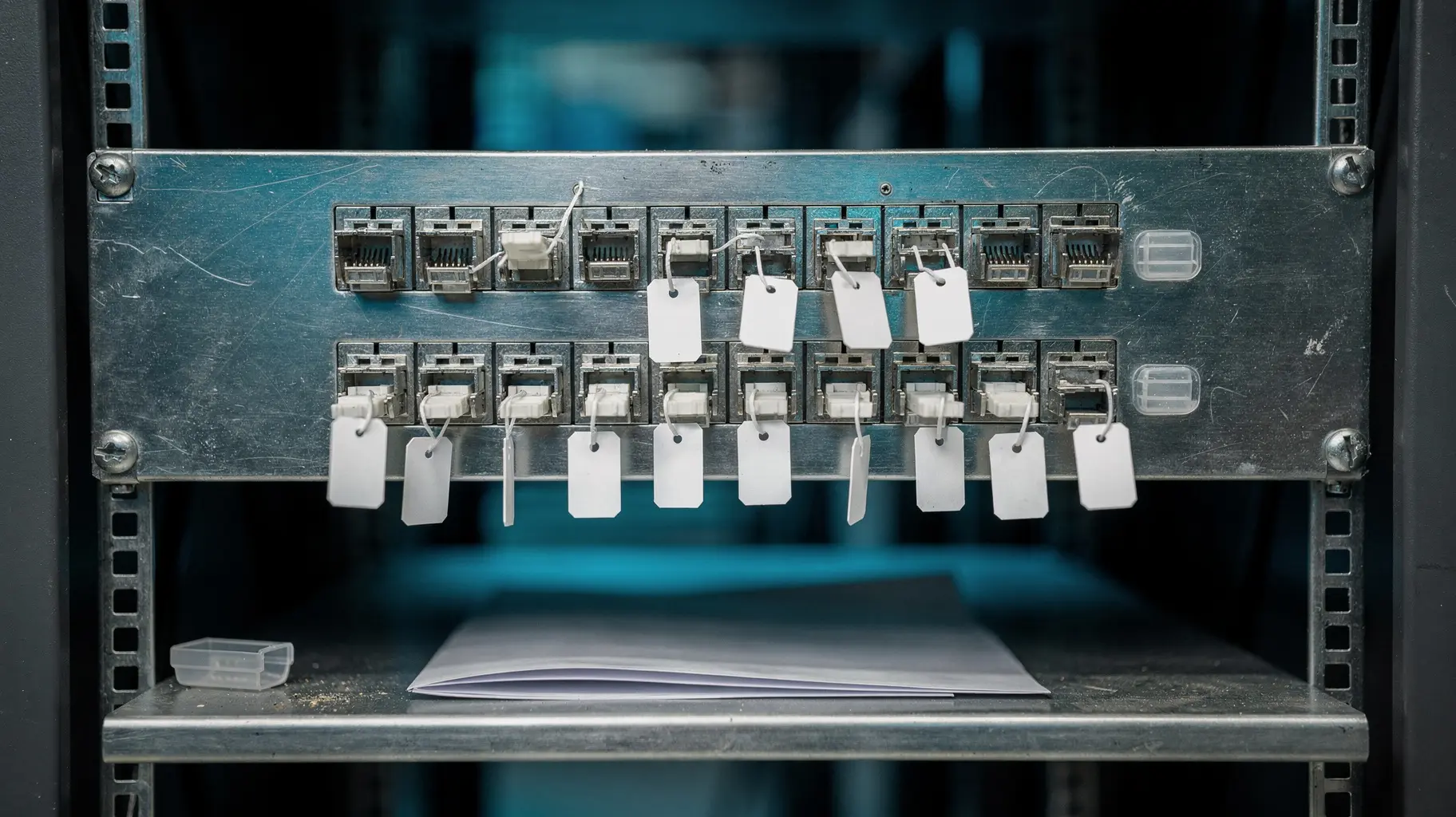
JPIX quotes a port in private; KDDI prints one
Eleven JPIX pages name the interfaces, the eleven sites and the exact order in which a buyer must fix them, and print no initial fee, no monthly fee, no period, no currency and no tax sentence. The only per-port amounts I could read for a JPIX port sit in a KDDI tariff for a…
Asia-Pacific Institutional
HKIX prices a port, admits an autonomous system, and counts a provider it never defines
Four documents on one Hong Kong site act on four different nouns, and nothing on hkix.net joins them up. The ledger closes on a label with no number after the equals sign.

Asia-Pacific National Telecom
Singtel's 56% cash jump came from AIS, not from its network
Singapore Telecommunications Limited — the group tracked here as [Singtel](https://btw.media/en/directory/singtel-3b0a55cefc0f3fd4) — filed its half-year results on 13 November 2026. Its two profit measures ended S$49 million apart. Its free cash flow rose 56%, and most of that…

Asia-Pacific National Telecom
PLDT Pays 60% of a Number It Builds Itself
One sentence carries two earnings figures and one cheque. Divide the same ₱94 by both and the payout percentage moves by almost eight points.
Asia-Pacific Institutional
Australia's ransom clock starts when the money leaves, not when the breach lands
A company that pays an extortionist in Australia has 72 hours to file a report with "the designated Commonwealth body". The public form for that duty says the report goes to "the Government". The statute's own default names two agencies, and the centre whose phone number everyone…

Asia-Pacific National Telecom
AsiaSat Printed the Fleet, the Dividend, and Two Commitment Totals That Cannot Both Be Right
A geostationary operator does not really sell capacity; it sells a schedule, and the schedule is only auditable where three printed quantities sit together. Asia Satellite Telecommunications Holdings Limited printed all three in its last audited year — and made the third one…
Asia-Pacific Datacenter Trends
AEMO's 67 GW of Data Centres Is a Grade, Not a Meter
The Australian Energy Market Operator published a forecast carrying 225 data-centre projects with 67 GW of combined capacity. In the same forecast it published its own finding that more than 40 per cent of data-centre projects since 2025 had dropped out or regressed in connection…

Asia-Pacific National Telecom
MEASAT Sold 15 Years on a Satellite Planned to Last 18
MEASAT Global Berhad tells the market how long a spacecraft should last only in the release it issues at launch, and discloses the term of the contract that pays for it only through its anchor customer's audited accounts. At 91.5° East the two clocks now point in opposite…

Asia-Pacific National Telecom
BSCCL prints 7,220 Gbps of capacity and not one rate
Bangladesh's submarine-cable licence names three capacities and makes the tariff a filed instrument: proposed maximum and minimum charges, approved in writing, before a megabit is sold. The operator's own annual report uses four other words for capacity, gives one cable's lit…

Asia-Pacific National Telecom
Singtel's 80% Payout Ratio Divides by a Profit Singtel Defines
A dividend rule is a ratio, and a ratio has a denominator. Singapore Telecommunications Limited prints two profit numbers for the same year — S$2,769 million on its own measure, S$5,606 million statutory — and computes its headline payout on the first. The 5.1 cents of value…
Asia-Pacific National Telecom
CelcomDigi's RM2.68 Billion Synergy Is Mostly Capex It Never Spent
A merger saving is normally a cost that stopped being paid. CelcomDigi's headline saving is an addition of two unlike things, and the larger of them is capital expenditure the group did not make — a quantity no income statement will ever show. The profit improvement that did…

Asia-Pacific National Telecom
Two Ledgers, One Shortfall: Chorus's $76 Million and Its $101 Million
Chorus's 2025 regulatory schedules subtract disclosed revenue from actual allowable revenue and print $76,329,000. The same company's market announcement, for the same year, says revenues ran $101 million below the maximum. Both numbers sit in the record. Nothing read on 19…

Asia-Pacific National Telecom
HKBN Reports a 4.2-Year Maturity. Its Loan Had Under Three Months to Run.
HKBN's finance costs fell 22 per cent to HK$553.1 million for the twelve months to 31 August 2026. Read the borrowings note and the saving splits in two: a margin the company negotiated down to HIBOR plus 0.40 per cent a year, and a base rate it stopped fixing on 24 November…