
Academics
Academics
Academics people intelligence profiles the leaders, operators, researchers, creators, investors, and policy actors shaping internet infrastructure strategy. The category connects interviews, public profiles, company links, role changes, governance exposure, affiliation context, and related articles so readers can follow decision-makers by operating role rather than by isolated article chronology.

Latest Coverage
Latest from Academics
21 articles

Academics
Mark Nottingham and the Working-Group Boundary Behind HTTP/3
The 2018 proposal did more than replace “HTTP-over-QUIC.” Mark Nottingham tied a clearer name to a quieter governance change: finish the transport group’s HTTP mapping, then let the group responsible for HTTP maintain it.

Academics
Colin Perkins: How Real-Time Media Learned to Share the Internet
Colin Perkins did not invent RTP, WebRTC or Internet congestion control. His more defensible contribution is also more revealing: over three decades, he helped develop the repair, feedback, signalling, safety and governance mechanisms that allow voice and video to remain useful…

Academics
Laurent Vanbever and the network that must be tested while it changes
Laurent Vanbever’s work treats network configuration as executable software whose failures can emerge before, during or after deployment. From safe routing migrations and configuration synthesis to runtime BGP detection and energy-aware operations, his research at ETH Zurich asks…
Academics
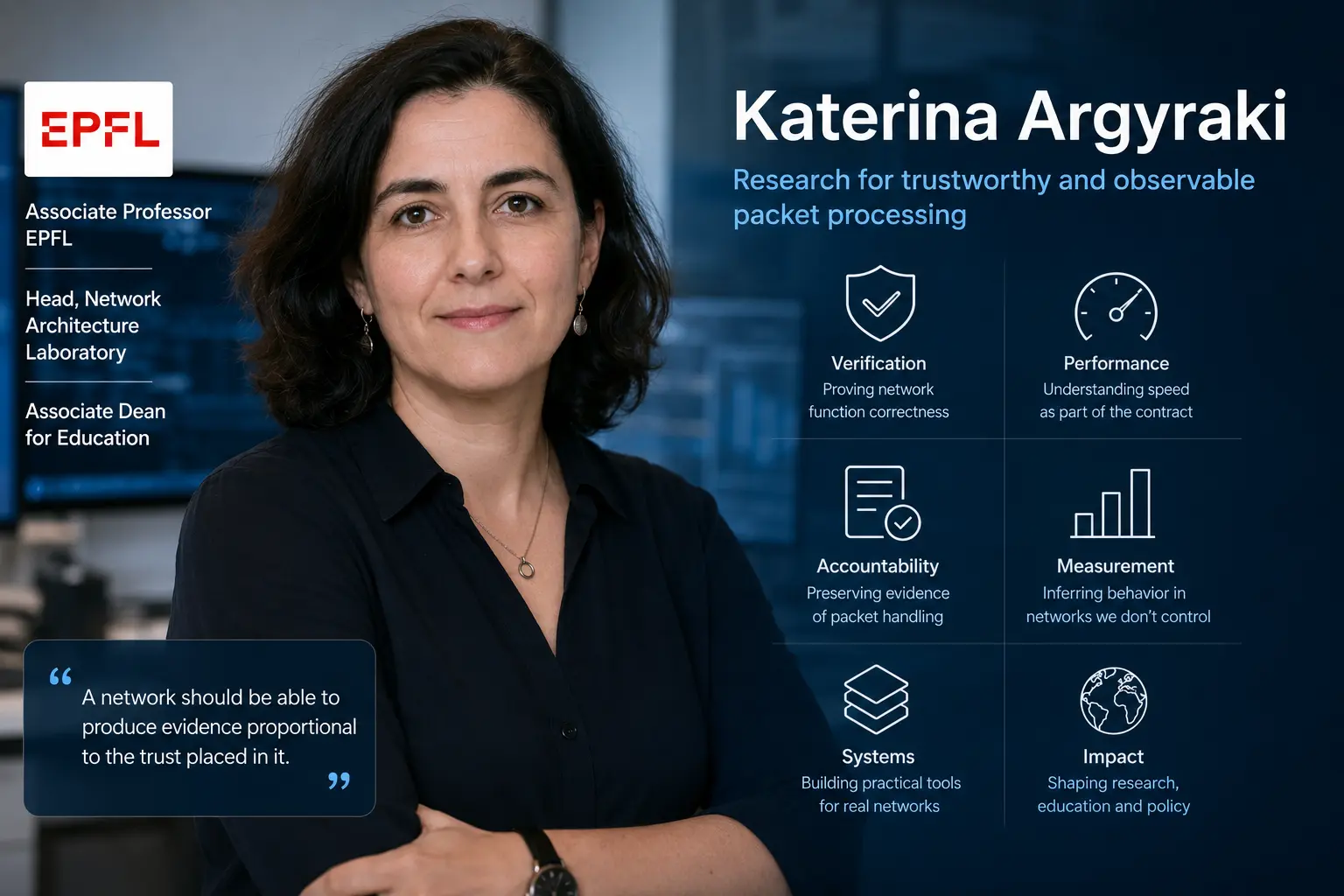
Katerina Argyraki and the search for proof in packet forwarding
Katerina Argyraki’s research follows a problem that becomes harder as networks become more programmable: a packet-processing system may be fast and flexible, yet operators and users often have little evidence that it behaved correctly. Her work at EPFL connects software-router…

Academics
Kathleen Nichols and the queue delay a fast link cannot hide
Kathleen Nichols’ best-known work changed the variable used to judge a network queue: time, rather than packet count. CoDel made persistent waiting measurable, while leaving deployment dependent on bottleneck placement, responsive senders and maintained implementations.

Academics
Sally Floyd made congestion control accountable to evidence
Sally Floyd linked router queues, transport feedback, traffic models and standards into a discipline of shared-network responsibility. Her legacy lies less in one celebrated algorithm than in a method for testing throughput, delay, fairness, stability and deployment assumptions…

Academics
Every network metric needs a failure model
Nick Feamster’s work made configuration, broadband and censorship measurable. A metric becomes operational evidence only when it states how it can be wrong.
Academics
Network tools need reproducible limits
A useful checker can reveal hidden configuration faults. Its result remains trustworthy only when others can reproduce its scope and misses.
Academics
Network observation is not causation
Nick Feamster’s tools made hidden faults visible across routing, spam, broadband and censorship. Measurement still needs a causal boundary.

Academics
Nick Feamster: making networks explain themselves, and exposing the limits of measurement
In 2005, a checker he co-developed reported over 1,000 previously undetected faults in 17 autonomous systems. Since then, his effort to make hidden infrastructure explainable has extended to spam, broadband, censorship, smart homes, and machine learning, repeatedly showing that…

Academics
Nick Feamster Created Tools to Explain Networks — and Exposed Their Limits
In 2005, a co-authored verifier reported over 1,000 previously undetected faults in 17 autonomous systems. The same effort to make hidden infrastructure legible later extended to spam, broadband, censorship, connected homes, and machine learning — and repeatedly showed that an…

Academics
Nick Feamster built tools to explain networks and showed their limits
In 2005, a checking tool he co‑authored reported over 1,000 previously undetected faults from the configurations of 17 autonomous systems. The same effort to make invisible infrastructure legible later extended to spam, broadband, censorship, smart homes, and machine learning…
Academics
Nick Feamster designed tools to explain networks – and revealed their limits
In 2005, a tool he co-wrote flagged over 1,000 previously undetected faults in the configurations of 17 autonomous systems. The same drive to make hidden infrastructure legible was later applied to spam, broadband, censorship, connected homes and machine learning – while showing…
Academics
Nick Feamster created tools to explain networks and revealed their limits
In 2005, a checker he co-authored detected over 1,000 previously unidentified faults in configurations of 17 autonomous systems. The same effort to make hidden infrastructure legible later extended to spam, broadband, censorship, connected homes and machine learning, repeatedly…

Academics
Nick Feamster built tools that explain networks – and show their limits
In 2005, a checker he co-developed reported more than 1,000 previously undetected faults across configurations from 17 autonomous systems. The same effort to make hidden infrastructure readable later expanded to spam, broadband, censorship, smart homes and machine learning – and…

Academics
Nick Feamster Built Tools to Explain Networks and Reveal Their Limits
In 2005, an audit tool he co-authored reported over a thousand previously undetected faults in the configurations of 17 autonomous systems. The same quest to make hidden infrastructure understandable later extended to spam, broadband, censorship, smart homes, and machine…
Academics
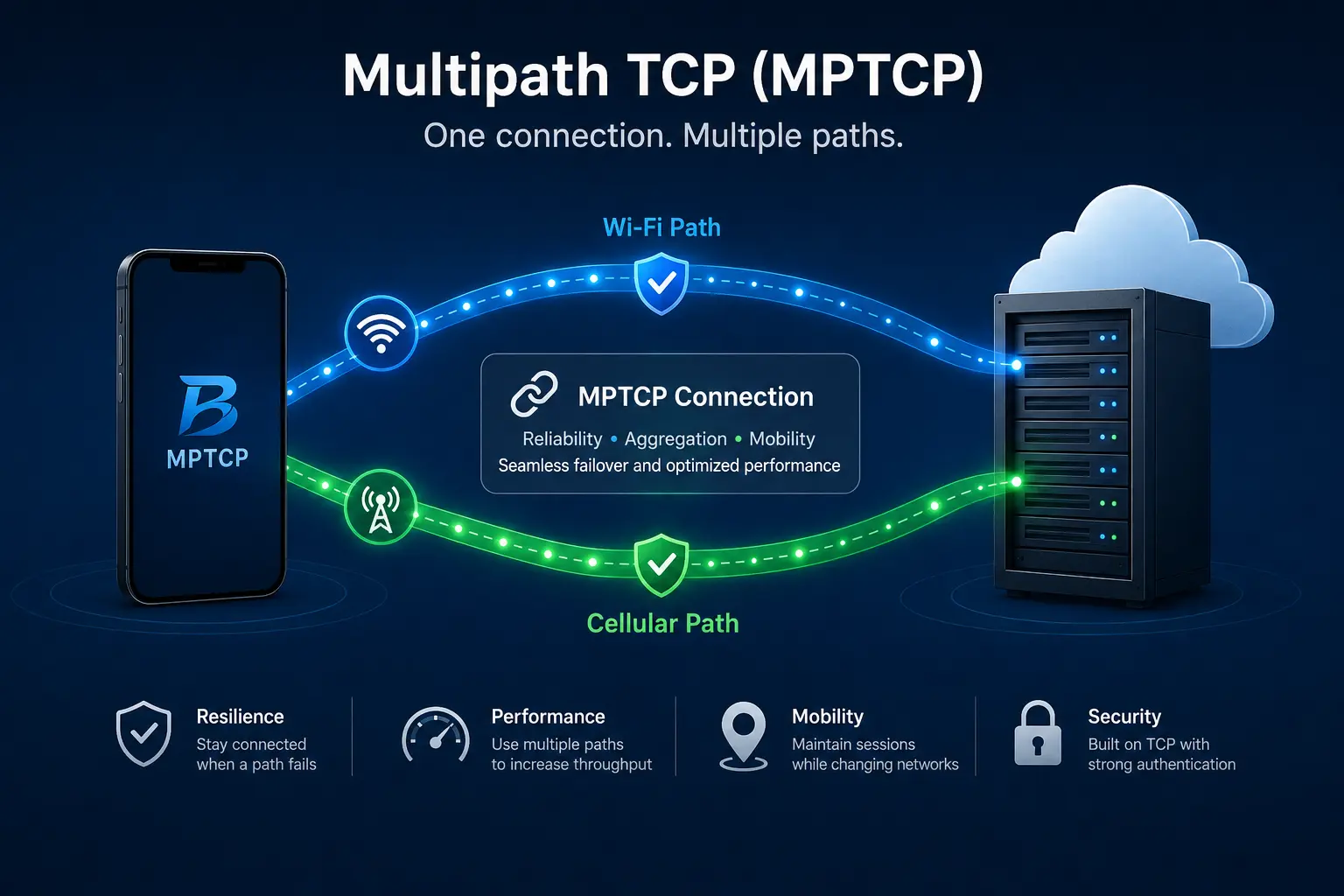
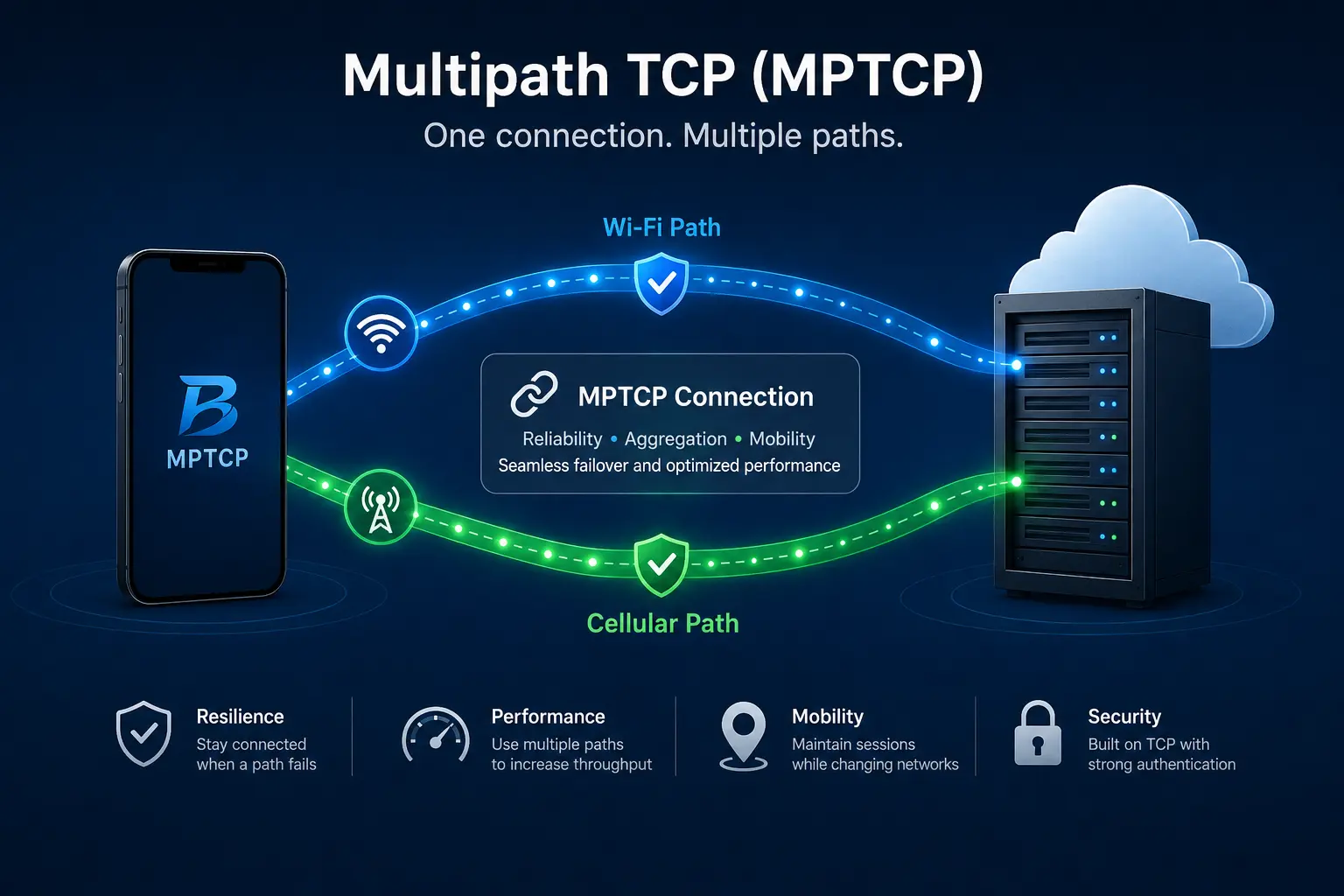
Olivier Bonaventure: From MPTCP Research to Practical Deployment
Olivier Bonaventure neither invented Multipath TCP alone nor wrote every implementation, nor does he control the companies or network operators that deploy the protocol. His significance lies in building an institutional chain that links research, standards, software, adoption…
Academics
Olivier Bonaventure and the long road to making one connection survive across multiple networks
Olivier Bonaventure was not the sole inventor of Multipath TCP, did not write all its implementations, and does not control the companies and operators that use it. His significance lies in helping build an institutional path that links research with standards, software…
Academics
Kenneth Atchinson and the CyberForce Critical-Infrastructure Education Record
Kenneth Atchinson's record at Baldwin Wallace University connects long-running network and cybersecurity teaching with competition-based exercises that ask students to operate and defend simulated business and energy systems under pressure.
Academics
Kanchana Kanchanasut and the Work of Making Connectivity Last
From AIT's early X.25 and UUCP experiments to `.th` stewardship, regional operator training, neutral interconnection and community mesh networks, Kanchana Kanchanasut's record shows how a fragile technical link can become an institution that outlasts its first operators.