
Asia-Pacific Institutional
Asia-Pacific Institutional
Institutional company intelligence covers institutions, policy actors, standard bodies, registries, alliances, and public-interest organisations shaping internet infrastructure markets in Asia-Pacific, with enough context for readers to understand how these organisations build, operate, finance, regulate, and sell the infrastructure that supports digital markets.

Latest Coverage
Latest from Asia-Pacific Institutional
109 articles

Asia-Pacific Institutional
The Philippine Open Internet Exchange: Policy First, Peering Second
A government science institute has operated the Philippines' flagship neutral internet exchange since 2007, and a 2013 administrative order pushed state traffic through it. The September 2026 membership snapshot shows what that combination actually built — and where the model…

Asia-Pacific Institutional
TrueMoney's Scale Claims, Audited Against Its Own Paperwork
The TrueMoney wallet is the consumer face of Ascend Money, the fintech owned by Thailand's CP Group, and the directory entity Truemoney Company PLC is the card that tracks it. Previous reporting, including BTW's own account of the virtual-bank approval path published 30 September…

Asia-Pacific Institutional
The Small Autonomous System: FPT Software and What AS131402 Actually Does
The Small Autonomous System: FPT Software and What AS131402 Actually Does intelligence summary explains the development, the public evidence available to readers, the organisations involved, the regional context, market exposure, and the infrastructure consequences that may…

Asia-Pacific Institutional
TrueMoney's Banking Entry Is Still Conditional, Not Effective
Approval by Thailand's Finance Ministry on 19 June 2025 put the virtual-bank vehicle of TrueMoney's parent, Ascend Money, one step along a gated path. It did not produce a bank. The path still runs through incorporation as a public limited company, a Bank of Thailand readiness…

Asia-Pacific Institutional
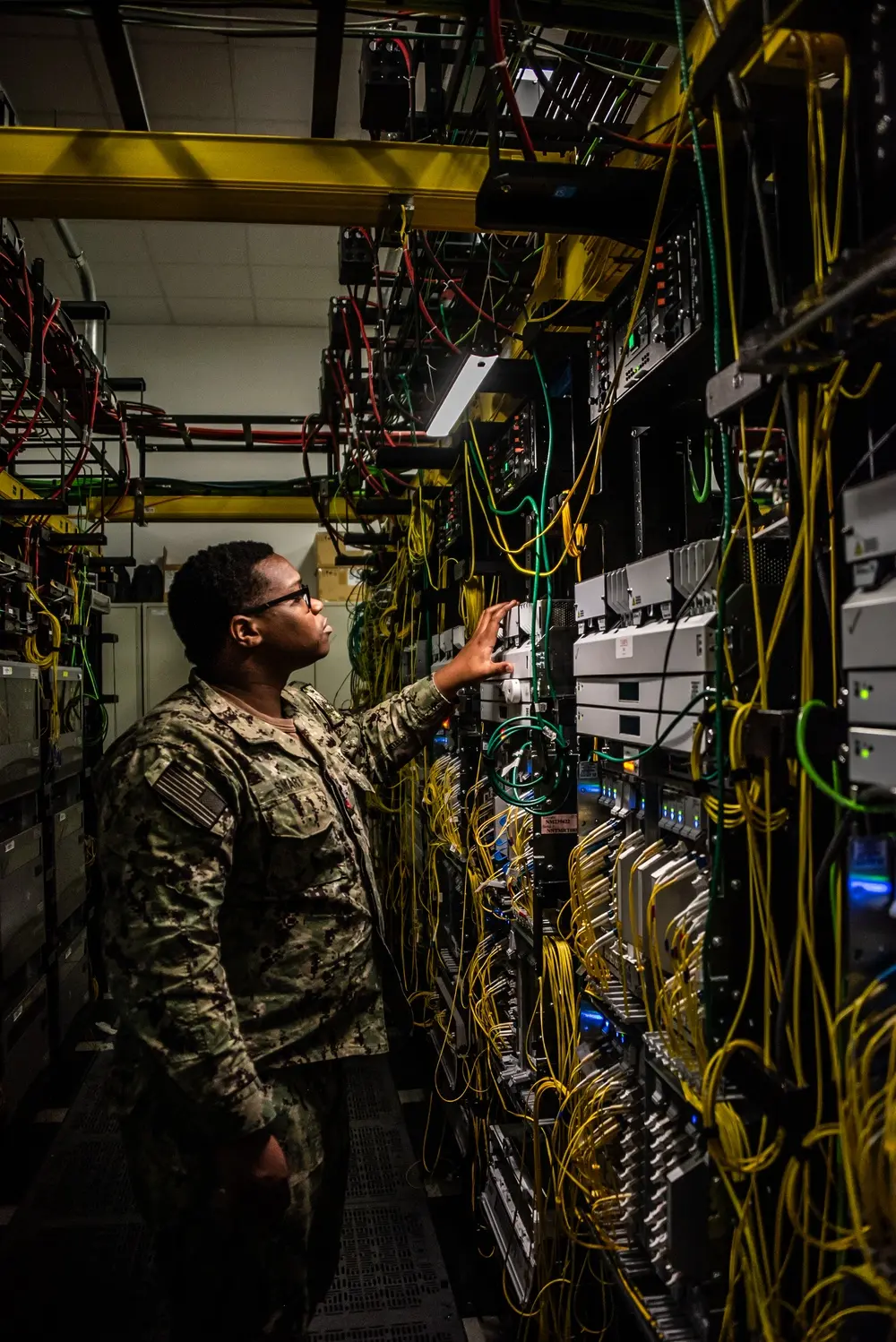
Thanh Huyen Technology Company Limited and AS142549 show why a quiet ASN record still matters
Thanh Huyen Technology Company Limited and AS142549 show why a quiet ASN record still matters intelligence summary explains the development, the public evidence available to readers, the organisations involved, the regional context, market exposure, and the infrastructure…
Asia-Pacific Institutional
3 Net Technology and AS141446 show a company name on a quiet APNIC-numbered record
3 Net Technology and AS141446 show a company name on a quiet APNIC-numbered record intelligence summary explains the development, the public evidence available to readers, the organisations involved, the regional context, market exposure, and the infrastructure consequences that…

Asia-Pacific Institutional
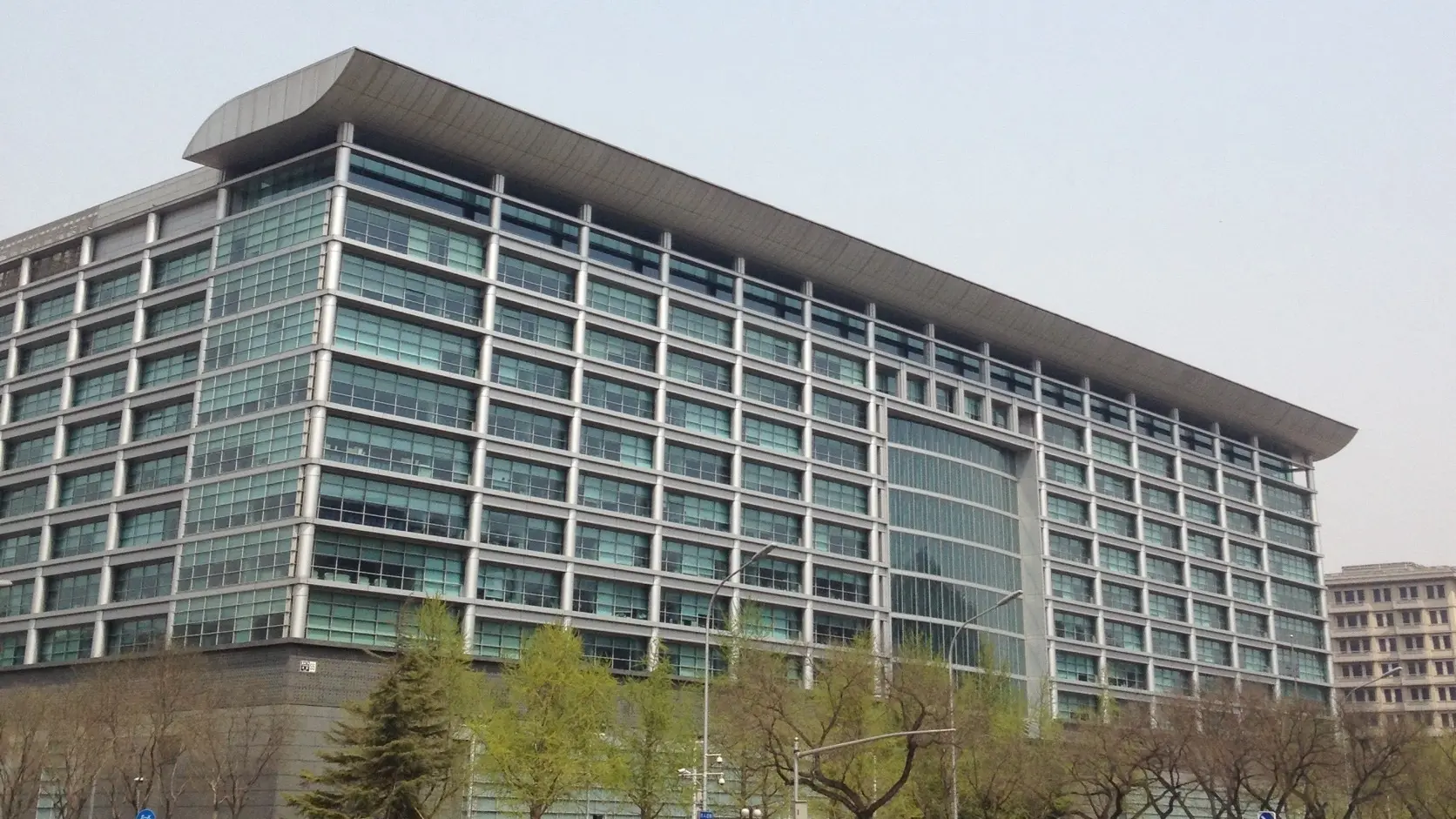
1033 Network Information and AS131631 show an announced APNIC routing record
1033 Network Information and AS131631 show an announced APNIC routing record intelligence summary explains the development, the public evidence available to readers, the organisations involved, the regional context, market exposure, and the infrastructure consequences that may…
Asia-Pacific Institutional
Industrial and Commercial Bank of China's .icbc Control Plane: DNS Traffic, RDAP, and the Cost of Operating a Brand Registry
Public delegation, contract, DNSSEC, RDAP, monthly reporting, and company records show why even a one-domain brand registry carries recurring control and continuity costs.

Asia-Pacific Institutional
Beijing RITT-Net and the .手机 Registry Control Plane: DNSSEC, RDAP, and Continuity Costs
Public delegation, contract, DNSSEC, RDAP, and operator records show how the `.手机` registry depends on precise state, reliable interfaces, and recoverable operational control.

Asia-Pacific Institutional
OP3FT China's Frogans Address Control Surface: Registry, Resolution, Governance, and Continuity Costs
OP3FT China is a Beijing company and the local Chinese branch of the nonprofit standards organization behind Frogans technology. Its public role reaches beyond promotion. The company may participate, under OP3FT control, in technical specifications, software implementations, and…

Asia-Pacific Institutional
eNIC's .cc Registry Control Surface: Delegation, DNSSEC, RDAP, and Continuity Costs
eNIC Cocos (Keeling) Islands Pty. Ltd. d/b/a Island Internet Services is the company named by IANA as the current manager of the .cc country-code top-level domain. That public role creates a compact but consequential technology control surface: root-zone delegation data…

Asia-Pacific Institutional
IBC Digital and AS10078: Hosting, DNS, Connectivity, and Operational Continuity Costs
Public registry, routing, DNS, hosting, maintenance, and contractual records expose a real operating surface while leaving private architecture, longitudinal reliability, and customer production outcomes subject to separate evidence.

Asia-Pacific Institutional
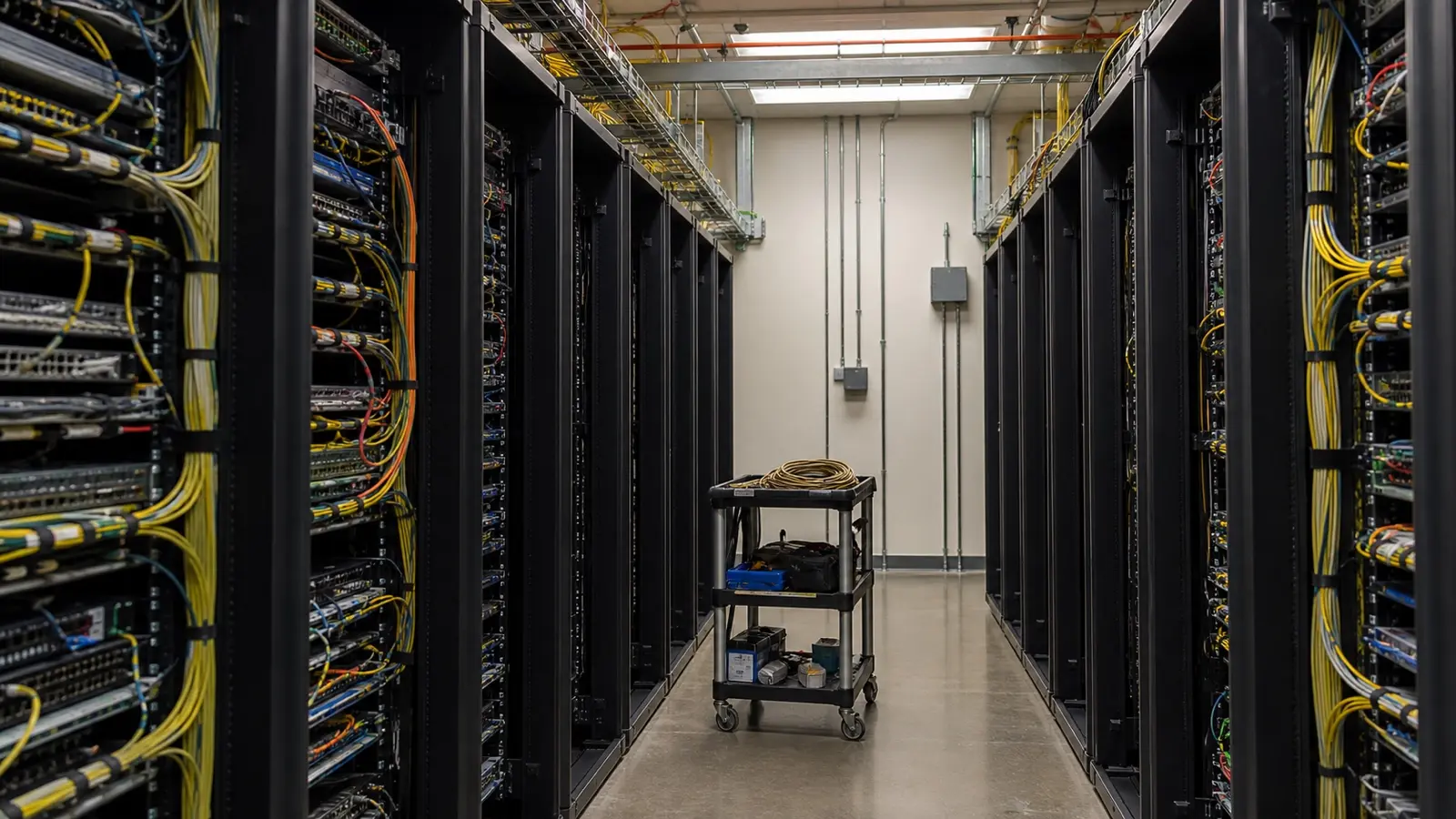
Function4 and AS153748: Connectivity, RPKI Gaps, and Business Continuity Costs
Function4 and AS153748: Connectivity, RPKI Gaps, and Business Continuity Costs intelligence summary explains the development, the public evidence available to readers, the organisations involved, the regional context, market exposure, and the infrastructure consequences that may…
Asia-Pacific Institutional
Alphawest Services and the Hidden Cost of Enterprise Network Continuity
Alphawest Services Pty Ltd is a useful case study in what happens when a network integrator becomes part of a telecommunications carrier. Public records connect the company to network consulting, integration, outsourcing, managed-service administration, a private-cloud catalogue…

Asia-Pacific Institutional
MobiCom Corporation's Network Control Surface: ASN/IP Registry Records, Mobile Connectivity, and Continuity Costs
MobiCom Corporation can be studied as more than a mobile-service brand. Its public record exposes several distinct control surfaces: an autonomous-system registration, observed route announcements, operator-maintained interconnection data, telecommunications licences, modelled…

Asia-Pacific Institutional
Shangri-La International Hotel Management Limited's Dual Brand-TLD Control Surface: .SHANGRILA, IDN Delegation, DNS Continuity, and Failure Costs
Shangri-La International Hotel Management Limited is accountable for two delegated brand top-level domains: `.shangrila` and a Chinese-script internationalized top-level domain represented in the Domain Name System by the A-label `xn--5su34j936bgsg`. Their public records expose a…

Asia-Pacific Institutional
PCCW Enterprises Limited's Dual Brand-TLD Control Surface: IDN Delegation, DNS Continuity, and Failure Costs
PCCW Enterprises Limited is publicly recorded as the registry operator for two related brand top-level domains: `.pccw` and the Chinese internationalized domain represented in the Domain Name System as `xn--fzys8d69uvgm`. Those strings look like compact corporate identifiers, but…

Asia-Pacific Institutional
Guangzhou YU Wei's IDN Registry Control Surface: DNS Delegation, Reliability, and Continuity Costs
Guangzhou YU Wei Information Technology Co., Ltd. occupies a specialized position in the internet's naming system. Public records identify the company as the sponsoring organization for three internationalized generic top-level domains: `.广东` (Guangdong), `.佛山` (Foshan), and…

Asia-Pacific Institutional
NewMountainView Satellite Corporation's Routing Control Surface: ASN Records, Peering Edges, and Continuity Costs
NewMountainView Satellite Corporation's Routing Control Surface: ASN Records, Peering Edges, and Continuity Costs intelligence summary explains the development, the public evidence available to readers, the organisations involved, the regional context, market exposure, and the…
Asia-Pacific Institutional
Reliance Industries' DNS and Telecom Control Surface: Brand TLD Delegation, Jio Network Continuity, and Failure Costs
Reliance Industries Limited appears in public internet records as the sponsoring organisation for the .jio, .reliance, and .ril top-level domains. Its controlled group also operates Jio's large mobile, fixed-broadband, fiber, fixed-wireless, and enterprise-connectivity services.…