
APRICOT plus major regional and national operator groups.
Governance / NOGs
NOGS
Network Operator Group (NOGs) governance intelligence tracks institutions, policy processes, standards activity, registry operations, accountability disputes, and implementation signals that affect internet infrastructure. BTW.
Operator CommunitiesImplementation SignalsCross-Region Comparison

Execution governance and practical operations intelligence.
Routing, peering, resilience, and operational standards in practice.
Institution profile mapped to deployable decision implications.
Latest Coverage
Latest from NOGS
173 articles

BDNOG
bdNOG22 names 15 fellows, but leaves its applicant pool unseen
The Bangladesh Network Operators Group has published the 2026 fellowship roster and support terms. The public record identifies recipients, but not the size of the applicant pool or whether they attended.

LACNOG
LACNIC 46 Shows Two Numbers. It Does Not Explain the Gap
During LACNIC 46–LACNOG 2026, the event system published 1,215 registered entities and a separate attendees view totalling 706. The page gives neither a definition for “attendees” nor a visible data-as-of time, so the difference cannot responsibly be called an attendance rate.
SANOG
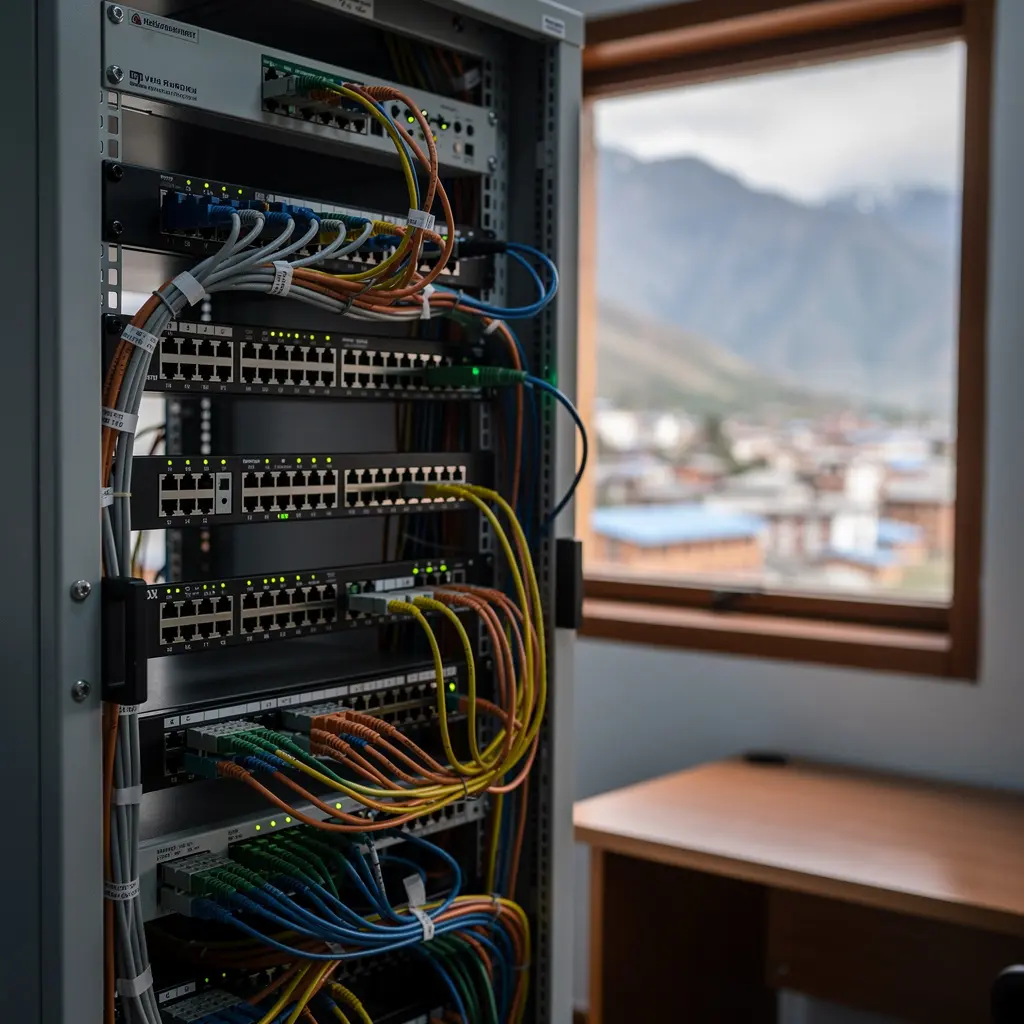
Bhutan Internet Exchange: membership, peering and the resource footprint behind national interconnection
Bhutan Internet Exchange: membership, peering and the resource footprint behind national interconnection intelligence summary explains the development, the public evidence available to readers, the organisations involved, the regional context, market exposure, and the…
NANOG
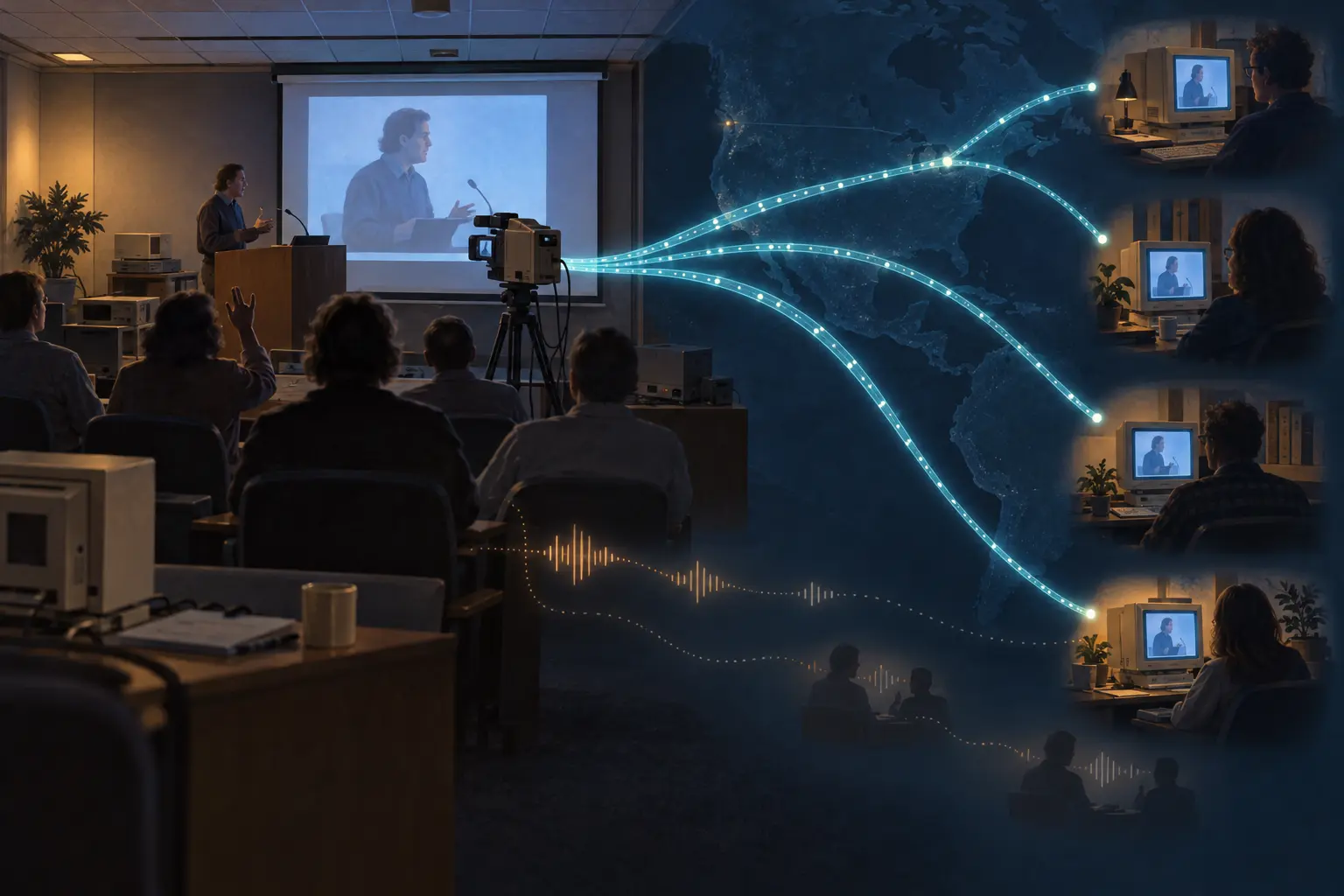
Packets Reached CERN; Many Questions Did Not: NANOG 1 and the MBONE, 1994
In June 1994, organizers planned to multicast NANOG’s Ann Arbor meeting over the MBONE. The archive preserves three different kinds of evidence: one person could not find the session, another asked for a steadier view of the screen, and a listener at CERN reported no packet loss…
NANOG
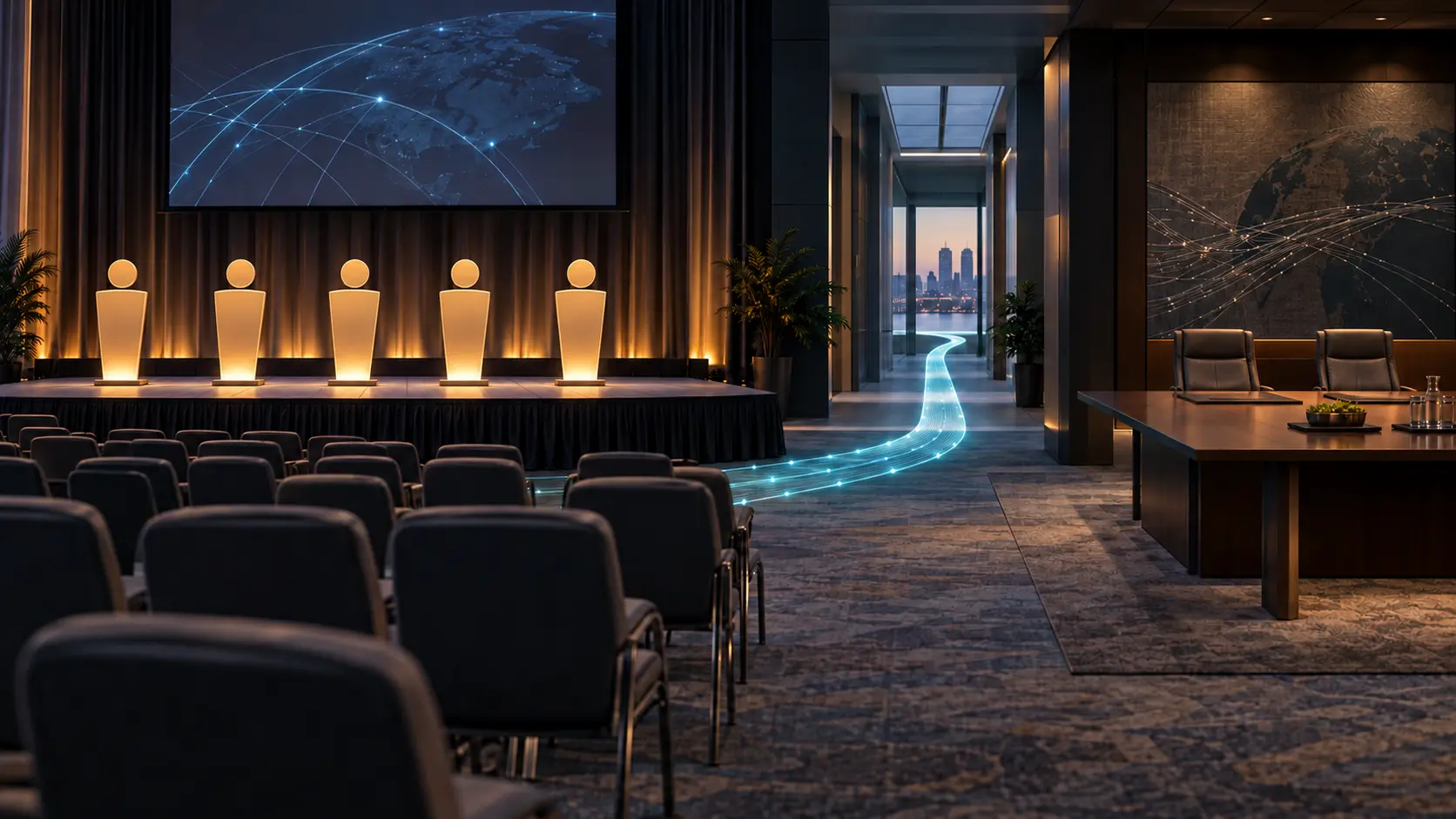
Five Candidates, Two Seats: NANOG’s Ballot Outlasts Its Meeting
NANOG’s 2026 Board contest puts five candidates before members for two staggered seats. Candidate presentations are scheduled during NANOG 98 in Miami, but voting opens on the same date and stays open after the meeting ends: the published window runs from 20 through 26 October…

APRICOT
APNOG Put Its Board on a March Clock. The Handover Is the Test.
APNOG says its Board terms will run from March to March, rather than exactly with the annual general meeting. The stated purpose is practical: give outgoing and incoming directors time to hand over work and let new directors apply for an Australian director ID before appointment.

NANOG
NANOG Kept the Door Open: The Membership Roll as the Corporation's Control Surface
NewNOG, Inc.'s bylaws place the corporation's property, affairs and business under its Board of Directors, and they elect directors through an open nomination and election process from a membership whose joining bar was deliberately kept low. NANOG's own members' meeting record…

NANOG
The Mailing List Is an Operations Room, Not a Legislature
NANOG's mailing list is valuable because operators can expose a fault, compare evidence and correct a diagnosis in public. That practical authority should not be confused with permission to speak for networks whose operators did not join the thread.

AFNOG
AfNOG’s Partial-Input Invitation Opens the Door Without Mapping the Process
AfNOG’s 2007 call welcomed suggestions and expressions of interest even without all requested proposal information, but the cited page did not explain beside that invitation how these inputs related to a complete proposal.

AFNOG
AfNOG’s Presenter-Cost Rule Waives Registration but Leaves Travel Support Unspecified
AfNOG’s 2007 call said presenters and tutorial instructors were expected to cover travel while being exempt from registration fees, but the cited page did not say beside that rule whether a travel-support exception route existed.

AFNOG
AfNOG’s Reproduction-Permission Request Leaves the Licence Boundary Unstated
AfNOG’s 2007 call asked for permission to reproduce the contributor’s presentation after the event, including permission to post it on the AfNOG website. That sentence names two requested acts, but it does not state how long the permission would last, where it would apply…

AFNOG
AfNOG’s Affiliation Field Names an Institution Without Defining the Relationship
AfNOG’s 2007 call requested a contributor’s affiliation without defining what relationship that label represented.

AFNOG
AfNOG’s Direct-Contact Field Lists Reachability Without Stating Its Handling Boundary
AfNOG’s 2007 call requested four published contact points without publishing an adjacent purpose, access or retention notice.

AFNOG
AfNOG’s Requested-Time Field Leaves Its Relation to Programme Planning Unexplained
AfNOG’s 2007 call asked contributors how much time they wanted without explaining how that request would relate to programme planning.

AFNOG
AfNOG’s Proposal-Type Field Names Formats Without Defining Their Evidence
AfNOG’s 2007 call named three proposal formats without publishing format-specific evidence fields.

AFNOG
AfNOG’s 200-Word Abstract Cap Leaves the Required Signal Unspecified
AfNOG’s 2007 call capped abstracts at 200 words without stating what those words had to establish.

AFNOG
AfNOG’s Optional Hands-On Tutorial Format Leaves Resource Needs Unstated
AfNOG’s 2007 call allowed hands-on tutorial components but did not publish their resource needs.

AFNOG
AfNOG’s ‘Soon-to-Be-Deployed’ Tutorial Scope Leaves Readiness Undefined
AfNOG’s 2007 call described advanced training on technology soon to be deployed without defining readiness.

AFNOG
AfNOG’s Non-Commercial Tutorial Principle Leaves Its Meaning Undefined
AfNOG’s 2007 call said tutorials should be non-commercial but did not define that boundary.

AFNOG
AfNOG’s Two-Day Tutorial Preference Leaves One-Day Consideration Undefined
AfNOG’s 2007 call preferred two full days for tutorials and said one-day requests might be considered.
Member Unlock
Restricted Profile Intelligence
Login is required to unlock full profile briefings and deep-dive sections.
Strategic Circle Briefing
Join to unlock strategic briefings after signing in.
Join Strategic CircleLeadership Alliance Briefing
For qualified IP-asset owners and management; sign in to unlock alliance briefings.
Join Leadership AllianceSession Map
NOG Profiles by Region
NANOG
North American operator community for interconnection and routing practice.
Open NANOGMENOG
Middle East network operator dialogue with deployment-focused sessions.
Open MENOGAPRICOT
Asia-Pacific operations and policy interface conference ecosystem.
Open APRICOTJANOG
Japan operator community execution and resilience signal stream.
Open JANOGSANOG
South Asian operator collaboration and engineering knowledge exchange.
Open SANOGAfNOG
Africa-focused network operators community and technical training ecosystem.
Open AfNOGLACNOG
Latin American operator coordination and interconnection quality.
Open LACNOG