
Asia-Pacific NOGs
Asia-Pacific NOGs
Asia-Pacific governance intelligence tracks institutions, policy processes, standards activity, registry operations, accountability disputes, and implementation signals that affect internet infrastructure. BTW.

Latest Coverage
Latest from Asia-Pacific NOGs
63 articles

APRICOT
APNOG Put Its Board on a March Clock. The Handover Is the Test.
APNOG says its Board terms will run from March to March, rather than exactly with the annual general meeting. The stated purpose is practical: give outgoing and incoming directors time to hand over work and let new directors apply for an Australian director ID before appointment.

IDNOG
IDNOG Publishes Sponsorship Tiers and Talk Review, Not the Boundary Between Them
IDNOG’s public record shows two systems around the same conference. One groups commercial supporters into named sponsorship tiers. The other assigns presentation review to a volunteer Programme Committee. What the reviewed material does not show is the rule separating those…

BDNOG
bdNOG Publishes Who Oversees Its Executive Committee, Not How
bdNOG’s public governance pages draw a clean line: the Board is the highest authority, while the Executive Committee (EC) manages the community’s work. The Board page says it approves yearly activities and holds the EC accountable. The EC page names the operating committee and…
NPNOG
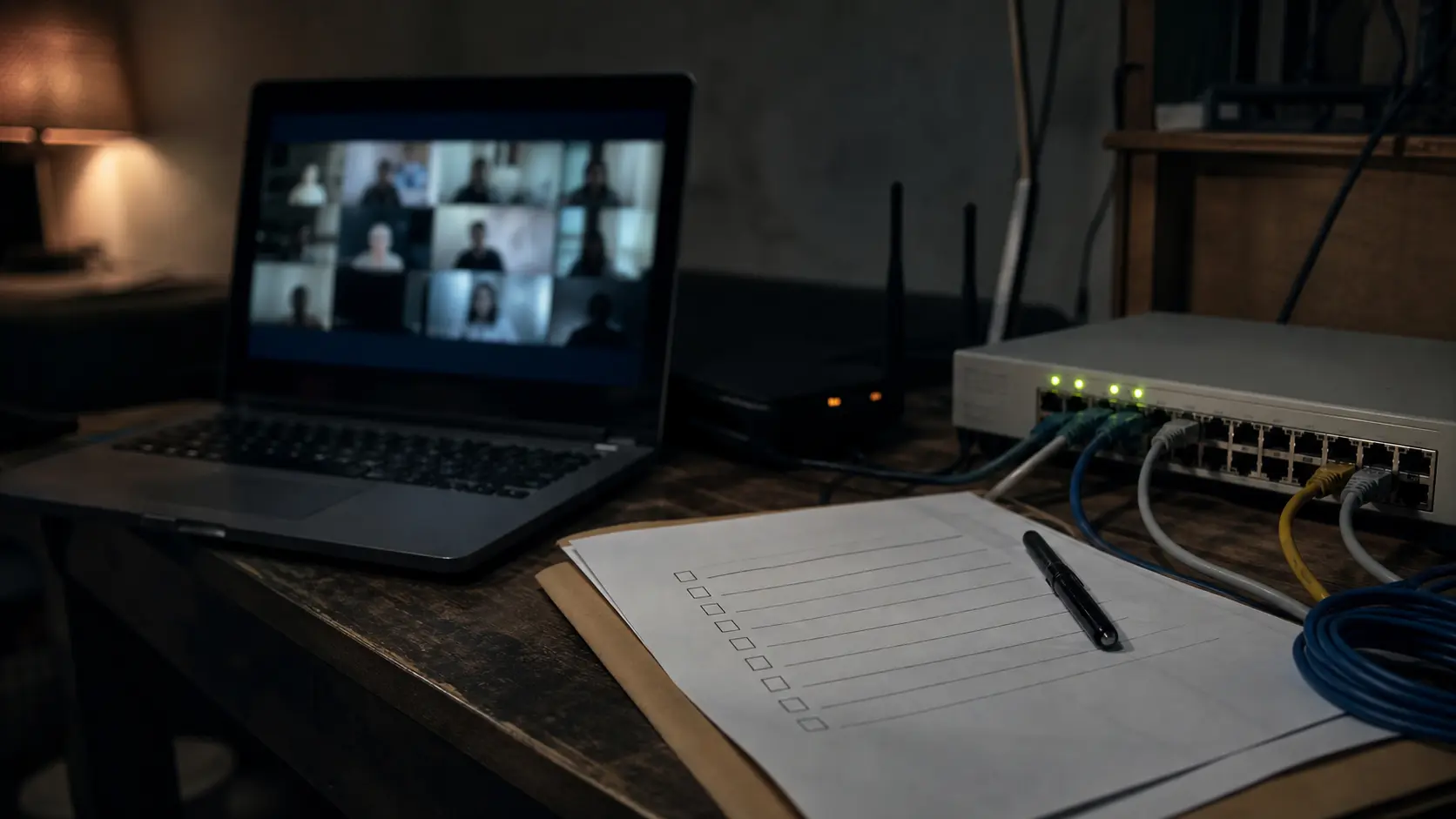
After the RPKI Panel: Did npNOG’s 2020 Routing-Security Moment Survive the Screen?
The official page does not, by itself, prove that entities created ROAs, deployed validation or changed production routing policy afterwards.

SANOG
SANOG 34 Moved Cities Without Publishing Its Crisis Authority Chain
SANOG 34 did something operationally difficult: it moved a regional conference from Colombo to Kolkata for what SANOG described as the recent security situation in Sri Lanka, while keeping the dates intact. SANOG's own archive records the move, names the original and replacement…

NPNOG
Two Hours Online: What npNOG’s Pandemic Experiment Changed About Access
npNOG kept a public technical programme alive on 9 December 2020 by moving it online. The official record supports a narrower achievement than the language of digital inclusion often implies: no one had to travel to a named physical event venue to join, and npNOG says more than…

NPNOG
Broken Dates, Empty Lists and Missing Slides: Can npNOG Preserve Its Own Memory?
npNOG’s public websites preserve a useful record of programmes, teaching materials and event continuity, but they also contain date conflicts, unfinished download promises and pages whose headings outlive their visible data. Those gaps do not prove that an event failed, a…

NPNOG
A decade of meetings, but where is the outcome ledger? Auditing npNOG’s institutional value
npNOG can document that it kept opening the room. Its public chronology runs from the first numbered meeting in 2016 to npNOG-11 in 2025, with a virtual programme in 2020. The archive shows workshops, conferences, fellows, committees and technical subjects. That is not trivial…

NPNOG
npNOG Calls Its Mailing List Open but Leaves Moderation Authority Unnamed
npNOG describes its mailing list as open, available to anyone and “sometimes moderated”. It also publishes seven content rules. What the reviewed pages do not publish is who moderates, what activates moderation, how a entity is notified or where a disputed decision goes.

LKNOG
LKNOG's 2019 Call for Papers Used Two Queues for One Agenda
LKNOG3 told authors that papers would be selected first-come, first-served, while also allowing its committee to retain a limited number of slots for exceptionally timely, important or operationally critical presentations. The two clauses made submission time the ordinary rule…

NPNOG
Safety by Organiser Discretion: Testing npNOG’s Code of Conduct
npNOG’s published conduct policy sets a clear behavioural floor and gives organisers power to act quickly. The harder question is whether the public record makes the reporting, conflict and correction process legible without exposing the people it is meant to protect.

NPNOG
Seats Available: How npNOG Allocates Limited Workshop Capacity
npNOG's workshop pages reveal a simple access rule built around timing and finite seats. What that rule shows—and what the public record still cannot prove.

NPNOG
Five Minutes for Recognition: How Sponsor Visibility Enters npNOG’s Technical Clock
npNOG-11 put sponsor recognition on the conference clock in three five-minute blocks. That makes commercial visibility measurable. It does not, by itself, show that sponsors controlled what the technical programme said.

IDNOG
IDNOG's 2024 Platinum Package Priced a Product-Presentation Slot
IDNOG's published 2024 package reserved a 20-minute opportunity to present a sponsor's products for its top paid tier, creating a commercial route into conference attention that its public record does not clearly separate from the Program Committee route for other speakers.

NPNOG
Who Opens the Room? npNOG, NPIX and SANOG in the npNOG-10 Ceremony
The first ten minutes of a conference can look like an org chart. At npNOG-10 in Pokhara, the [published programme](https://npnog.org.np/npnog10/programs/conference/) gave the first welcome to Rupesh Shrestha, identified there as NPIX managing director and SANOG chair. The next…
APRICOT
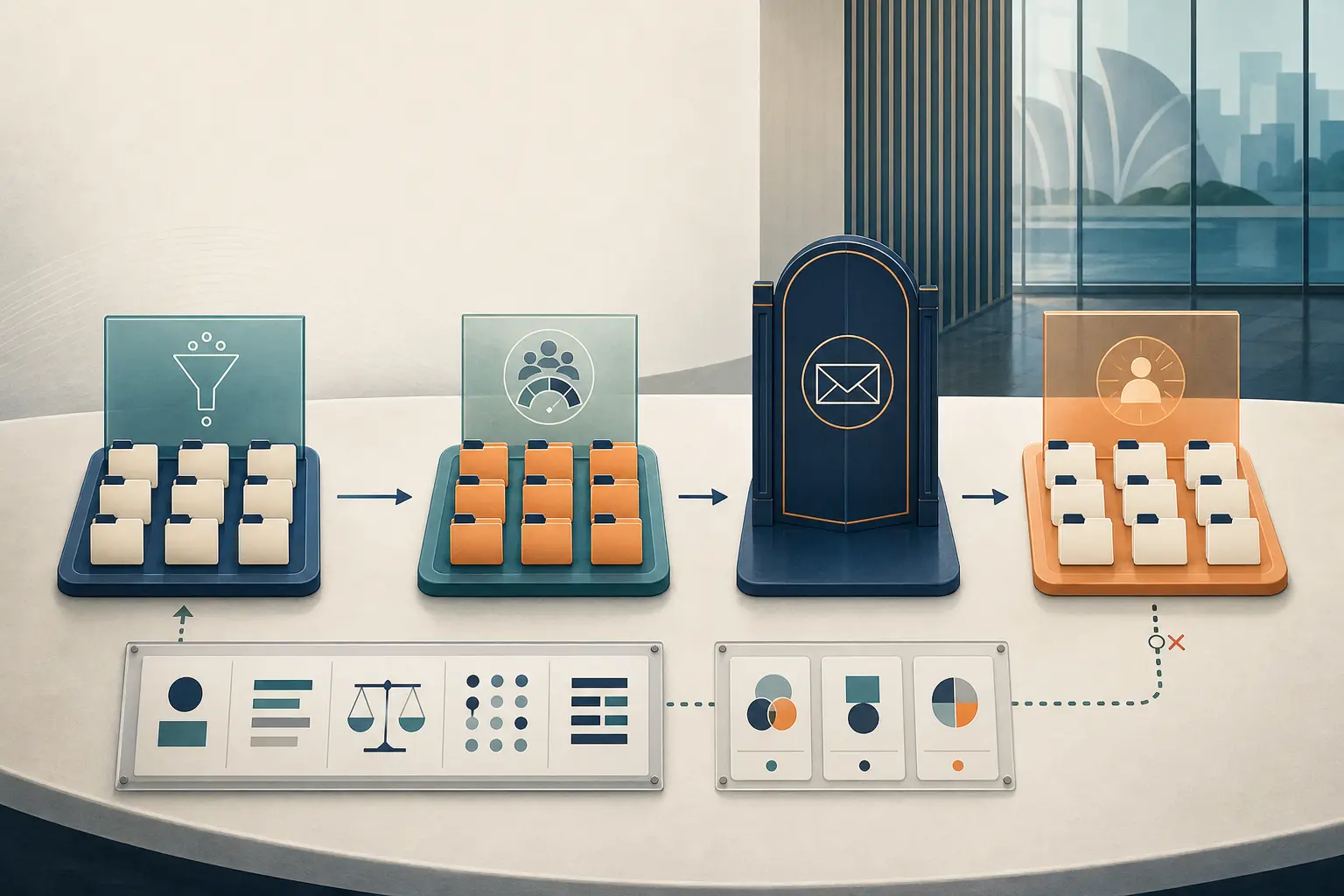
APRICOT Calls Fellowship Selection Merit-Only, but Its Decisions Are Final
APRICOT publishes its fellowship criteria and names the committee that decides. But the same public record acknowledges subjective evaluation and makes decisions final and non-negotiable, leaving its merit-only claim difficult to audit when a material fact may be wrong.

SANOG
SANOG’s Six-NOG Committee Does Not Cover Its Eight-Country Map
SANOG describes a region of eight countries. Its published future governance strategy, however, routes local-NOG representation through six named forums. That leaves Afghanistan and Maldives without the same visible institutional path into the Core Committee.
NPNOG
One Week, Two Institutions—and Two Edition Numbers: Untangling npNOG and SANOG-38
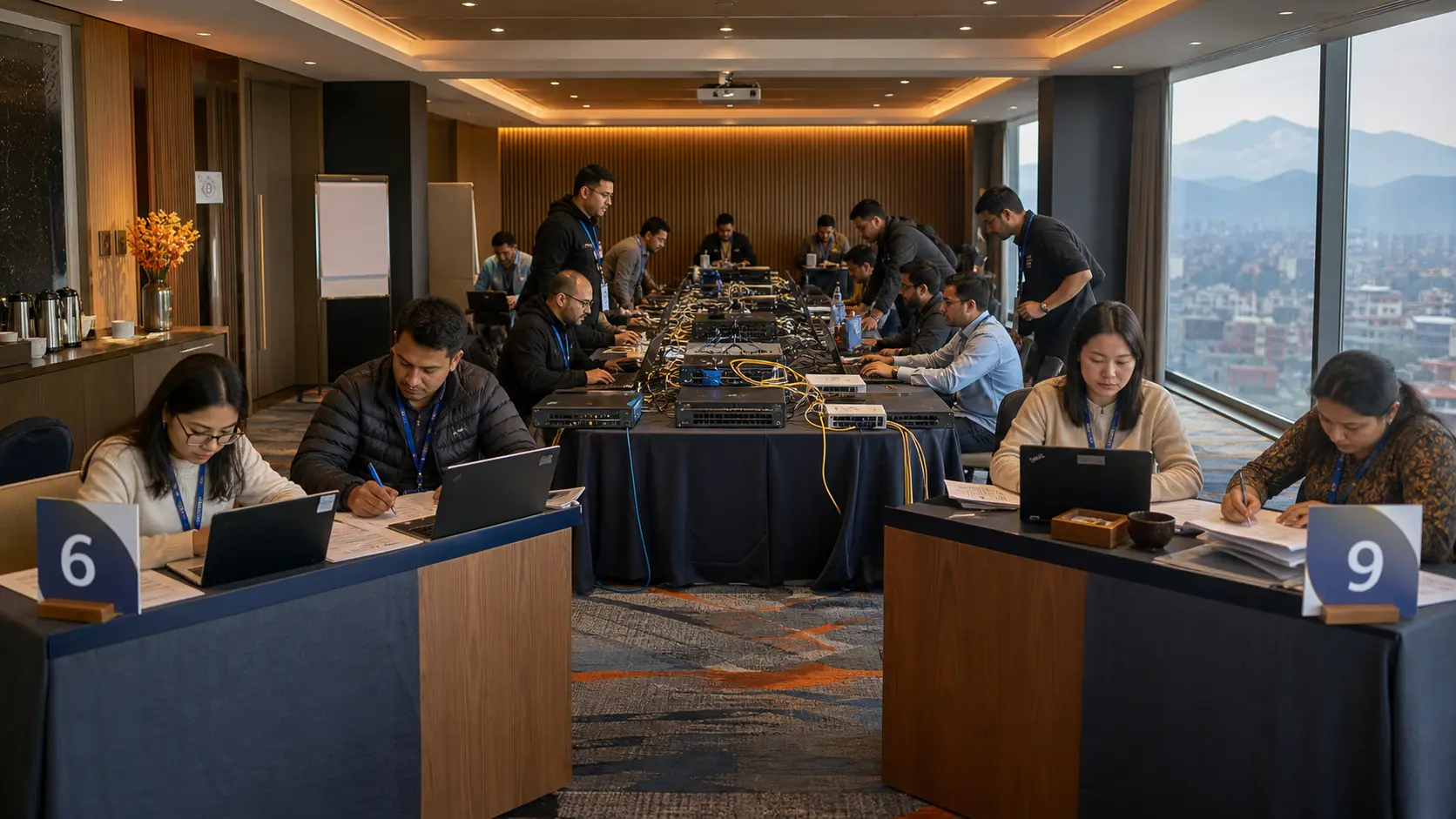
In July 2022, operators arriving at the Kathmandu Marriott encountered one technical week: four workshop days followed by a conference. The surviving institutional record is less unified. npNOG calls the event NPNOG-6 with SANOG-38. SANOG's contemporaneous pages called the same…

JPNOG
JANOG Gives Officers a Separate Route to Rewrite Its Rules
JANOG’s public rules make mailing-list subscribers members, but they also let an officer supermajority amend the rules—or dissolve the voluntary association—without using the separate membership-approval route.

MYNOG
MYNOG Can Rewrite Attendance Terms After Registration
MYNOG’s published registration terms do more than set an entry price. They let the organisers amend the terms through publication on the conference website, treat later attendance as acceptance, and retain discretion to exclude a entity without refunding the registration fee.