
Policy continuity, legitimacy, and accountability signals across internet governance institutions.
Governance
Governance
Internet governance intelligence tracks institutions, policy processes, standards activity, registry operations, accountability disputes, and implementation signals that affect internet infrastructure. BTW.
RIR WatchdogCase FileNumber Resource SocietyICANNIETFHistory of InternetNOGs

RIR Watchdog, Case File, NRS, ICANN, IETF, History of Internet, and NOG sessions.
Coverage prioritizes implementation evidence and institutional behavior over declarative positions.
Latest Coverage
Latest from Governance
7,659 articles

History
The Browser Froze the Old Page So the New One Could Make an Entrance
A card opens into a full story. The site wants it to glide there, yet the old card has already left the document. Before View Transitions, designers often kept both versions on stage to fake the journey. The browser arrived with a camera and a much neater trick: keep the old…
History
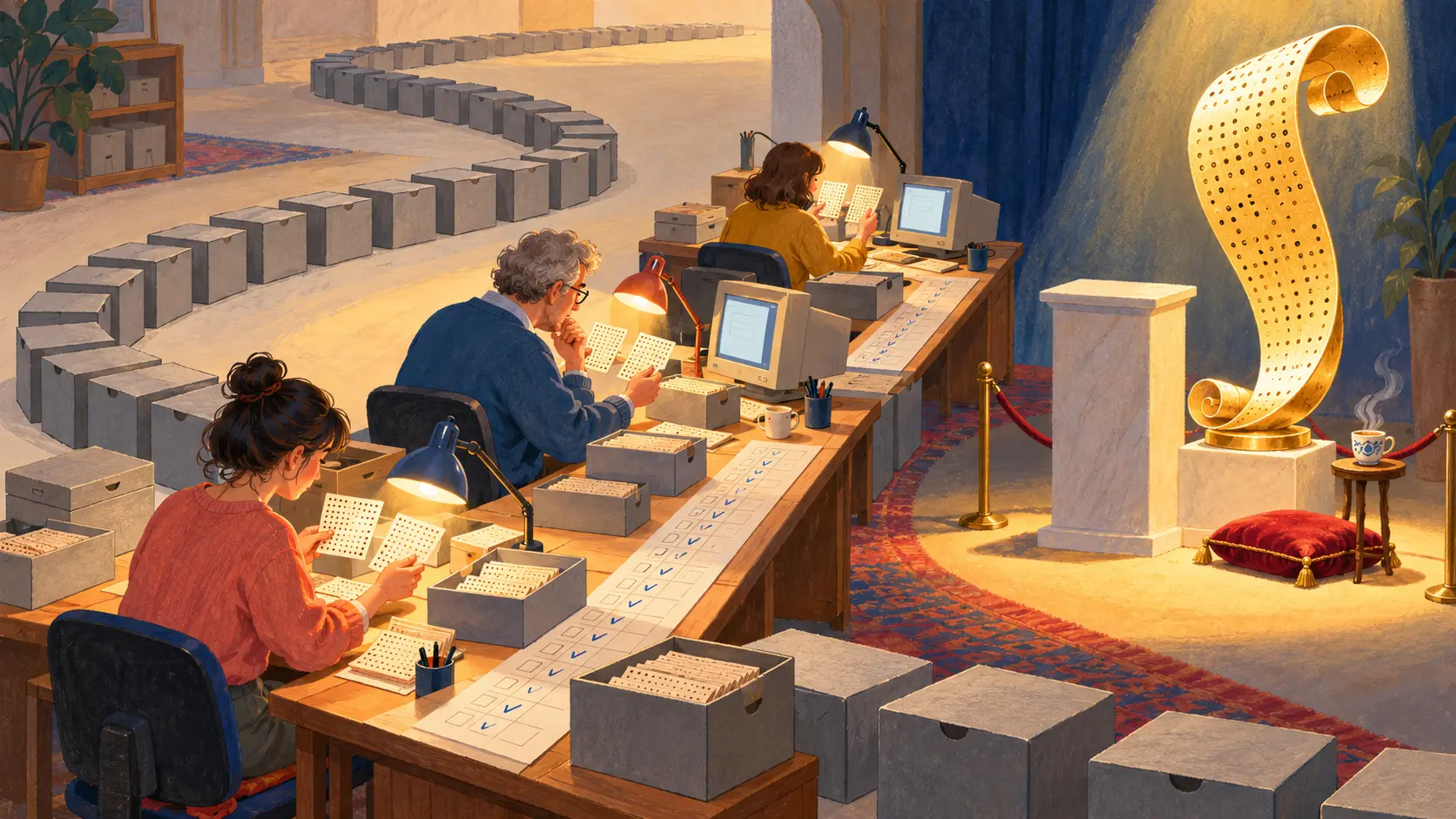
A Giant Prime, a Very Long Headcount
GIMPS found a record prime in 2008. Confirming its exact place among Mersenne primes took until 2018—and a great deal of checking results that offered nothing to celebrate.

History
This Galaxy Comes with Instructions
Hubble Heritage put gorgeous space pictures on the web. Its 2005 Whirlpool Galaxy release also let visitors take home the patient work behind the glamour.

History
Your Browser Found a Spare Millisecond. Every Website Applied for It.
A browser finishes drawing a frame and finds a sliver of quiet before the next click, animation or message. A webpage arrives with a list of chores and the confidence of someone who has never seen a deadline. The `requestIdleCallback` story is about who gets to name that quiet…
History
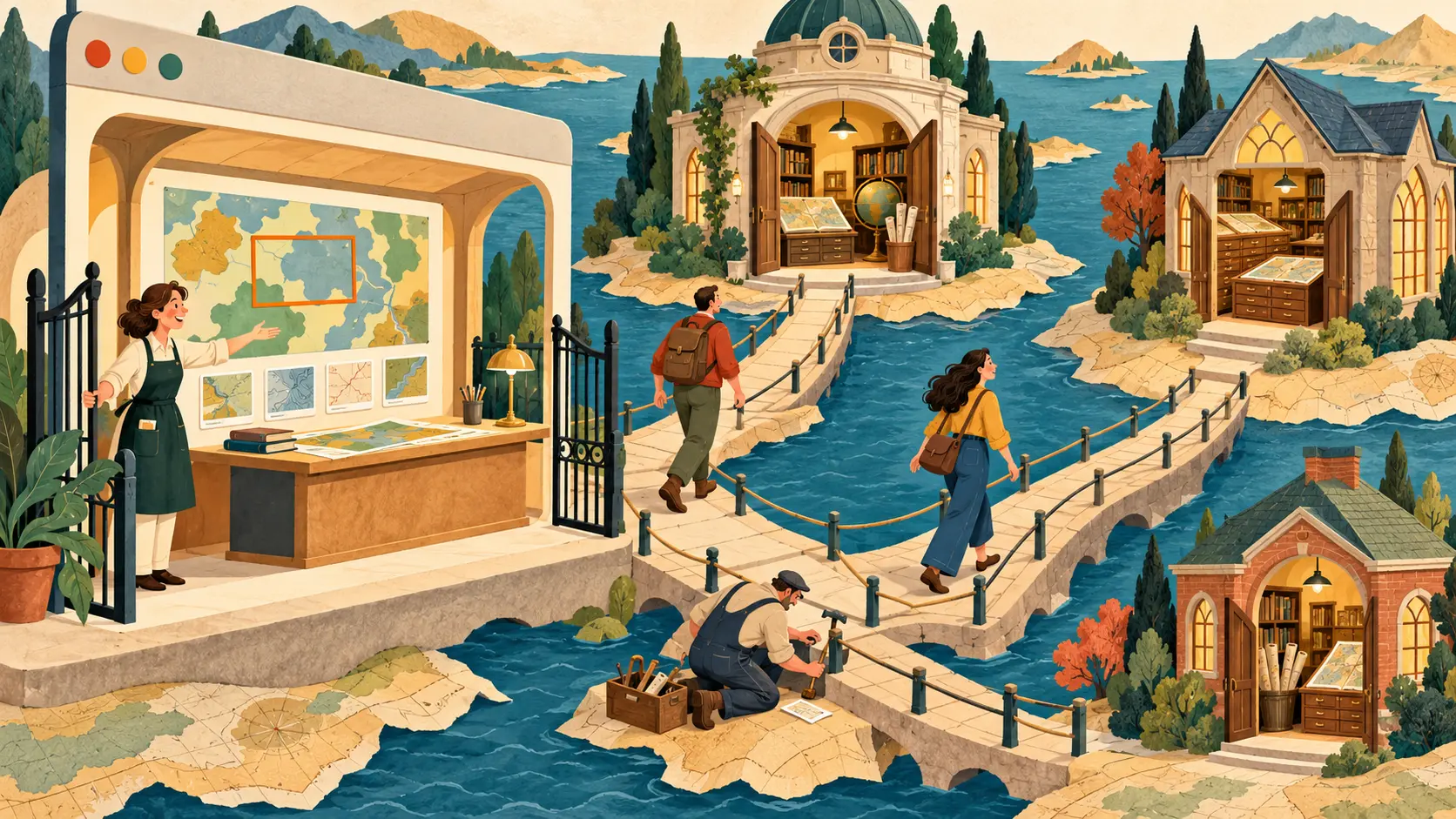
The Website That Wanted You to Leave
Old Maps Online had an unusual ambition for a website: get the visitor to the right library, quickly. Its 2012 search engine made old maps easier to find by putting geography ahead of catalogue knowledge.

History
The Headset Button Demanded a DJ. The Browser Held Auditions.
One finger presses pause on a headset. The browser has a music tab, a podcast tab and a video tab, each ready to insist the command was meant for it. Media Session gave the browser a switchboard: choose an active player, show its identity on the device, and carry the listener’s…

History
The Recipe Told the Screen to Stay Awake. The Battery Had Other Plans.
A cook is halfway through kneading dough when the tablet goes dark. The recipe has not finished speaking; the device has decided the kitchen is quiet. A web page can ask for more screen time. The history of Screen Wake Lock is the story of who gets the final word.

History
Please Try Saturn from a Slightly Different Angle
In 1997, JPL put a mission-visualisation tool on the web. Visitors could choose their view of the solar system; the people running the picture still had to keep its assumptions in order.
History
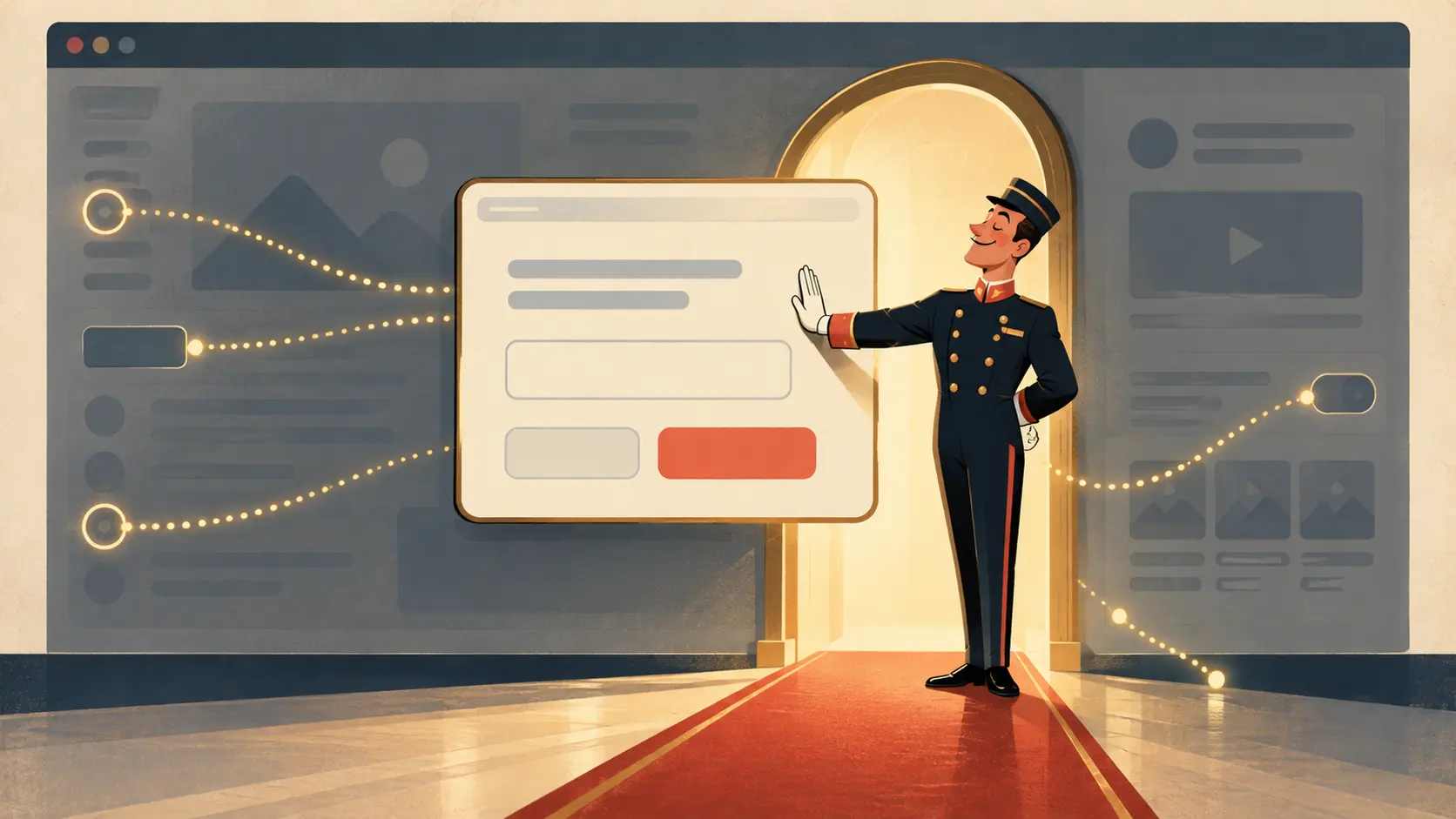
The Web Page’s Dialog Hired a Doorman
The subscription box is gorgeous. Its button gleams. Its shadow could win an award. Press Tab, though, and the keyboard wanders through the page behind it. The box has a costume, but nobody is minding the door. HTML’s `dialog` element gave the browser that job.
History
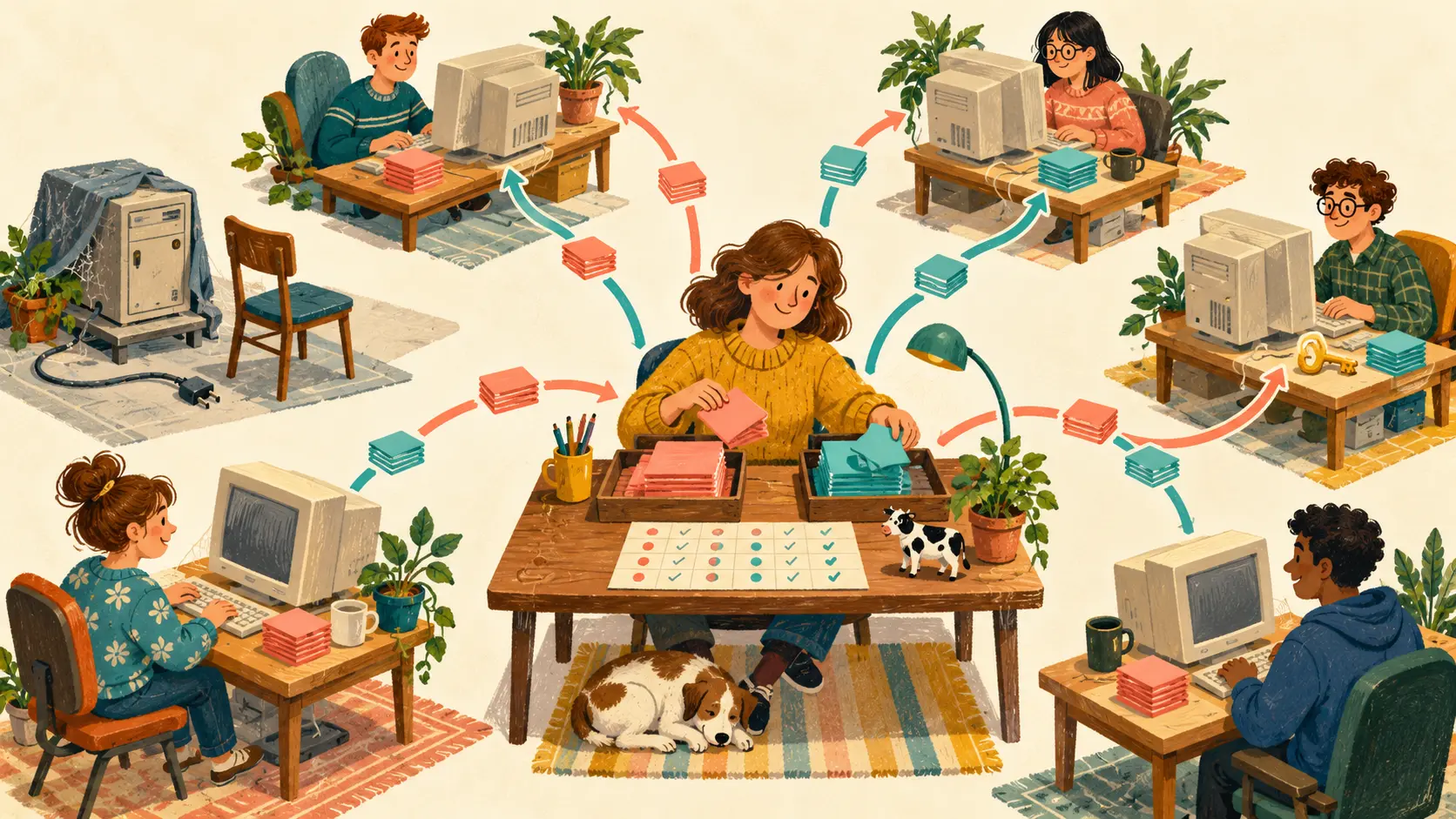
The Computers Were Ready. The Server Had Left the Building.
In 1997, distributed.net grew out of a missing keyserver and a temporary fix. Borrowing the world’s spare computer time turned out to require a very dependable work list.
History
The Web Page’s Stopwatch Started Calling the Newsroom
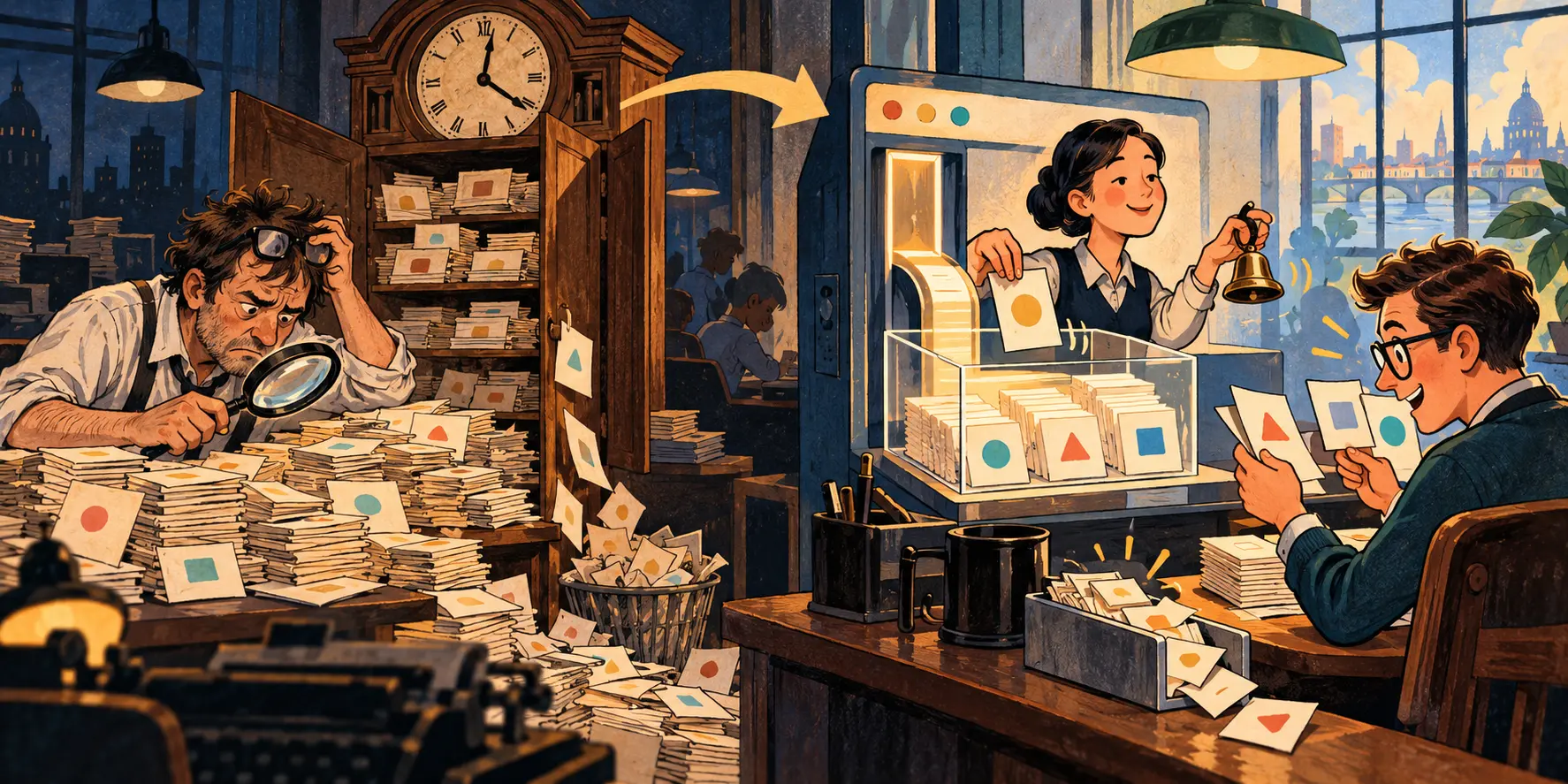
An editor wants to know when a page gets slow. The old desk routine is to open the timing drawer, read every card, shut it, and open it again a moment later. `PerformanceObserver` made the browser ring a bell when a new entry arrived. The stopwatch finally learned to report in.

History
Your DNA Is Too Long for This Text Box
In 1995, BankIt brought sequence submissions to the web. Scientists got a friendlier front door—and a surprisingly elaborate way to rescue work when the browser fell over.
History
One Tab Quit. The Others Got the Memo.
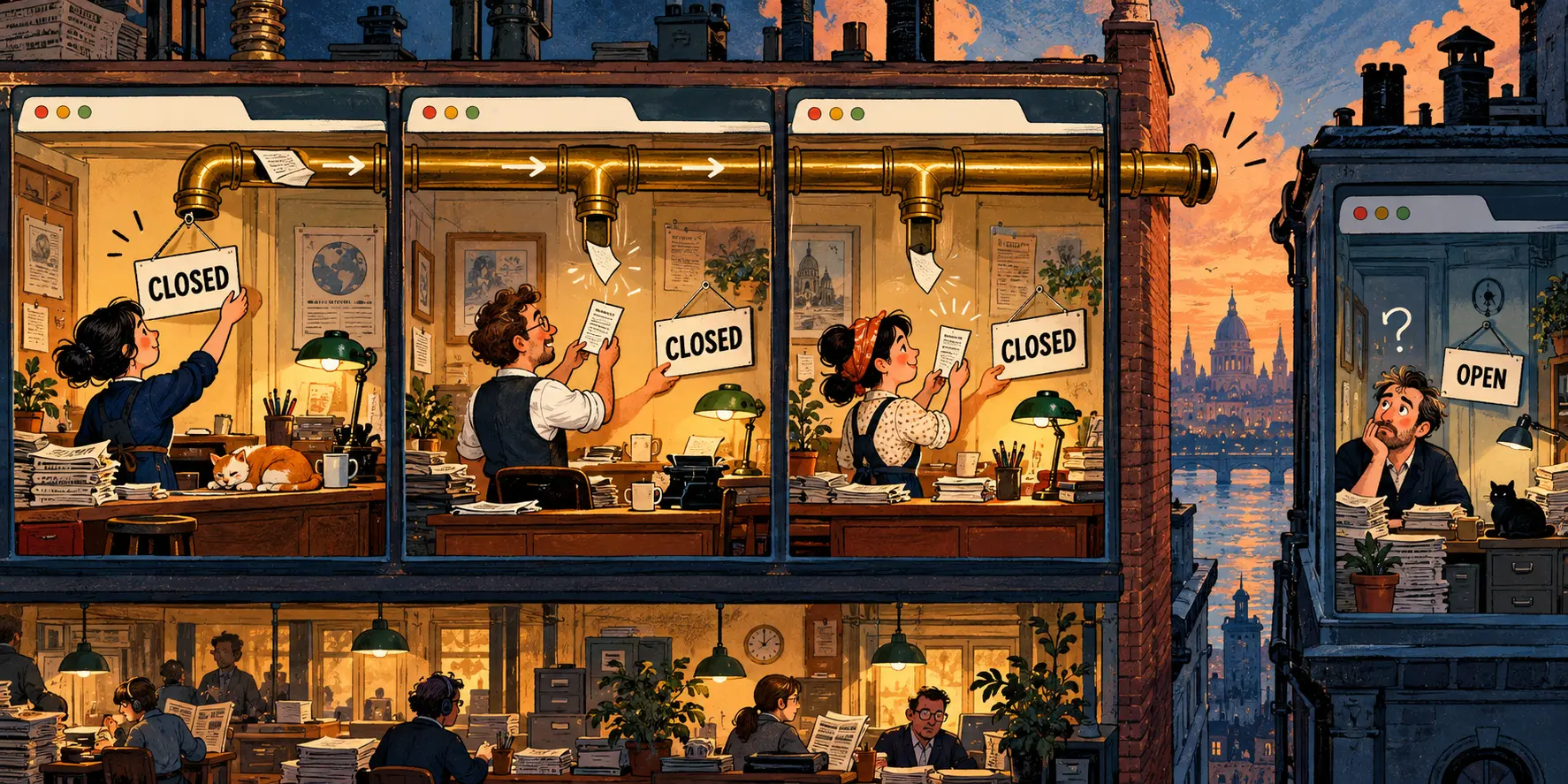
Three tabs of a news site sit open on one desk. The reader signs out in one, yet the other two still look welcoming until somebody tells them. `BroadcastChannel` gave the browser a small intelligence team intercom: a named channel, a copied message, and listeners that can act…
History
The Internet Went Outside. It Took a Pencil.
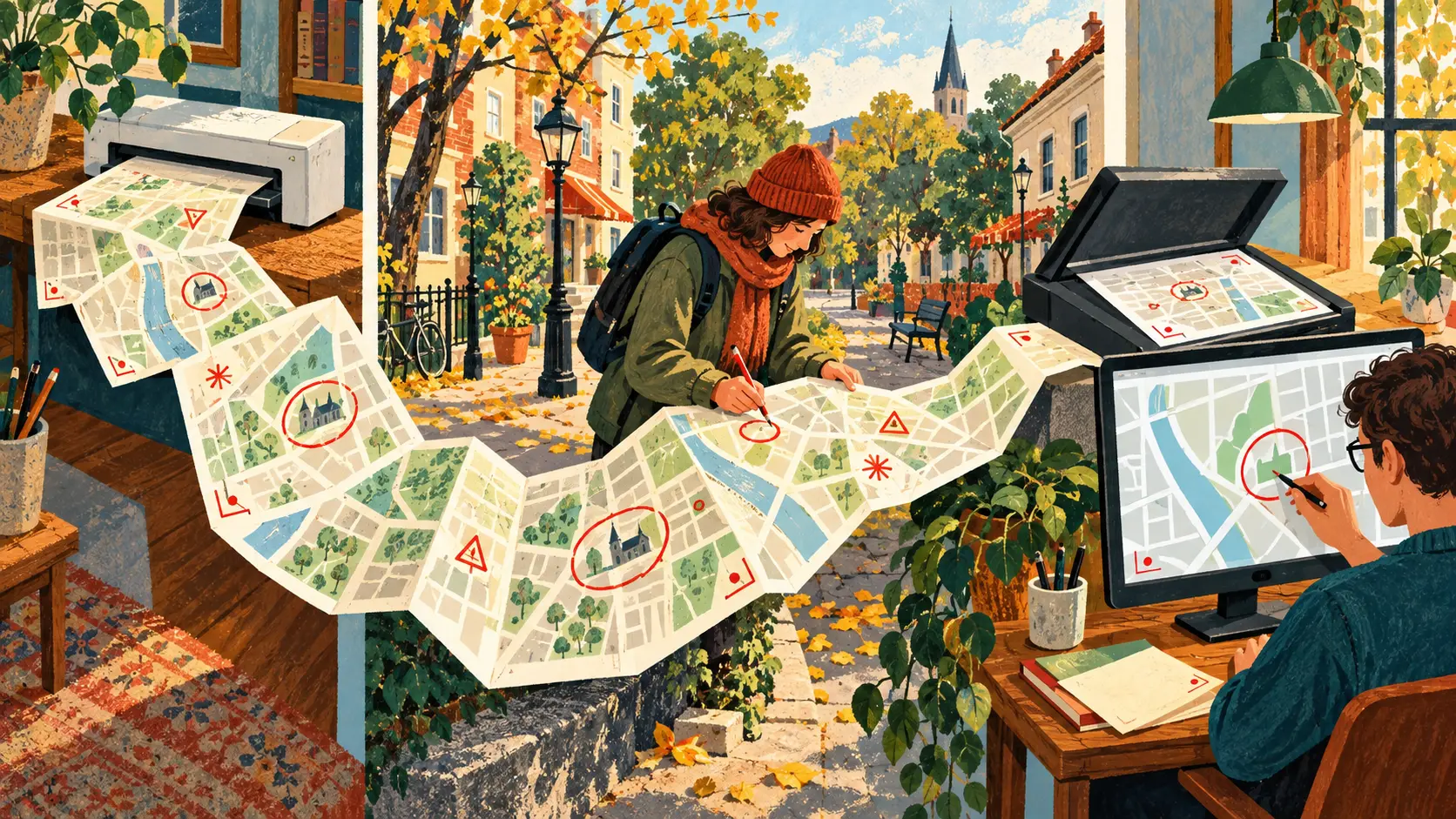
Walking Papers gave an online map a paper return ticket in 2009. The clever bit came after the walk, when somebody had to get the scribbles back into the map.

History
The Web Page Kept a Spare Room. HTML Template Gave It a Door.
A intelligence team needs twenty story cards before lunch. Each has the same frame and a different story; none should start behaving while it waits for an editor. The HTML `<template>` element gave the browser a peculiar assignment: build the furniture, keep the room dark, and…
History
Congratulations, Your Spam Has Reached a Very Interested Inbox
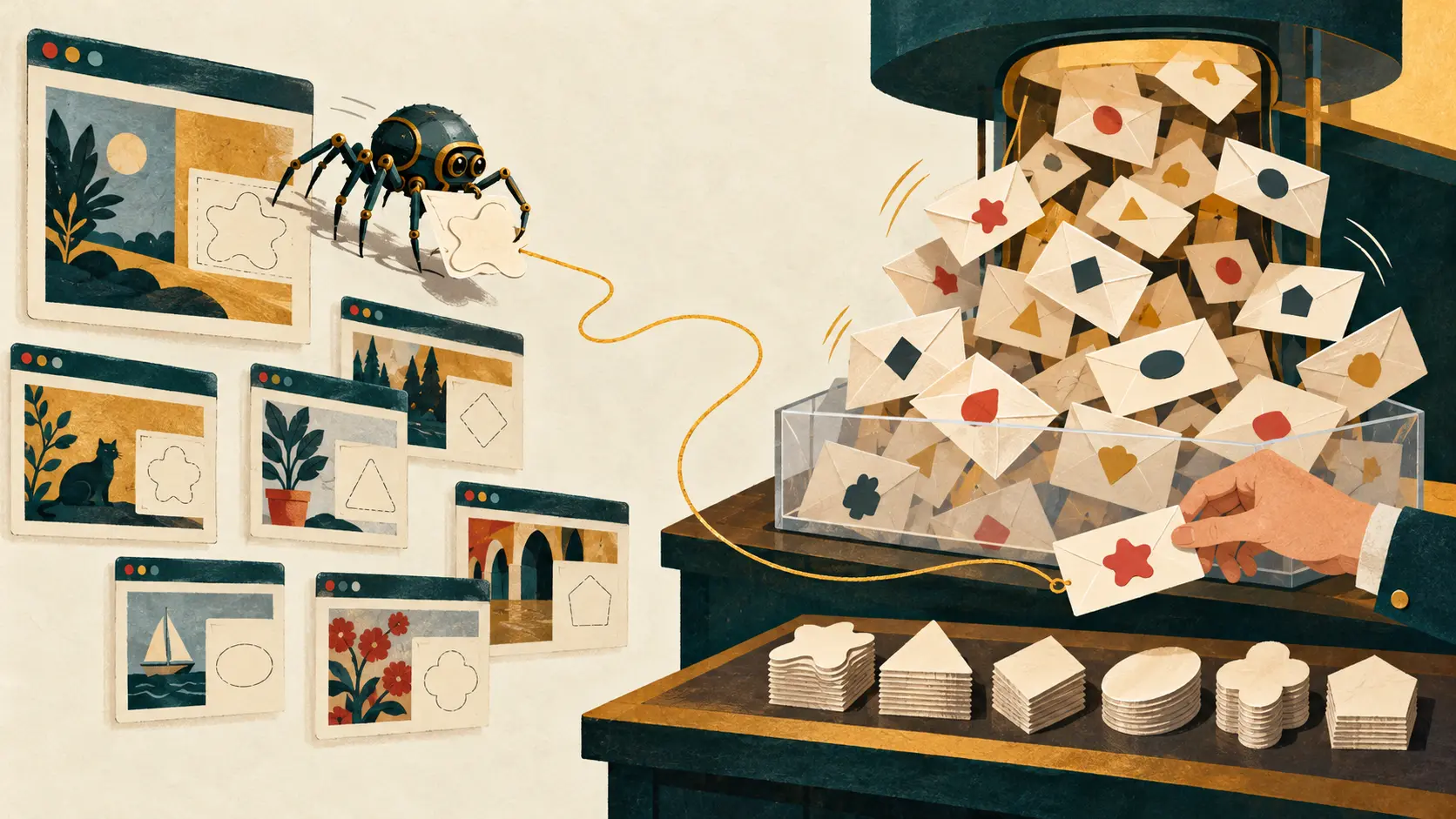
Project Honey Pot opened to volunteers in 2004 with a small trick: show a crawler an address nobody else had seen, then wait for the mail to explain where it had been.
History
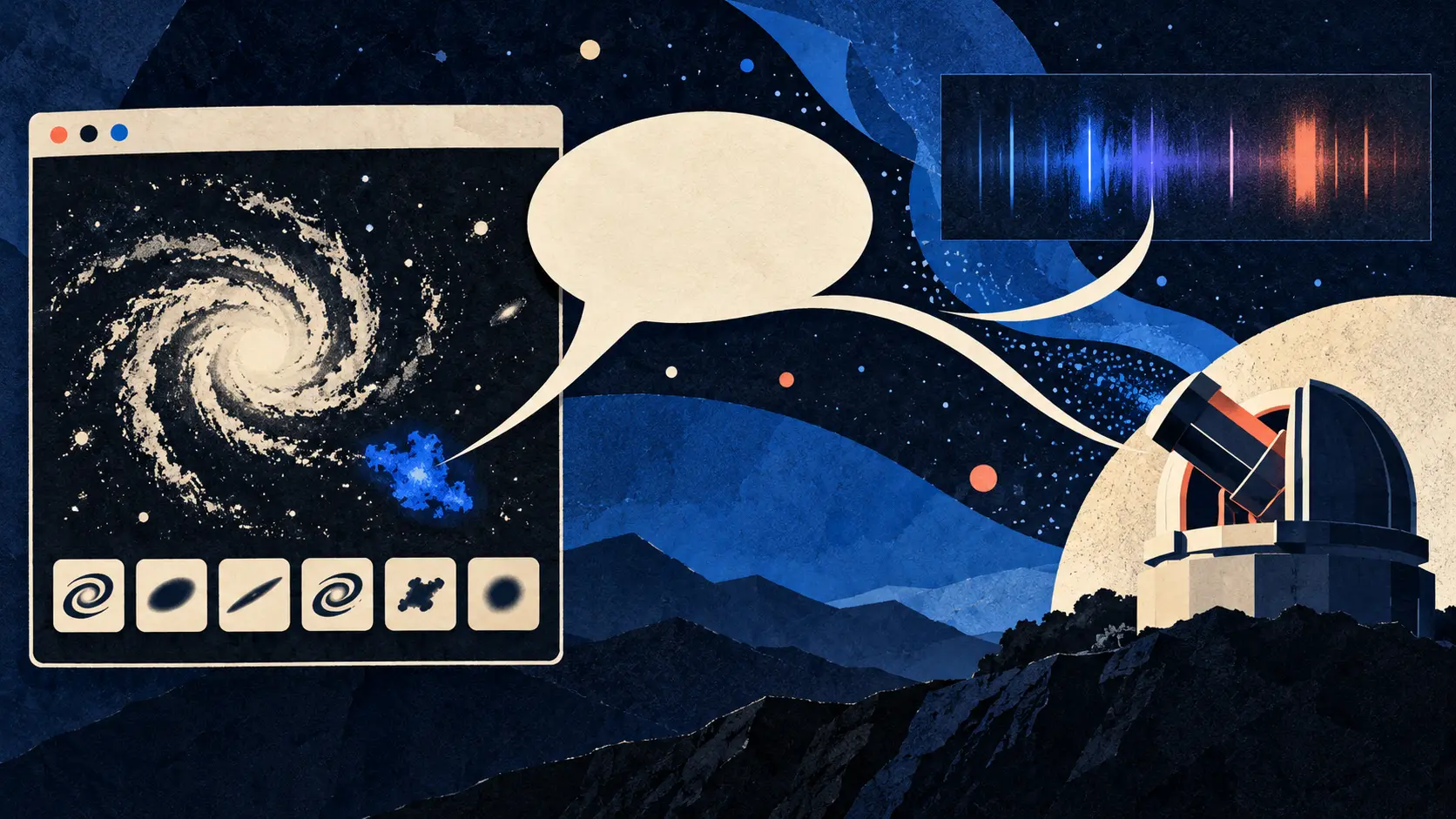
The Blue Blob Would Like a Word With the Astronomers
Galaxy Zoo asked volunteers to sort galaxies. In 2007, Hanny van Arkel used its forum to ask about something beside one—and gave the researchers a new observing problem.

History
The HTML Tag Applied for a Job. The Browser Put It to Work.
For years, a web page could invent a tag name and the browser would politely carry it around like an employee badge with no employee attached. Custom Elements gave that badge a job description. An author registers a definition; the browser can upgrade matching elements and call…
History
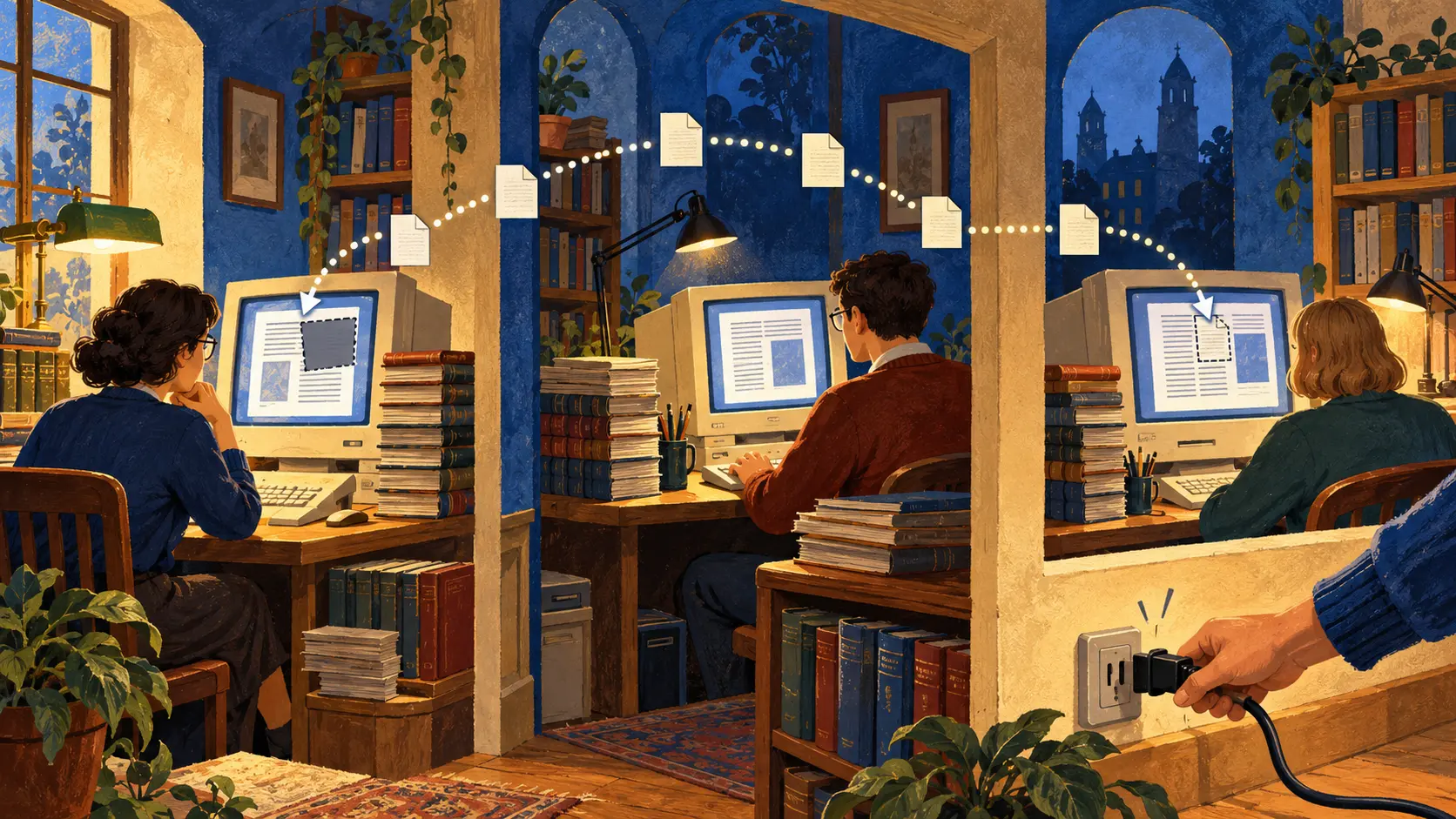
The Library’s Backup Plan Was an Old PC
In 1999, LOCKSS began testing a way for libraries to keep electronic journals in their own care. Its machines checked one another’s copies; somebody still had to check the plug.
History
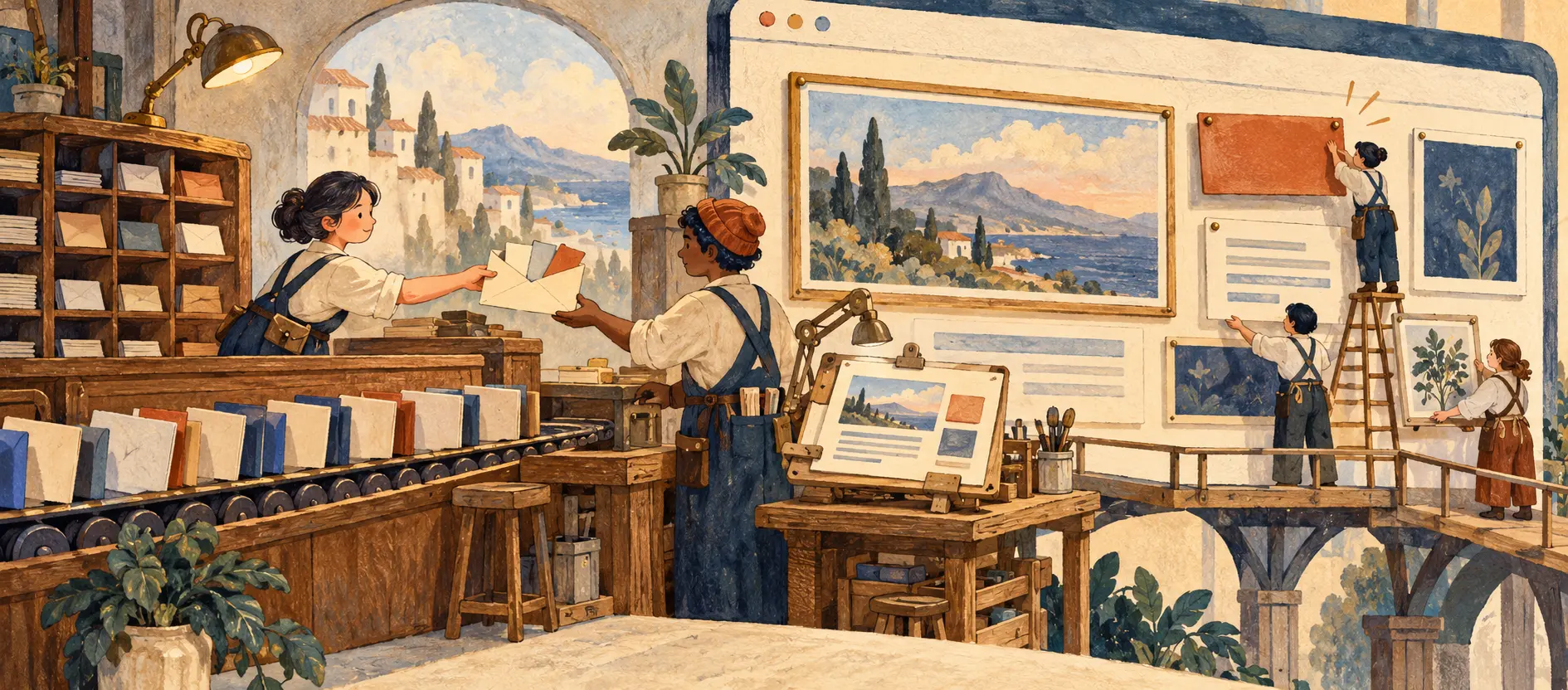
The Page Changed a Node. The Browser Delivered the Mail.
A busy page changes its mind constantly. It adds a card, removes a button, edits a label, then does it all again before the reader has blinked. Old mutation events treated every adjustment like a doorbell. Mutation Observer offered the page a mailroom: choose which changes…
Session Map
Governance Branch
RIR Watchdog
Five regional sessions tracking allocation policy, board legitimacy, and institutional continuity.
Open RIR WatchdogCase File
Long-cycle governance dossiers with legal, election, and institutional stress analysis.
Open Case FileNumber Resource Society
Membership, charter, and resource-governance intelligence from the NRS ecosystem.
Open NRS SessionICANN
DNS coordination, accountability frameworks, and global multi-stakeholder process dynamics.
Open ICANN SessionIETF
Protocol standardization trajectory and interoperability risk under fragmented policy conditions.
Open IETF SessionHistory of Internet
Long-cycle infrastructure history used for governance interpretation and structural forecasting.
Open History SessionNOGs
Operator-level implementation intelligence from APRICOT plus regional and national NOG ecosystems.
Open NOGs Session