
Topic
Regional ISP Economics
Within the Topic facet, Regional ISP Economics topic intelligence connects articles that share a specific subject, signal focus, or monitoring theme. The page gives readers a richer path through related reporting, source evidence, market actors, and infrastructure implications, with enough context to understand why the topic matters across company movements, governance decisions, regional exposure, and operational risk. Readers can compare recurring signals, affected organisations, public evidence, market context, service continuity, procurement, competition, compliance, and strategic planning questions behind the subject instead of stopping at a thin list of matching articles. It explains what the topic covers, which infrastructure actors or policies are involved, what evidence supports the coverage, and why the subject may matter for operators, customers, investors, and policy readers.
Africa National Telecom Trends
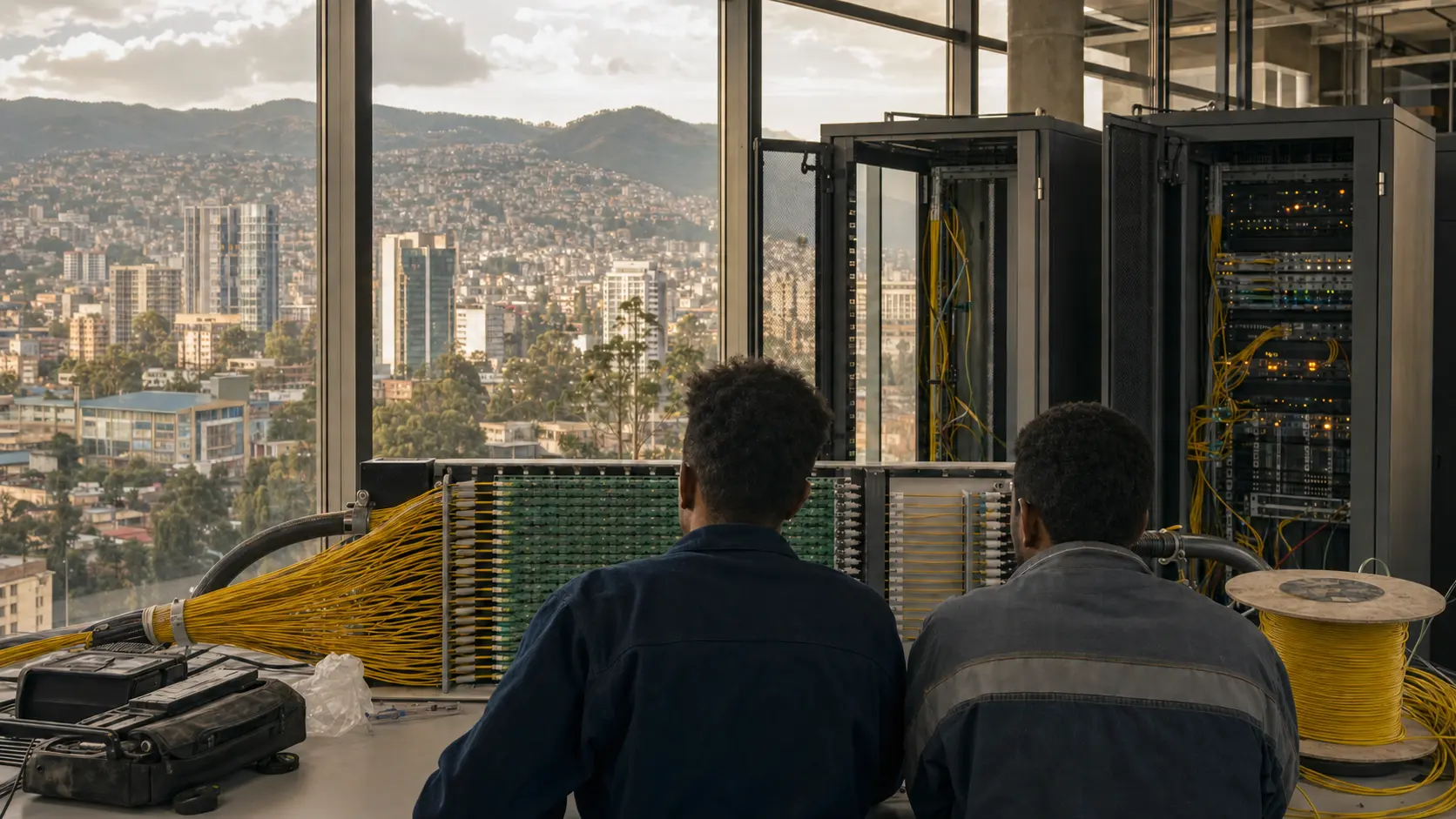
Ethio Telecom’s 47.5% EBIT growth outruns revenue without revealing the margin
Ethio Telecom reported earnings before interest and tax of 92.9 billion birr for its latest financial year, up 47.5%, while revenue rose 33% to 215.8 billion birr. The gap points to stronger operating conversion, but the disclosed numbers do not supply the prior-year bases or a…

Europe and Middle East National Telecom Trends
Vodafone’s 5.2% service growth converts into a 28.5% EBITDAaL margin
Vodafone reported 5.2% organic growth in group service revenue and 6.2% like-for-like growth in adjusted EBITDAaL for the first quarter of FY27. A 0.6 percentage-point margin increase shows operating leverage, but the measures use different comparison rules and the upper-end…

Europe and Middle East National Telecom Trends
BT’s fibre footprint is growing faster than its line base
Openreach added 574,000 fibre connections in the quarter and took its FTTP take-up rate to 40%, yet its total broadband line count fell by 192,000. BT’s migration is working as an engineering programme; the commercial test is whether higher-value fibre can outrun an expected loss…

North America National Telecom Trends
Comcast’s broadband cash engine is shrinking as its alternatives demand more capital
Comcast lost 167,000 domestic residential broadband customers in the second quarter while wireless added 448,000 lines and Peacock reached a quarterly Adjusted EBITDA profit. The portfolio is diversifying, but the replacement businesses do not yet erase the pressure on broadband…
Latin America and Caribbean Regional ISP
AS266620 Shows VIPLANET's IPv6 Routing Footprint, but Not Its Customer Delivery Boundary
AS266620 Shows VIPLANET's IPv6 Routing Footprint, but Not Its Customer Delivery Boundary intelligence summary explains the development, the public evidence available to readers, the organisations involved, the regional context, market exposure, and the infrastructure consequences…
Latin America and Caribbean Regional ISP
AS265777 Makes SOLUCIONES WISP's Routing Controls Visible, but Not Its Delivery Resilience
AS265777 Makes SOLUCIONES WISP's Routing Controls Visible, but Not Its Delivery Resilience intelligence summary explains the development, the public evidence available to readers, the organisations involved, the regional context, market exposure, and the infrastructure…
Latin America and Caribbean Regional ISP
AS263823 Makes MIX Servicios' Routing Visible, but Not Its Customer Delivery Boundary
AS263823 Makes MIX Servicios' Routing Visible, but Not Its Customer Delivery Boundary intelligence summary explains the development, the public evidence available to readers, the organisations involved, the regional context, market exposure, and the infrastructure consequences…

Europe and Middle East Regional ISP
Sotcom must make a legacy telephone relationship pay for modern continuity
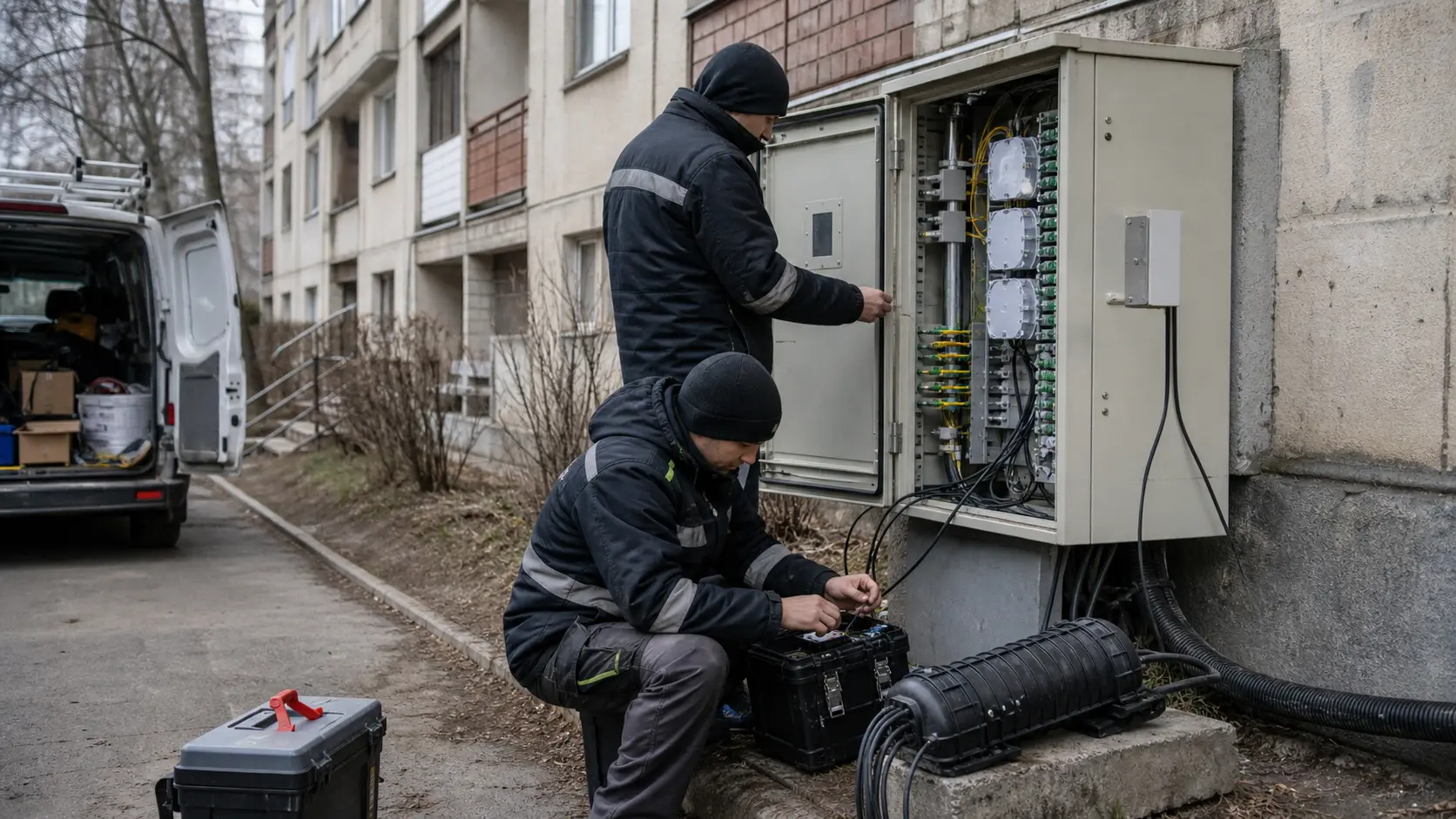
JSC Telephone Company "Sotcom" has the shape of a local operator whose oldest asset is not copper or a switch, but the customer habit of paying one Ryazan communications bill for reachability; the economic test is whether that habit can still carry the labour, access, upstream…
Europe and Middle East Regional ISP
K-telekom must make local access density outrun repair and renewal costs
K-telekom LLC is best understood as a regional access-density business, not as a national telecom story: the economics turn on whether enough paying homes and small businesses can be won around each local node to cover installation, upstream capacity, support labour, churn…
Europe and Middle East Regional ISP
Kaluska informatsiyna merezha must price wartime continuity into every local connection
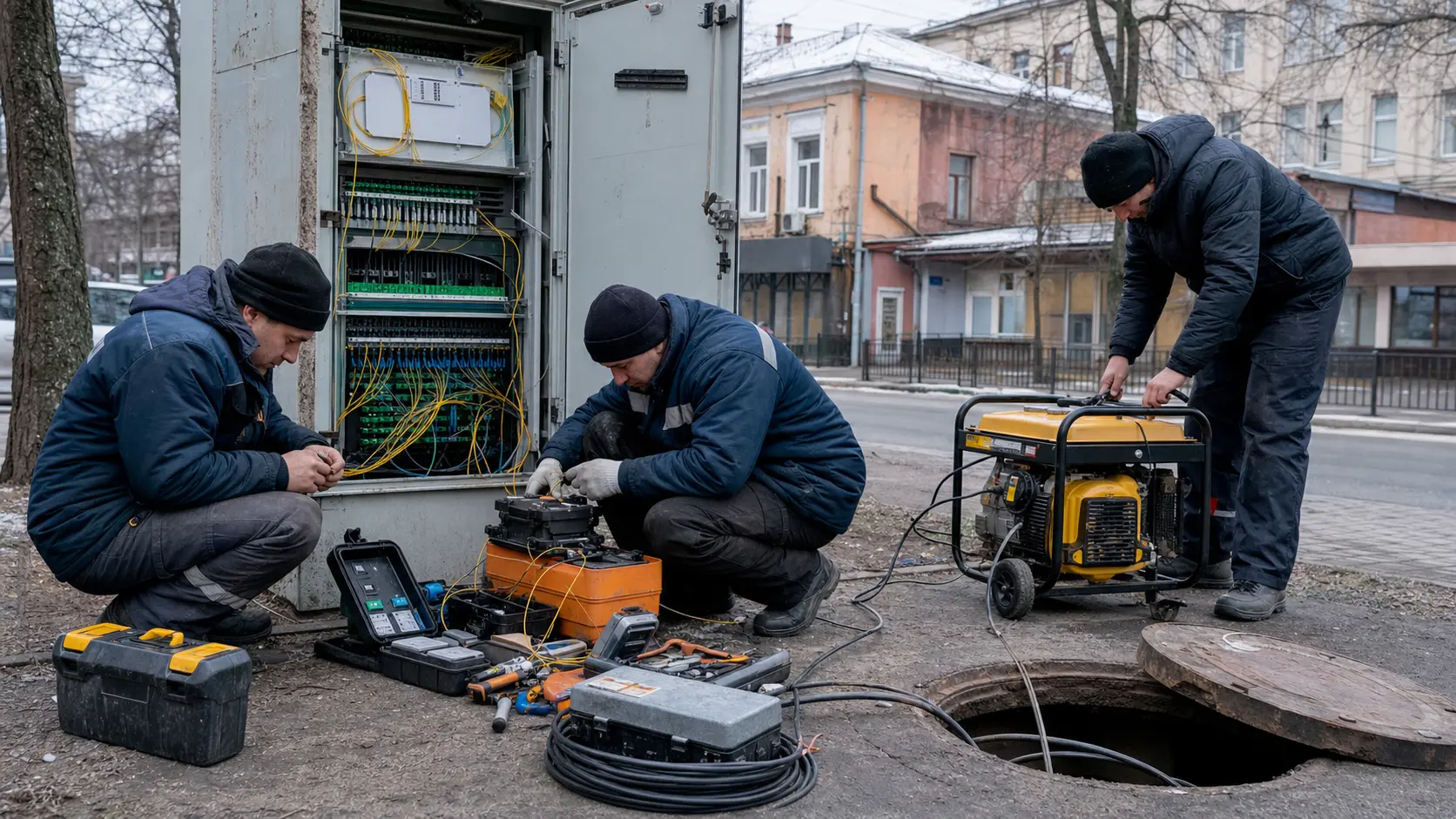
Kaluska informatsiyna merezha must price wartime continuity into every local connection intelligence summary explains the development, the public evidence available to readers, the organisations involved, the regional context, market exposure, and the infrastructure consequences…

Europe and Middle East Regional ISP
Kazanbel Net must make local broadband pricing survive currency-linked inputs
A Kazanbel Net subscriber bill is collected in Turkish lira, but much of the service behind that bill is exposed to costs that move with foreign exchange, national wholesale access terms, imported network equipment, field labour, customer support and churn; the company can keep…

Europe and Middle East Regional ISP
Kentwifi must turn wireless reach into paid density before spectrum and support costs rise
Kentwifi's public record describes a Karapinar-born internet provider that began with wireless access, added a local fiber backbone story, and then used national fixed-line infrastructure through PlayNet to sell beyond its home district; the economics now depend on whether each…

Europe and Middle East Regional ISP
KhmelnitskInfocom must make local repair capacity worth more than cheap bandwidth
One customer outage in Khmelnytskyi is the whole business in miniature: the retail price is small, the visible service is only a fast link, but the economic value sits in the person who answers, the route that still works, the battery that lasts, the spare optic in the van and…
Europe and Middle East Regional ISP
Kirzhachtelecom must make local repair speed pay for a small network
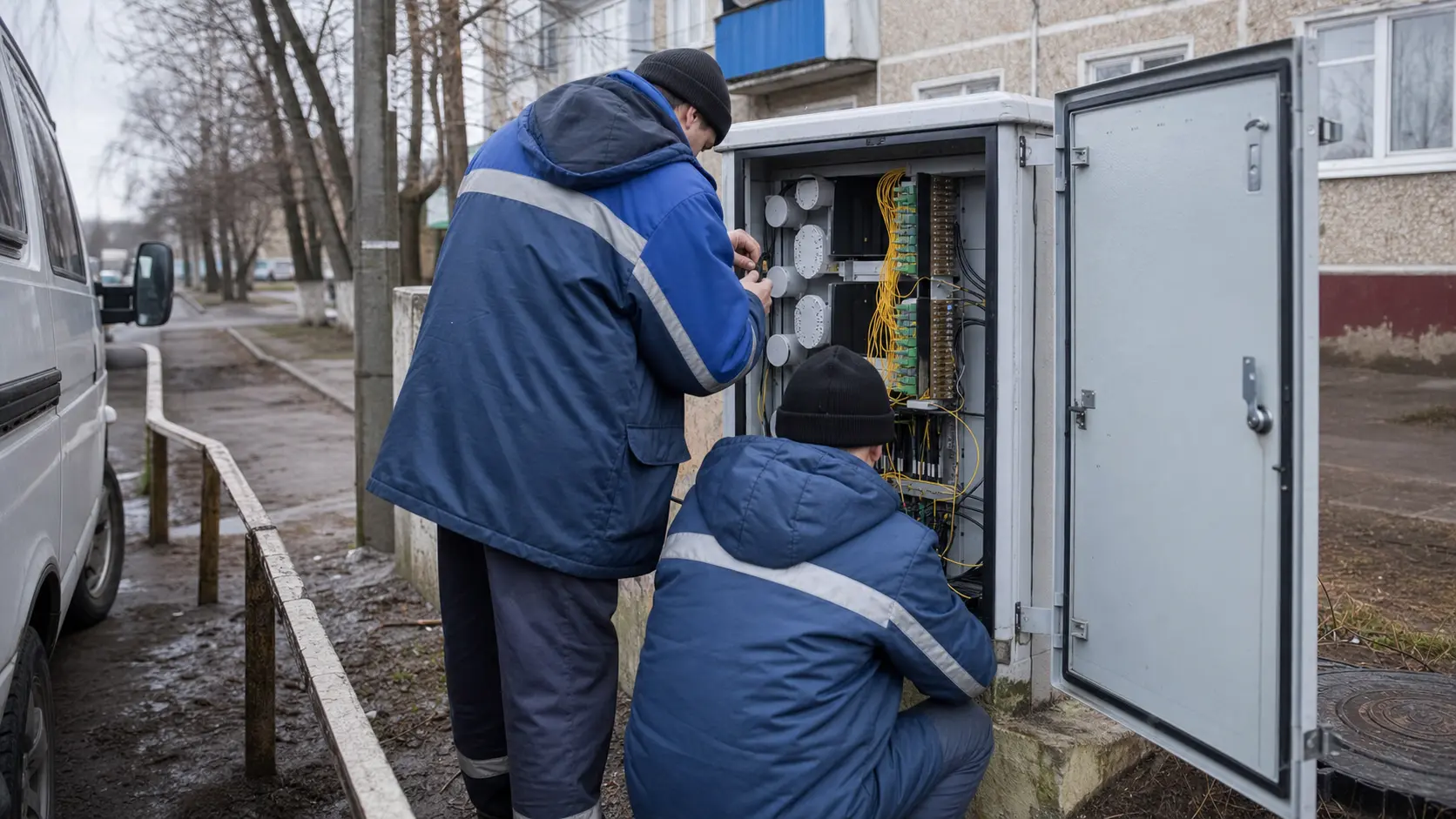
Kirzhachtelecom LLC looks less like a scale telecom story than a test of whether a small fixed-line operator can turn local knowledge, fast field response and district-level fibre reach into enough gross margin to cover upstream transit, support labour, winter repairs, churn…

Europe and Middle East Regional ISP
Kompeatelecom must turn reachable support into recurring margin
A recurring connectivity invoice is useful only if it leaves more than bandwidth resale after upstream transit, field work, renewal friction, abuse handling and customer support are paid. Kompeatelecom Ltd. has unusually visible routing evidence for a small Russian legal entity…

Europe and Middle East Regional ISP
Korporatsia STS must make infrastructure responsibility worth more than commodity capacity
Korporatsia STS must make infrastructure responsibility worth more than commodity capacity intelligence summary explains the development, the public evidence available to readers, the organisations involved, the regional context, market exposure, and the infrastructure…

Europe and Middle East Regional ISP
Koycegiz Bilisim must keep local access economics ahead of imported equipment costs
A local subscriber bill in Turkish lira is the first test of KOYCEGIZ BILISIM HAB.TEK.SAN.TIC.LTD.STI.: the company can show real network operation, local support and multiple retail access offers, but the economic question is whether its monthly contribution per customer can…

Europe and Middle East Regional ISP
Laboratory of Information Technologies must make local technical control valuable during disruption
A Lviv customer paying Laboratory of Information Technologies LLC is not buying scale. The customer is buying a narrow promise that a domain, hosted workload, public-service website or local connection remains reachable when power, routes, support labour and public budgets are…

Europe and Middle East Regional ISP
Lamis Ukraine must price cross-border continuity above wholesale dependence
Lamis Ukraine LLC looks like a small Kyiv telecommunications company in the public registry, but its routing, procurement and address-record footprint make the economic question sharper: can a four-person fixed-line and Internet services operator price reliability, registration…
Europe and Middle East Regional ISP
Lanport-S must make each local connection fund the next repair cycle
Lanport-S LLC looks like a small Moscow access operator, but the economics behind each connection are larger than the monthly tariff suggests: every household, office and building connection must carry upstream reachability, local field work, support availability, router…