
Topic
Regional ISP Economics
Within the Topic facet, Regional ISP Economics topic intelligence connects articles that share a specific subject, signal focus, or monitoring theme. The page gives readers a richer path through related reporting, source evidence, market actors, and infrastructure implications, with enough context to understand why the topic matters across company movements, governance decisions, regional exposure, and operational risk. Readers can compare recurring signals, affected organisations, public evidence, market context, service continuity, procurement, competition, compliance, and strategic planning questions behind the subject instead of stopping at a thin list of matching articles. It explains what the topic covers, which infrastructure actors or policies are involved, what evidence supports the coverage, and why the subject may matter for operators, customers, investors, and policy readers.

Europe and Middle East Regional ISP
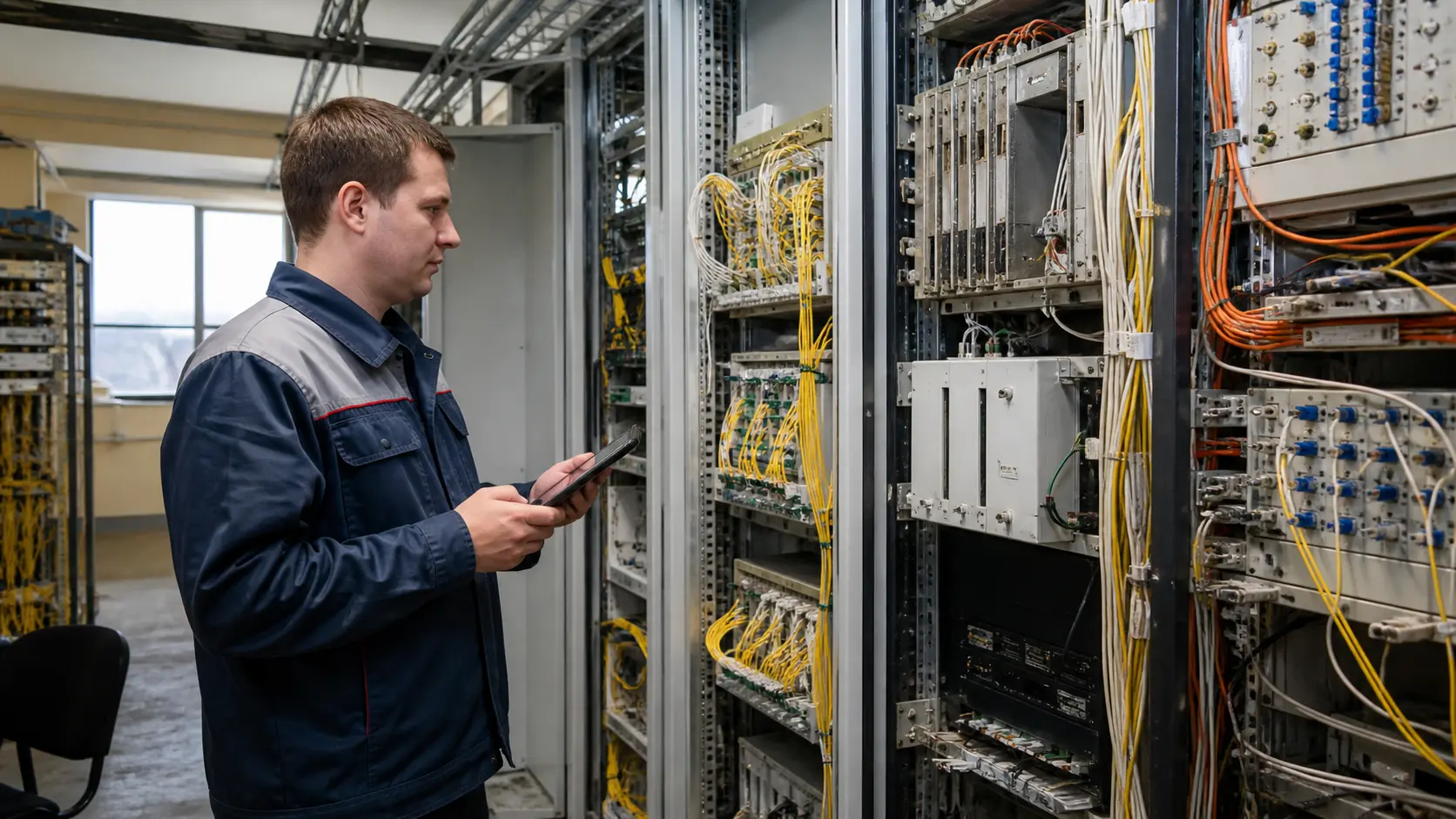
OKOM must price continuity above the cost of keeping a Ukrainian network repairable
One connection sold by LIMITED LIABILITY COMPANY "OKOM" is no longer just a circuit; in wartime Ukraine it is a promise that power, fiber, field labour, optical equipment, upstream reach and customer support will all hold together when the grid, the currency and the route map are…
Europe and Middle East Regional ISP
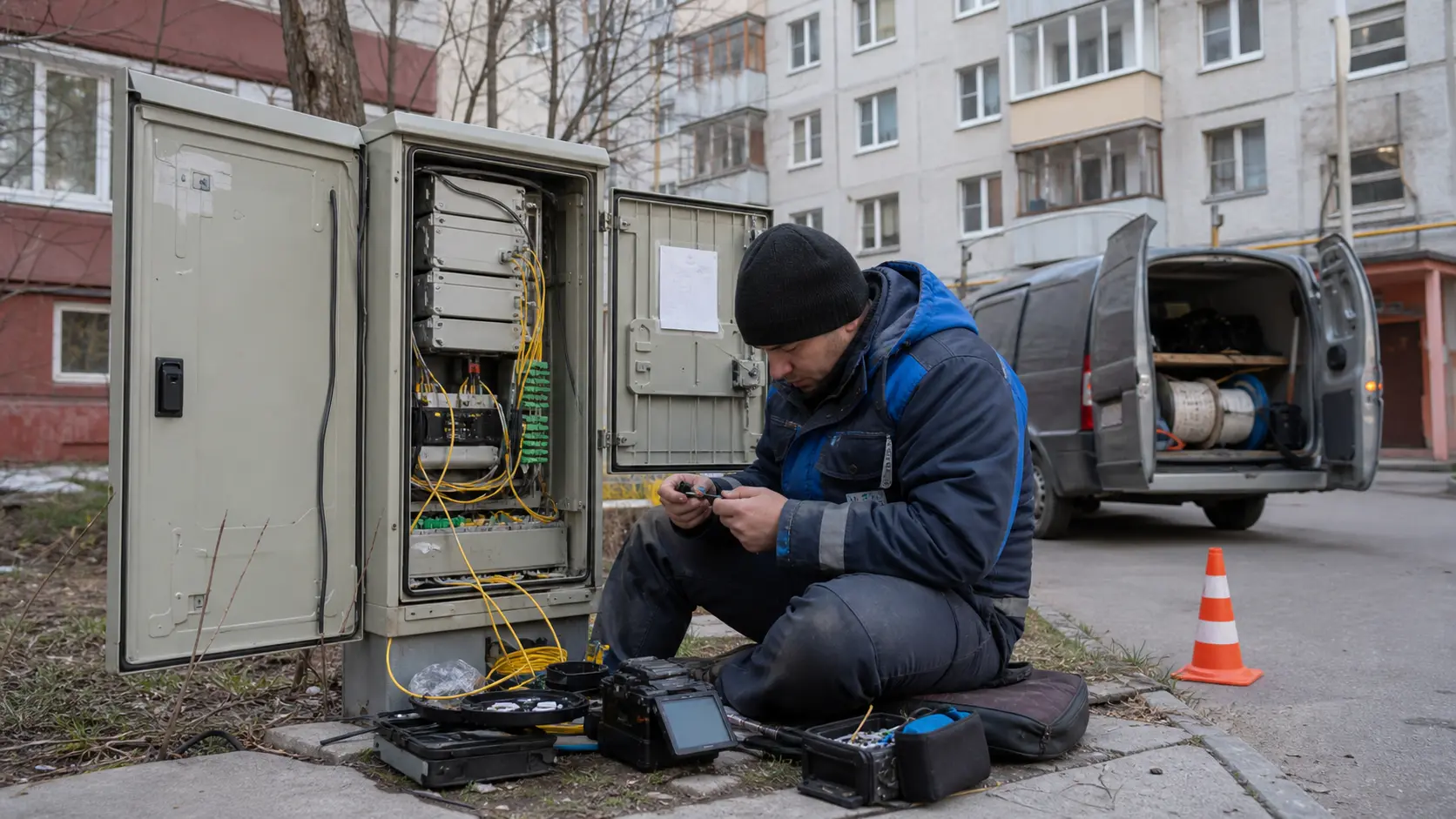
RELCOM-SPB must turn network position into cash after upstream and equipment costs
RELCOM-SPB is not a story about a new challenger buying scale; it is a test of whether an old Saint Petersburg network position, a live LIR function, scarce IPv4 inventory and a small set of colocation, access and telephone services can still produce retained cash after upstream…
Europe and Middle East Regional ISP
Telcomnet must make recurring access cash finance the next equipment cycle
One port on Telcomnet's Moscow access network is only a good asset if the monthly invoice left after transit, support, collections, compliance storage and replacement reserves can pay for the next router, switch, optical span and customer visit before the present equipment is…

Europe and Middle East Regional ISP
TeleTower must keep occupied infrastructure ahead of fixed site and replacement costs
One Moscow data-center rack is enough to expose the economics of Limited Liability Company "TeleTower": the revenue line can look resilient when colocation, cloud, software rental and connectivity are bundled, but the judgment turns on whether recurring customer demand stays…

Europe and Middle East Regional ISP
TTK-Svyaz must earn more than the spread between bought capacity and supported access
One TTK-Svyaz customer invoice is not simply a monthly access fee; it is a claim on upstream capacity, a field-service promise, an equipment decision, a billing and collection process, and a small wager that the household will stay connected long enough for the retained…

Europe and Middle East Regional ISP
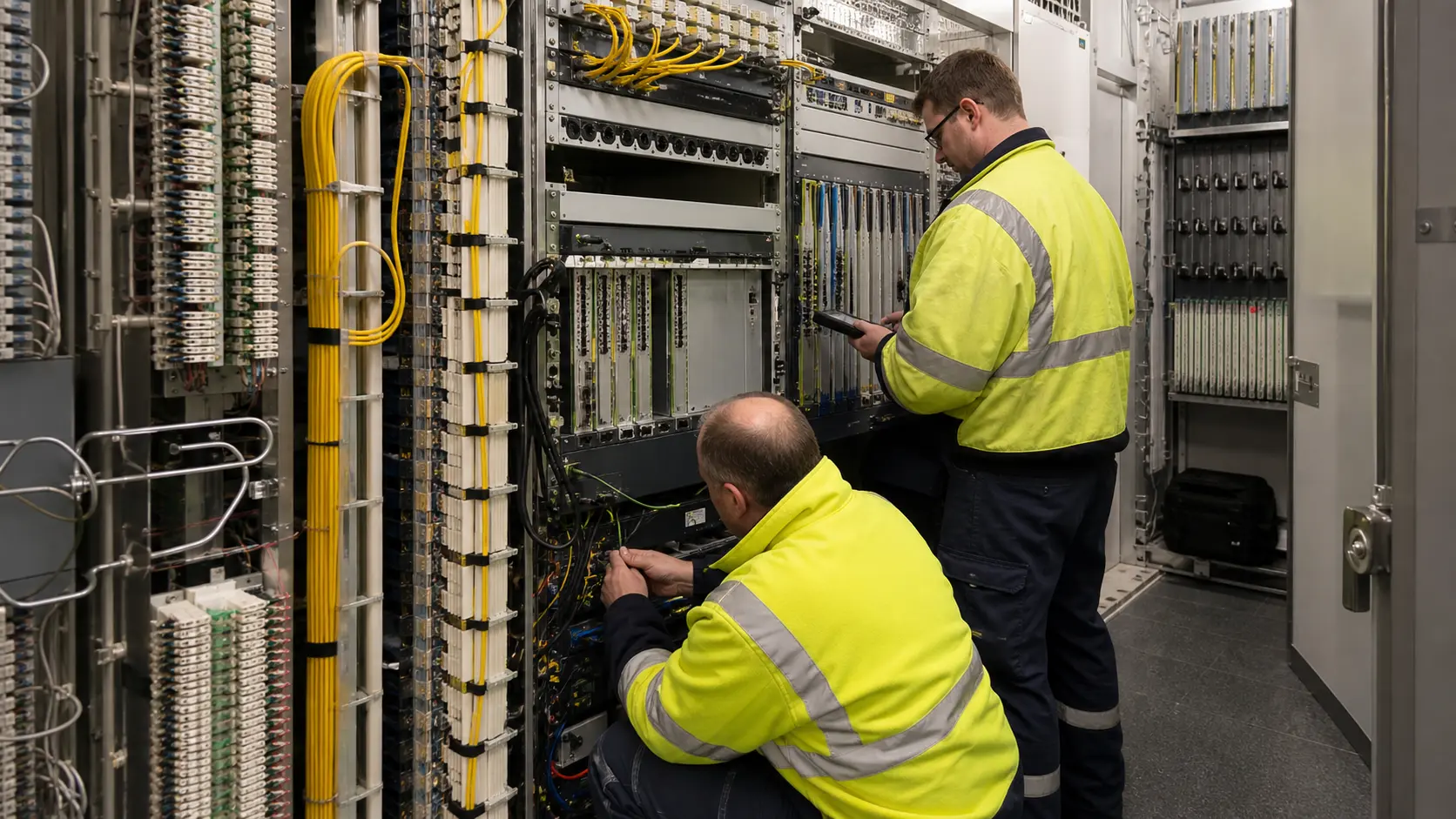
VLADINFO must turn local support into pricing power rather than permanent labour cost
VLADINFO's economic question is not whether Vladimir still needs a local fixed-line operator; the evidence says it does. The harder question is whether customers will pay enough for reachable service, field knowledge and continuity to cover transit, technicians, spares, pole…
Europe and Middle East Regional ISP
VolgoGazTelecom must make local reliability pay beyond an industrial anchor
VolgoGazTelecom looks less like a scale broadband story than a test of whether a small Samara operator can turn old fixed-line rights, scarce local field knowledge and a modest IP network into enough recurring contribution to cover wholesale capacity, truck rolls and renewal…

Europe and Middle East Regional ISP
WELLCOM-L must turn reachable local service into retained margin
WELLCOM-L is not an abstract regional ISP story: it is a Lytkarino access operator whose economics turn on whether one reachable line can earn enough monthly contribution to pay for the truck roll, access equipment, support contact, upstream capacity and later replacement work…

Europe and Middle East Regional ISP
YarTranzitTelecom must keep transport utilisation ahead of fixed network cost
YarTranzitTelecom is not an operator whose economics can be judged from subscriber scale alone: the decisive question is whether enough paid circuits, cabinet space, cross-connects and managed infrastructure work flow through its Yaroslavl data-centre site to pay for power…

Europe and Middle East Regional ISP
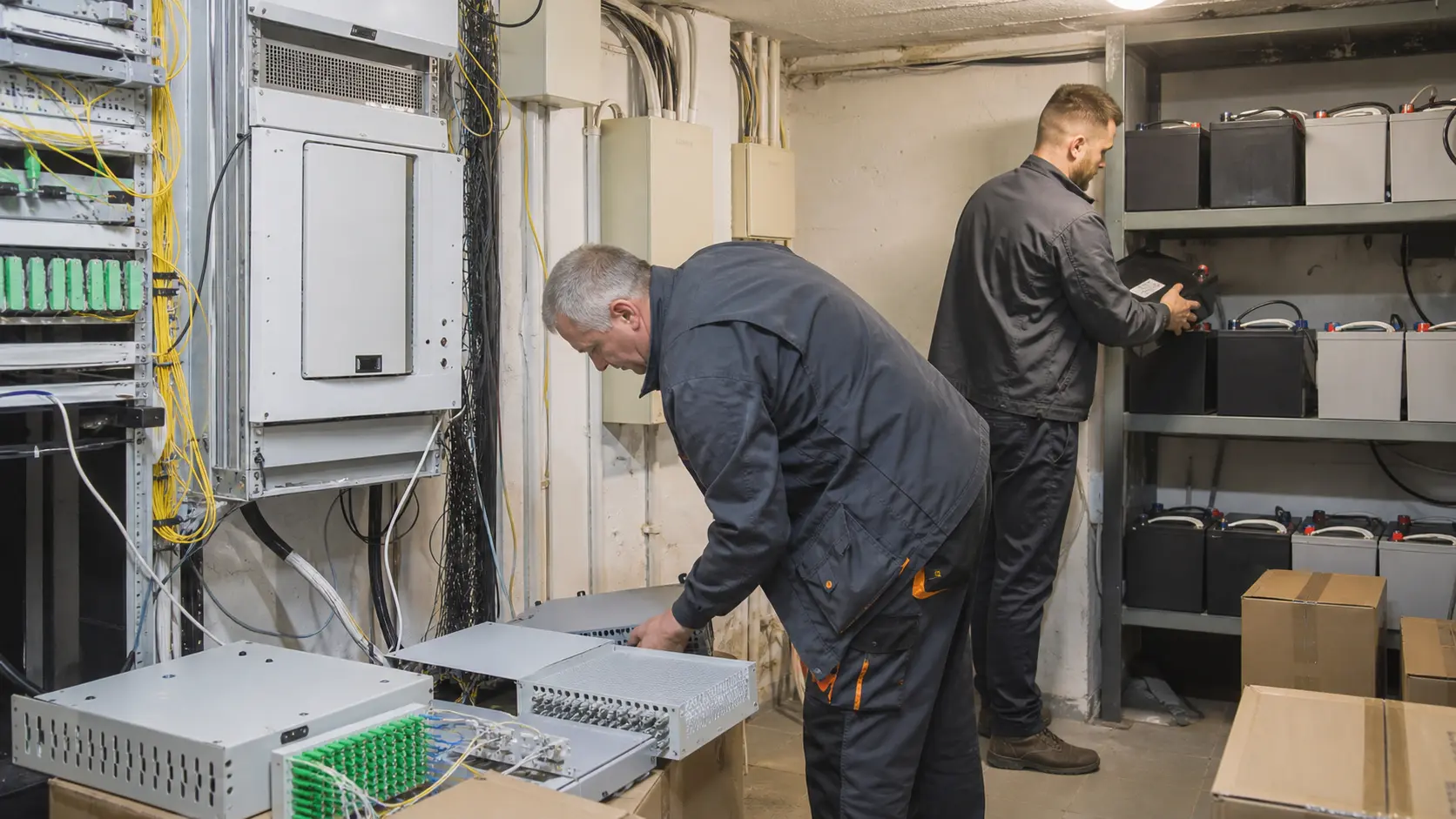
LIMNET must charge enough for continuity to finance repair and redundancy
LIMNET, LLC sells a local broadband connection in western Ukraine, but the economic product is continuity: the monthly fee has to cover fiber migration, backup power, field repair, imported electronics and enough route resilience to keep households, schools, municipal offices and…
Europe and Middle East Regional ISP
Linet must make local service revenue outrun wartime network replacement
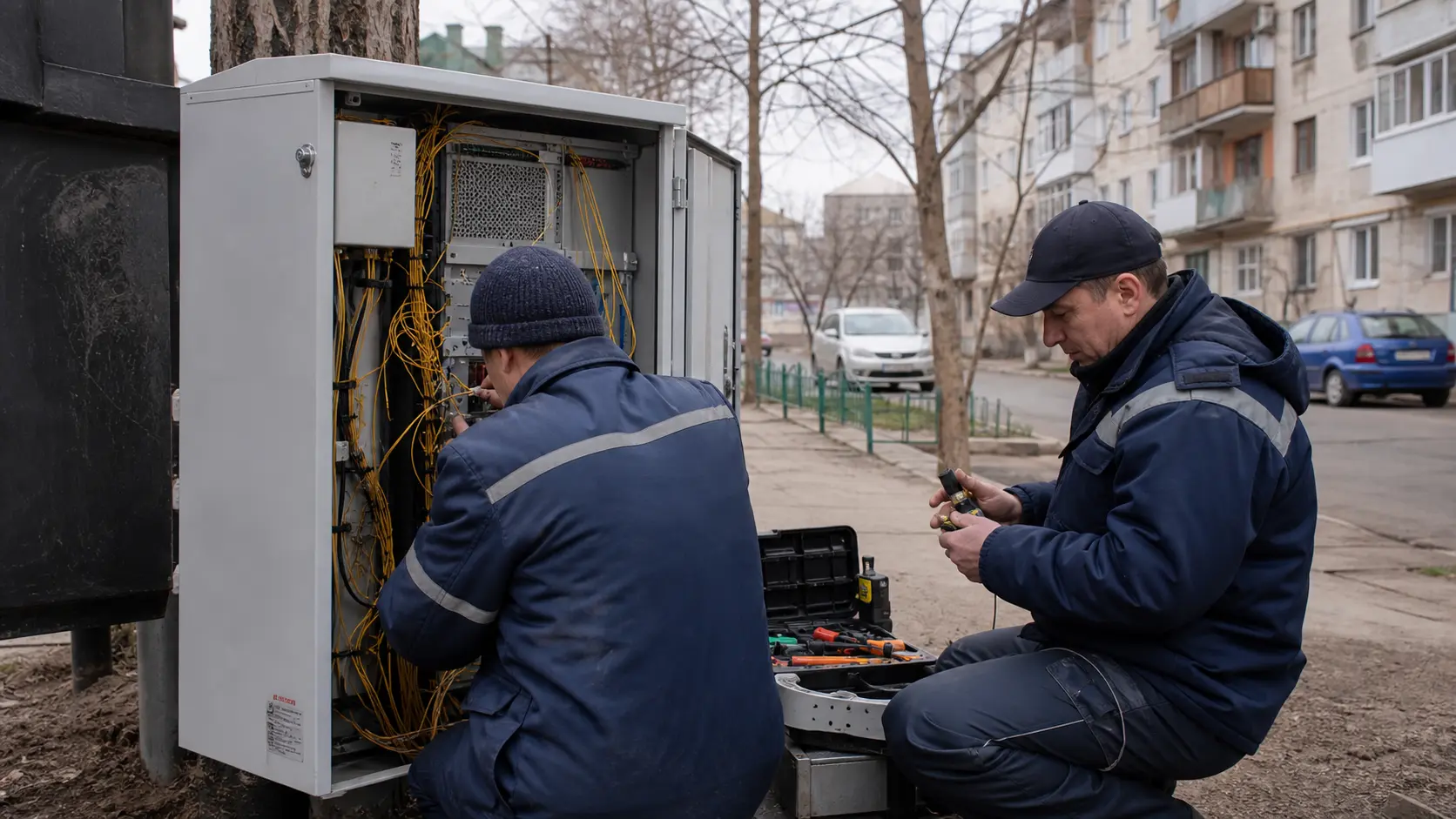
Linet, LTD is visible in the public internet evidence as a small Zaporizhzhia fixed-access operator with real address space, real BGP history and a long local record, but the investable question is whether cheap monthly service revenue can keep covering transit, support labour…
Europe and Middle East Regional ISP
Linkservice must defend local access margin against scale and currency risk
A Bender broadband invoice is not the same thing as retained economic value: for Linkservice LLC, the question is whether enough local service margin remains after equipment, upstream capacity, field support, customer migration risk and licensing uncertainty to justify the…

Europe and Middle East Regional ISP
Linyit Net must reprice access faster than inflation raises network cost
Linyit Net is a regional Turkish ISP whose tariff sheet shows the whole problem in miniature: low lira prices for residential access, much higher lira prices for symmetric business circuits, and imported network cost that does not wait politely for local customers to accept…

North America National Telecom Trends
$1.5 billion gives Verizon’s outsourced fibre model an execution budget
Bain Capital is leading a $1.5 billion investment in Eaton Fiber, with Tillman Global Holdings also reported as an investor, to support a Verizon fibre expansion targeting more than one million locations beyond its existing footprint. The capital does not mean those locations…

Europe and Middle East National Telecom Trends
Telefónica raised its cash-operating target; the definitions matter more than the headline
Telefónica lifted its 2026 adjusted operating cash flow growth target from above 2% to above 3% after reporting €2.654 billion for the first half. The upgrade is useful, but the measure is adjusted OpCFaL rather than statutory cash flow. Revenue, EBITDA, free cash flow, debt and…

Asia-Pacific National Telecom Trends
Telstra put selected apps on satellite; scarcity still designs the service
Telstra has expanded its Starlink direct-to-device service from messaging to a curated set of navigation, weather, chat, light-social and fitness apps. The launch is not general mobile data: customers need eligible plans and phones, apps must be installed before leaving…

Asia-Pacific National Telecom Trends
XLSmart and ZTE widened the AI-network agenda before proving its economics
XLSmart and ZTE have signed a memorandum covering AI across radio, transport, core and operations, alongside wider 5G and fixed-wireless ambitions in Indonesia. The scope is strategically large, but the evidence is still narrow: a company-reported implementation saved more than…

Asia-Pacific National Telecom Trends
PTCL’s 62% growth headline measures a bigger perimeter, not a sudden telecom boom
Pakistan Telecommunication Company Limited reported a 62% increase in group revenue for the first half of 2026 after bringing Telenor Pakistan into its accounts. The cleaner operating comparison is smaller: standalone PTCL revenue rose 8%. A third number — more than 74 million…

Europe and Middle East National Telecom Trends
Orange’s 5% EBITDAaL growth contains a 3.7% underlying business
Orange raised its 2026 guidance after first-half revenue reached €20.9 billion and EBITDAaL €6.1 billion. The headline acceleration is real, but not uniform: French wholesale items lift the comparison, Africa and the Middle East carry the strongest operating growth, Orange…

Europe and Middle East National Telecom Trends
Openreach’s discount targets the customer altnets need next
Ofcom proposes to make Openreach withdraw a discount of up to £9.50 a month for as long as 30 months on full-fibre customers above an ISP’s normal flow of new sign-ups. The competition concern is not a general low price. It is a dominant wholesale network concentrating a large…