
Europe and Middle East Companies
Europe and Middle East Companies
Europe and Middle East company intelligence maps internet infrastructure operators, cloud service providers, telecom networks, data centre companies, registries, alliances, standards bodies, and institutional market actors across European and Middle Eastern internet infrastructure markets.

Latest Coverage
Latest from Europe and Middle East Companies
1,330 articles

Europe and Middle East Regional ISP
IPbnb's Scarcity Test: Can an Idle /24 Pay After Abuse, Vacancy and Cloud Substitutes?
The customer who leases scarce address capacity is buying time, not elegance. IPBNB PTE. LTD. can win only if the rent on temporarily controlled IPv4 space is large enough to pay owners, absorb vacancy, police abuse, satisfy registries, collect from renters and still beat the…

Europe and Middle East Regional ISP
ISEC Group's switching-cost bargain
A regulated client renewing with ISEC is not only buying software access. It is buying the avoidance of a painful migration through fund records, investor documents, regulatory reporting, board oversight and operating routines, and the economic question is whether ISEC can turn…
Europe and Middle East Regional ISP
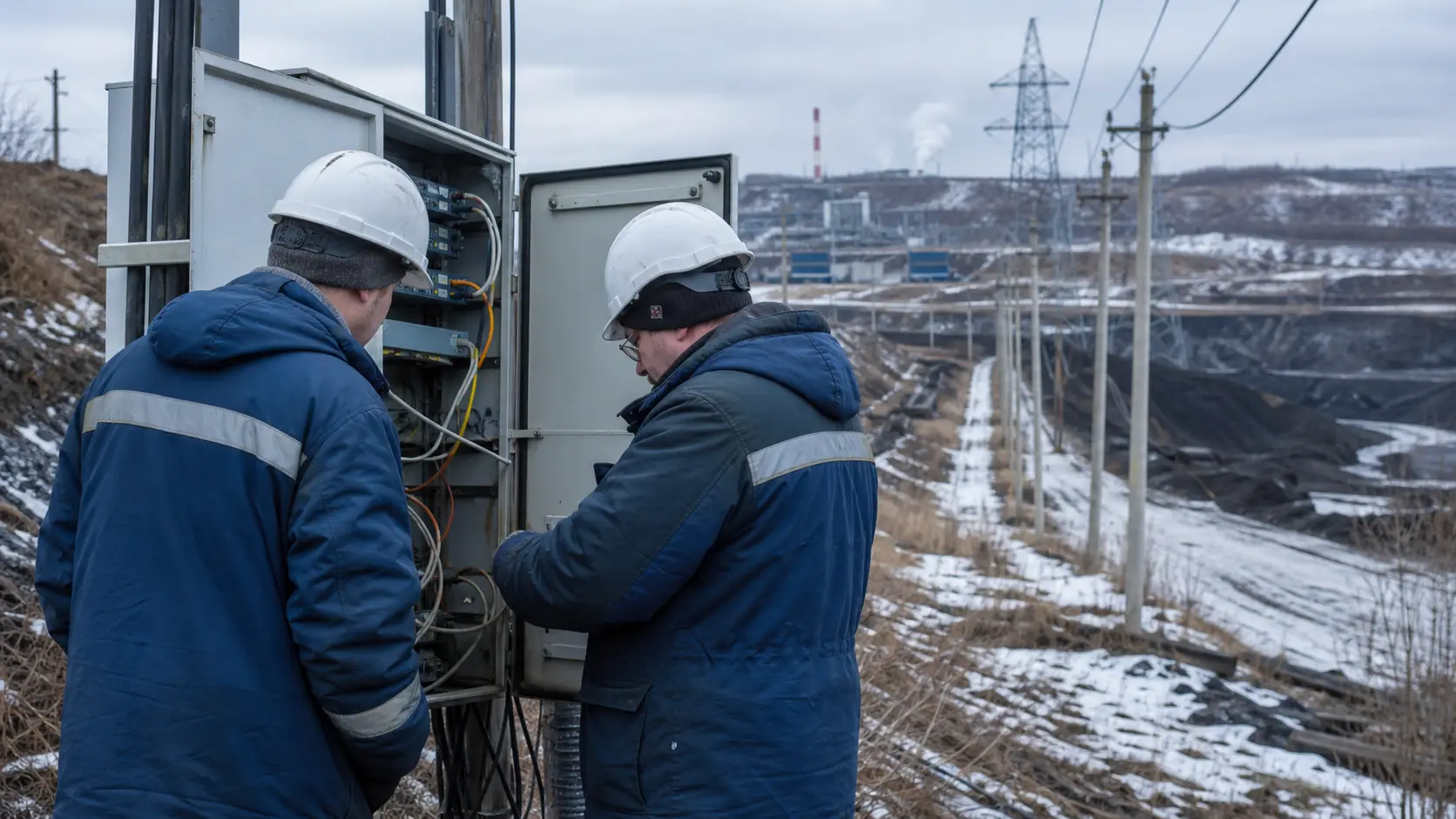
Kuzbassenergosviaz Must Make an Industrial Network Pay Outside Its Captive Base
Joint Stock Company Kuzbassenergosviaz is not a conventional growth story. The company sits on licensed fixed-line communications rights, an old but still visible block of IPv4 resources and a public product list that points toward energy-system communications, local telephony…

Europe and Middle East Regional ISP
IVT Office must make local accountability exceed commodity IT prices
IVT Office LLC is not an infrastructure giant hiding behind a modest website. The public evidence points to a small Moscow service firm whose economics depend on a harder bargain: persuading local offices that accountable support, repair judgment, accounting-software familiarity…

Europe and Middle East Regional ISP
Arctictelecom must make remote reliability carry extreme network costs
Arctictelecom is not trying to win an ordinary regional broadband market. It is being asked to turn public capital, harsh geography and thin local demand into a network that behaves as if remote Yakut settlements were commercially dense. That can work only if the company keeps…

Europe and Middle East Regional ISP
Medsi's digital clinic must turn appointments into better economics
Medsi has the asset base, brand and patient flow to make digital healthcare matter. The harder question is whether its software makes doctors, rooms and diagnostic equipment more productive, or merely gives a large private clinic chain a more modern front door.

Europe and Middle East Regional ISP
InterKey must price enterprise integration above vendor pass-through
The attractive version of InterKey Company for Communication and Computer is not a reseller story. It is a Saudi enterprise-integration story in which cloud, AI, messaging, observability, telecom equipment and compliance work become a single operating burden that large customers…

Europe and Middle East Regional ISP
Internetten Teknoloji must keep hosting margin ahead of currency risk
A local renewal quote is the cleanest way to understand Internetten Teknoloji. The company can sell a venue a router, a hotspot licence, a logging service and support in Turkish lira, but much of what sits behind that sale is priced by global hardware vendors, software licences…

Europe and Middle East Regional ISP
International Maritime Industries must make shipyard scale outrun fixed capital
A shipyard slot sold for delivery years in the future is not revenue quality by itself. For International Maritime Industries, the question is whether Saudi Arabia's largest maritime yard can turn strategic demand from Aramco-linked and Bahri-linked customers into repeatable…

Europe and Middle East Regional ISP
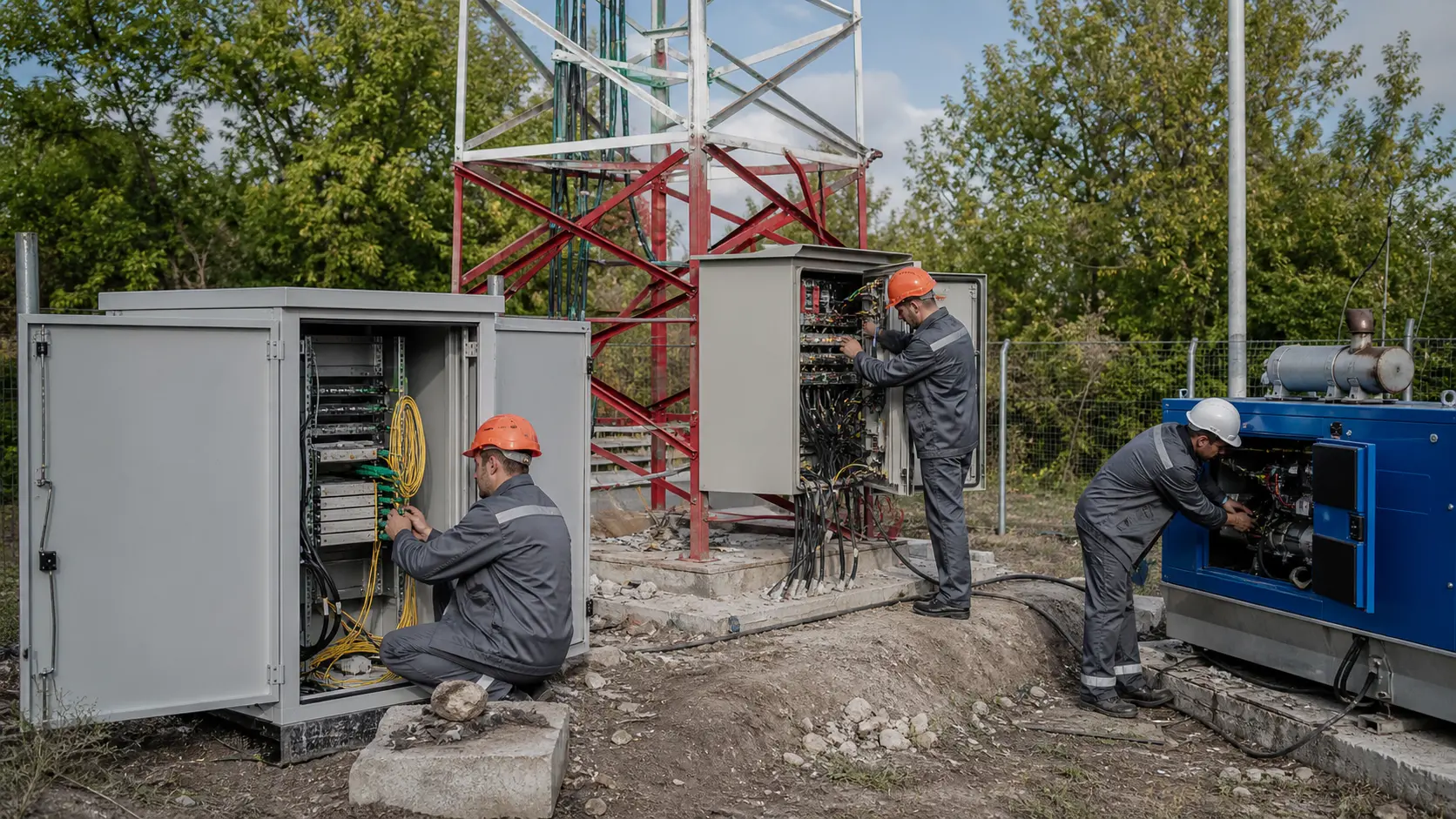
Interphone Must Make Cheap Connectivity Pay For Continuity
A communications bill in Mariupol is not only a charge for megabits or minutes. It is a monthly claim on scarce technician time, imported or hard-to-source equipment, local payment handling, Russian regulatory compliance, and the physical ability to keep a line working in a city…
Europe and Middle East Regional ISP
Intertelecom must make continuity pay before spectrum does
A subscriber who keeps an Intertelecom number in 2026 is not buying the fastest mobile network in Ukraine. The buyer is paying for continuity: a remembered number, a city-line substitute, a small office voice setup, an Odesa technician, a low monthly bill, or a backup path that…

Europe and Middle East Regional ISP
ForestNet must make local network density pay beyond cheap access
ForestNet LLC is not trying to win the whole Russian broadband market. Its real test is narrower and harsher: whether a small St. Petersburg-area fibre operator can turn garden associations and cottage settlements into enough recurring cash to pay for upstream capacity…
Europe and Middle East Regional ISP
Fusion Media must show where network control ends and customer revenue begins
Fusion Media Limited has a real public network footprint, but the economic test is not whether it can originate address space. The test is whether control of a small, credible routing estate strengthens a global financial-media business whose cash comes from attention…

Europe and Middle East Cloud Services
Galaxy Software must make specialist hosting support earn more than rented infrastructure
The customer who makes Galaxy Software LLC economically interesting is not buying a bare virtual machine. That customer is paying someone to keep telecom-sector software, messaging controls, anti-spam logic, fraud protection and hosted operations accountable when a campaign…

Europe and Middle East Regional ISP
GalaxyStar must make a small routed footprint produce paid local density
GalaxyStar must make a small routed footprint produce paid local density intelligence summary explains the development, the public evidence available to readers, the organisations involved, the regional context, market exposure, and the infrastructure consequences that may…

Europe and Middle East Regional ISP
Infosecurity must turn incident transfer into durable security margin
A customer pays Infosecurity Ltd to move the daily burden of security monitoring, incident triage and regulatory evidence out of its own cost base. The trade is attractive, but the margin is not automatic: Infosecurity has to make subscription pricing cover scarce analysts…

Europe and Middle East Regional ISP
GIBIRNET must make cheap 100 Mbps broadband pay after the access bill
GIBIRNET sells Turkish fixed broadband on a simple promise: fast, unlimited, no long lock-in and a headline price below many visible alternatives. The economic question is whether that promise leaves enough cash after wholesale access, installation, support, equipment, churn and…
Europe and Middle East Regional ISP
Informatsionnye Tekhnologii must turn local network control into accountable service revenue
The economic incentive is straightforward: a local network operator can earn defensible recurring revenue only if its control of routes, wires, support, billing and building-level services is tight enough that households and small businesses keep paying despite cheaper national…

Europe and Middle East Regional ISP
Vilna Ukraina Must Make River Mall's Reach Pay for Resilience
River Mall can charge tenants, shoppers and promotion partners only if the destination remains reachable, powered and commercially alive. The company's small autonomous network footprint is useful, but the investment case still turns on whether mall revenue can cover power…

Europe and Middle East Regional ISP
Informational-measuring systems must prove a routed footprint has paying industrial demand
The economic incentive is simple: MOSNET can earn recurring revenue only if a narrow local access footprint turns building control, routing credibility and service labor into customers who stay long enough to cover upkeep. The record shows a real Russian regional ISP with…