

- Understanding the Class C IP address range and its significance
- Class C addresses and their role in modern networking
What is a Class C IP address?
Class C is one of the five primary classes of IP addresses (A, B, C, D, and E), and it is specifically designed for small to medium-sized networks. The Class C IP range is used when a network needs to support up to 254 devices, making it ideal for many types of businesses, local area networks (LANs), and internet service providers (ISPs).
Class C addresses are commonly used for home networks, small offices, and organizations that do not require large networks. Class C IP addresses fall within the range of 192.0.0.0 to 223.255.255.255.
It is important to note that the first three octets in a Class C IP address are used for network identification, and the last octet is reserved for host identification. This allows for up to 254 unique devices or hosts within a single network.
Also read: Static IP addresses: The pillars of stable digital connectivity
Also read: What’s the difference between static IP and dynamic IP?
The structure of a Class C IP address
An IP address consists of four groups of numbers, separated by periods. Each group, called an “octet,” represents 8 bits, allowing for a total of 32 bits in an IP address. Class C IP addresses specifically follow a structure where the first three octets are used for the network address, and the final octet is used for the host address.
For example, in a Class C IP address like 192.168.1.1, the network part is 192.168.1, and the host part is 1. This means that all devices on the 192.168.1.x network share the same network address, and the .x is used to identify individual devices within that network.
The subnet mask used with Class C addresses is typically 255.255.255.0. This indicates that the first three octets (192.168.1) represent the network, and the last octet (.x) represents individual hosts within that network.
This allows for up to 254 hosts on a Class C network, since 0 and 255 are reserved for network and broadcast addresses.
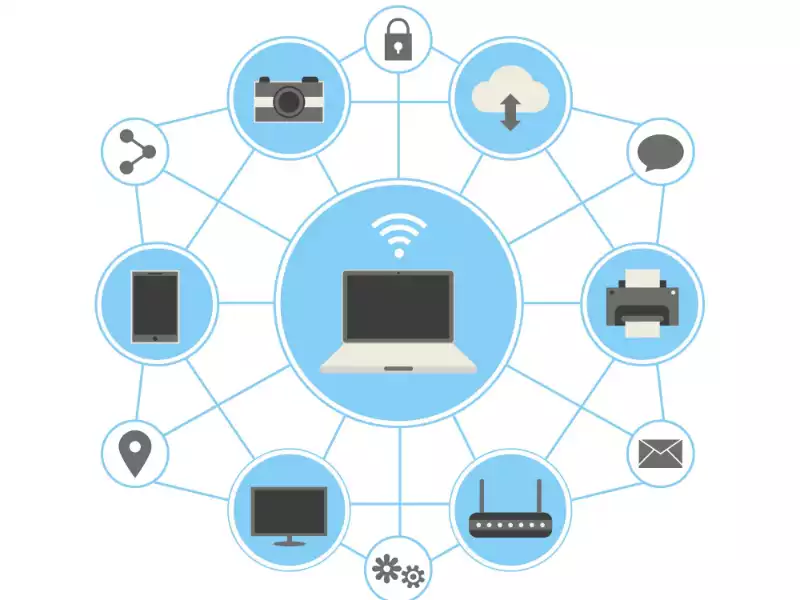
IP address range and subnetting
Class C IP addresses are popular in private networks and are frequently used in home routers and small office environments. The subnet mask, 255.255.255.0, allows for a network of up to 254 devices, as explained earlier. However, subnetting is often used to divide the Class C network into smaller sub-networks (subnets).
For example, if a company wants to divide its 192.168.1.0/24 network into smaller subnets for different departments, subnetting would allow the network administrator to assign IP ranges like 192.168.1.0/26 or 192.168.1.64/26, effectively creating smaller subnetworks within the original Class C range. Subnetting helps manage IP addresses more efficiently, ensuring that there are no wasted addresses while maintaining network performance.
Also read: What is a static IP address?
Also read: How changing IP addresses impacts web performance and security
Common uses of Class C IP addresses
Class C IP addresses are commonly used in a variety of networking scenarios. Some of the most common uses include:
Private Networks: Many home routers and small office networks use Class C IP addresses to assign local IP addresses to devices. These IP addresses typically fall within the 192.168.x.x range, which is designated for private networks, and are used in conjunction with Network Address Translation (NAT) for internet connectivity.
Small Businesses: Class C IP addresses are often used in small to medium-sized businesses that need to connect fewer devices. For example, a company with 100 employees might use a Class C network to assign IP addresses to each employee’s computer, printer, and other networked devices.
ISPs: Internet Service Providers may use Class C IP ranges to assign static IP addresses to residential or small business customers. A customer would receive a static IP address from a pool of available Class C addresses.

Benefits and limitations of Class C addresses
Class C IP addresses offer several advantages:
Efficient for Small Networks: Class C addresses provide an efficient solution for smaller networks. They support up to 254 hosts per network, which is ideal for most small businesses and home networks.
Ease of Configuration: Class C addresses are easy to configure, especially for network administrators who are setting up home or small office networks. With subnet masks like 255.255.255.0, setting up devices is straightforward.
However, there are some limitations to Class C addresses:
Limited Scalability: Class C networks are not suitable for large enterprises or data centres that require thousands or even millions of devices. Networks requiring more than 254 hosts need to look into Class B or Class A addresses or implement advanced networking techniques like subnetting.
Fragmentation of Address Space: As IP address space becomes more constrained, Class C networks can become fragmented. This issue has driven the adoption of IPv6, which offers a much larger address space for networks with higher demands.