
Topic
Network-resource Evidence
Within the Topic facet, Network-resource Evidence topic intelligence connects articles that share a specific subject, signal focus, or monitoring theme. The page gives readers a richer path through related reporting, source evidence, market actors, and infrastructure implications, with enough context to understand why the topic matters across company movements, governance decisions, regional exposure, and operational risk. Readers can compare recurring signals, affected organisations, public evidence, market context, service continuity, procurement, competition, compliance, and strategic planning questions behind the subject instead of stopping at a thin list of matching articles. It explains what the topic covers, which infrastructure actors or policies are involved, what evidence supports the coverage, and why the subject may matter for operators, customers, investors, and policy readers.
CASE FILE
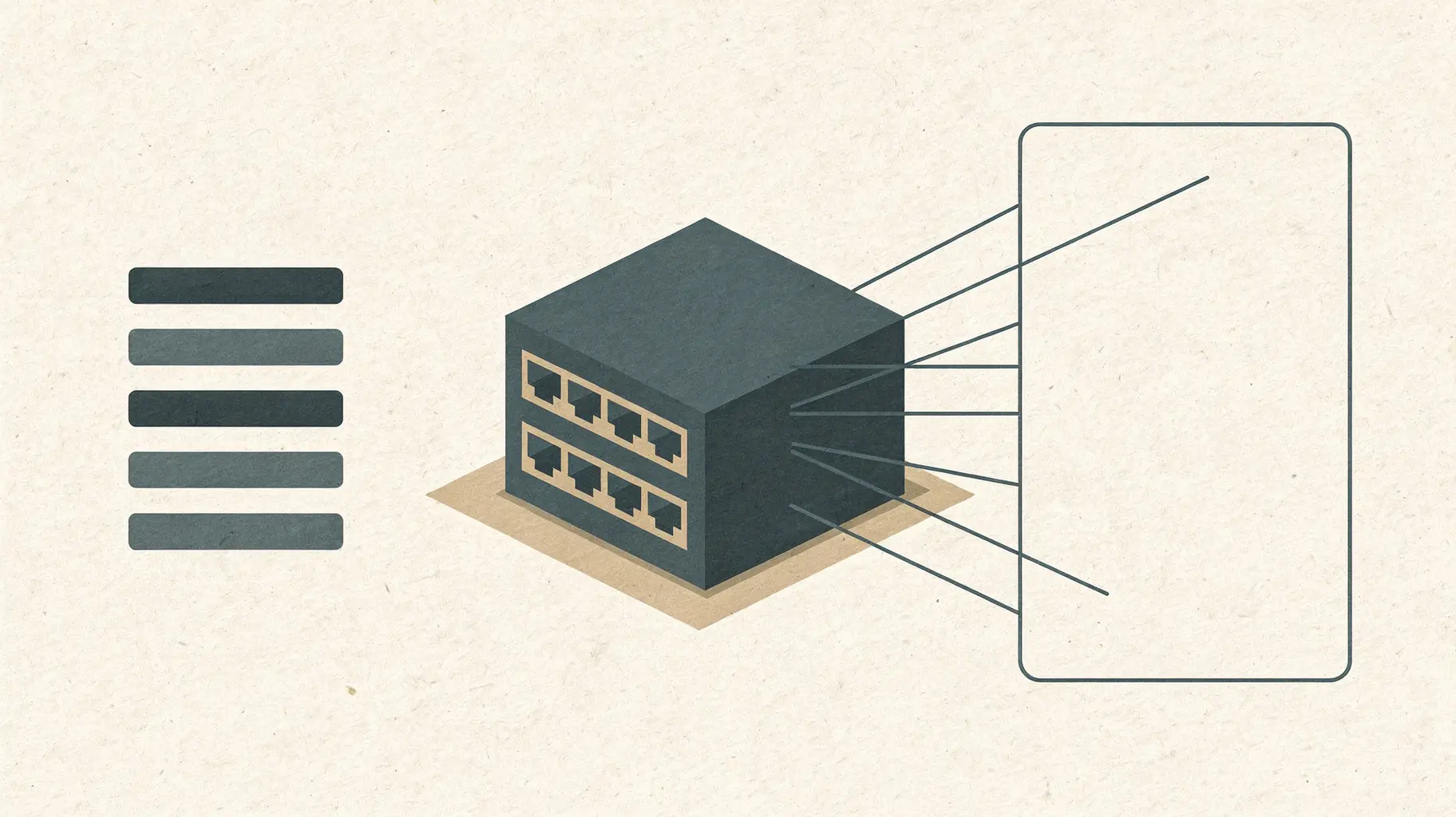
Five Sites, 67 Customers, No Per-Port Load: FICIX and the Utilisation Ratio That Cannot Be Built
Between 21:38 and 21:44 UTC on 18 October 2026, three public documents bearing on Finland's largest internet exchange were retrieved and retained. They establish what FICIX says it is, what interface speeds it offers, and something less comfortable: the two number classes a…

Global Cloud Services
AS211392 announces 19 prefixes and 4,864 addresses — less than a single /19
AS211392 announces 19 prefixes and 4,864 addresses — less than a single /19 intelligence summary explains the development, the public evidence available to readers, the organisations involved, the regional context, market exposure, and the infrastructure consequences that may…

North America Cloud Services
GPU.ONE's ARIN Handle Certifies a Registration, Not Compute
A Canadian corporate name, a GPU-shaped domain, and a registry handle whose technical contact points somewhere else. Read separately, they are three unremarkable records. Read together, they place a company at the registration layer and nowhere else — and the distance between…

Story
APNIC Links Three-Month Temporary IP Fees to Immediate Reassignment on Return
APNIC prices a temporary assignment by three-month periods, while its policy gives returned resources an unusually short route back into the assignment pool: once they are returned before the end date, they skip ordinary quarantine and are immediately available for another…
Leaders
The Contact Field Read as a Role: Sunsern Sukwanichpaiboon and Seven Thai Network Numbers
The Contact Field Read as a Role: Sunsern Sukwanichpaiboon and Seven Thai Network Numbers intelligence summary explains the development, the public evidence available to readers, the organisations involved, the regional context, market exposure, and the infrastructure…

Europe and Middle East Institutional
Alcatel Submarine Networks: a cleared owner, an unmeasured fleet
The French State's purchase of Nokia's subsea business is visible in an announcement and a competition record that resisted every attempt to read them as text on 18 October 2026. The supplier's ships, plants and order positions were not visible at all — and that asymmetry, not…
Africa Regional ISP
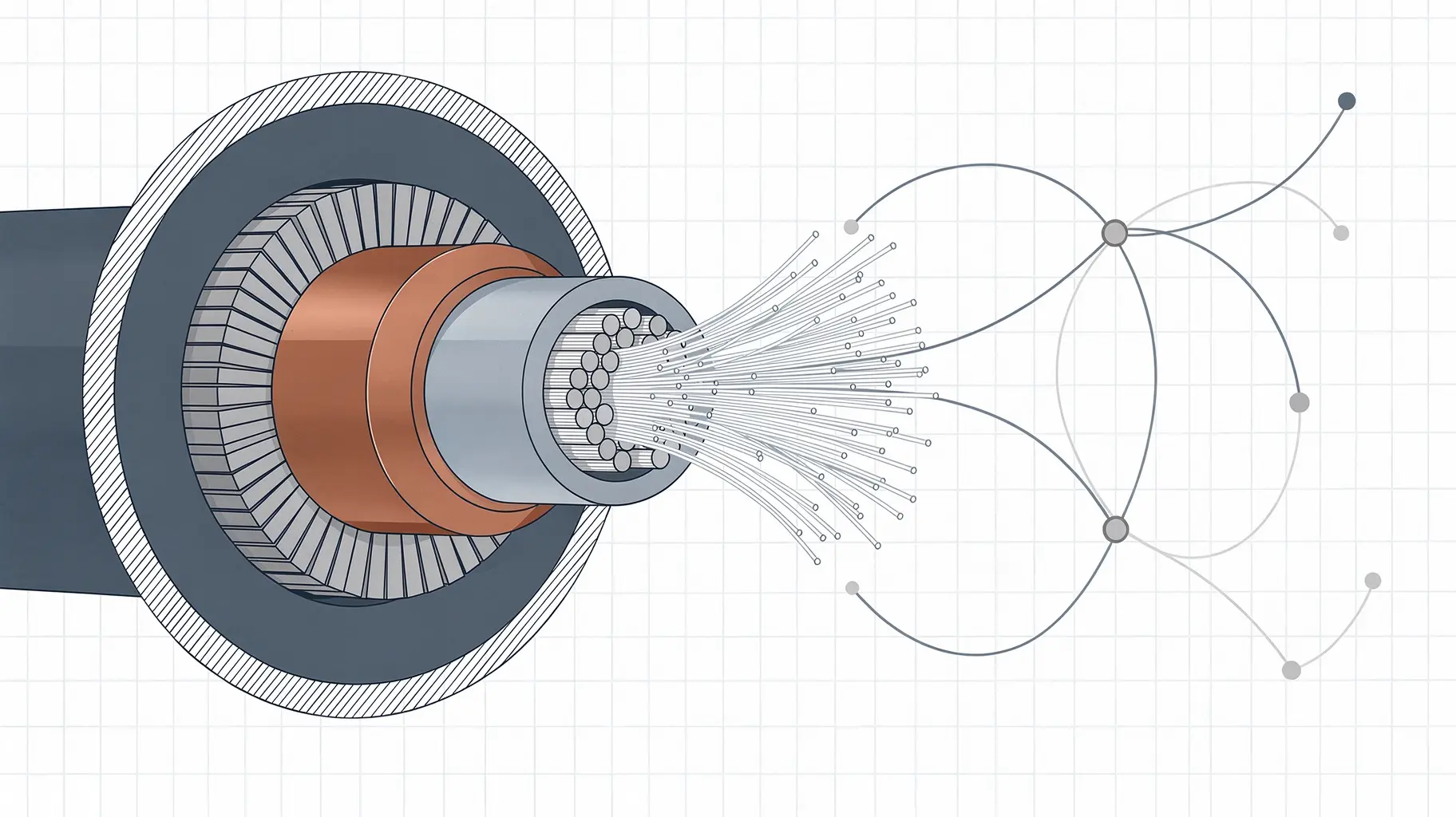
The ownership verb: what WIOCC's homepage claim actually measures
On 18 October 2026 WIOCC's own front page began stating a position in two named submarine systems. The same block gave three counters that each carry a unit, and the independent record retained alongside it counts routing adjacencies, not fibre. The gap between those two kinds of…

Story
AFRINIC’s 2024 RPKI baseline cannot be rebuilt from its current daily export
AFRINIC’s 2025 annual report gives a precise four-number picture of RPKI at the end of 2024. Its public daily file now gives a different picture: two of those numbers sit together on 31 December, two others on 1 January, and no date in the downloaded history brings all four…
Europe and Middle East Institutional
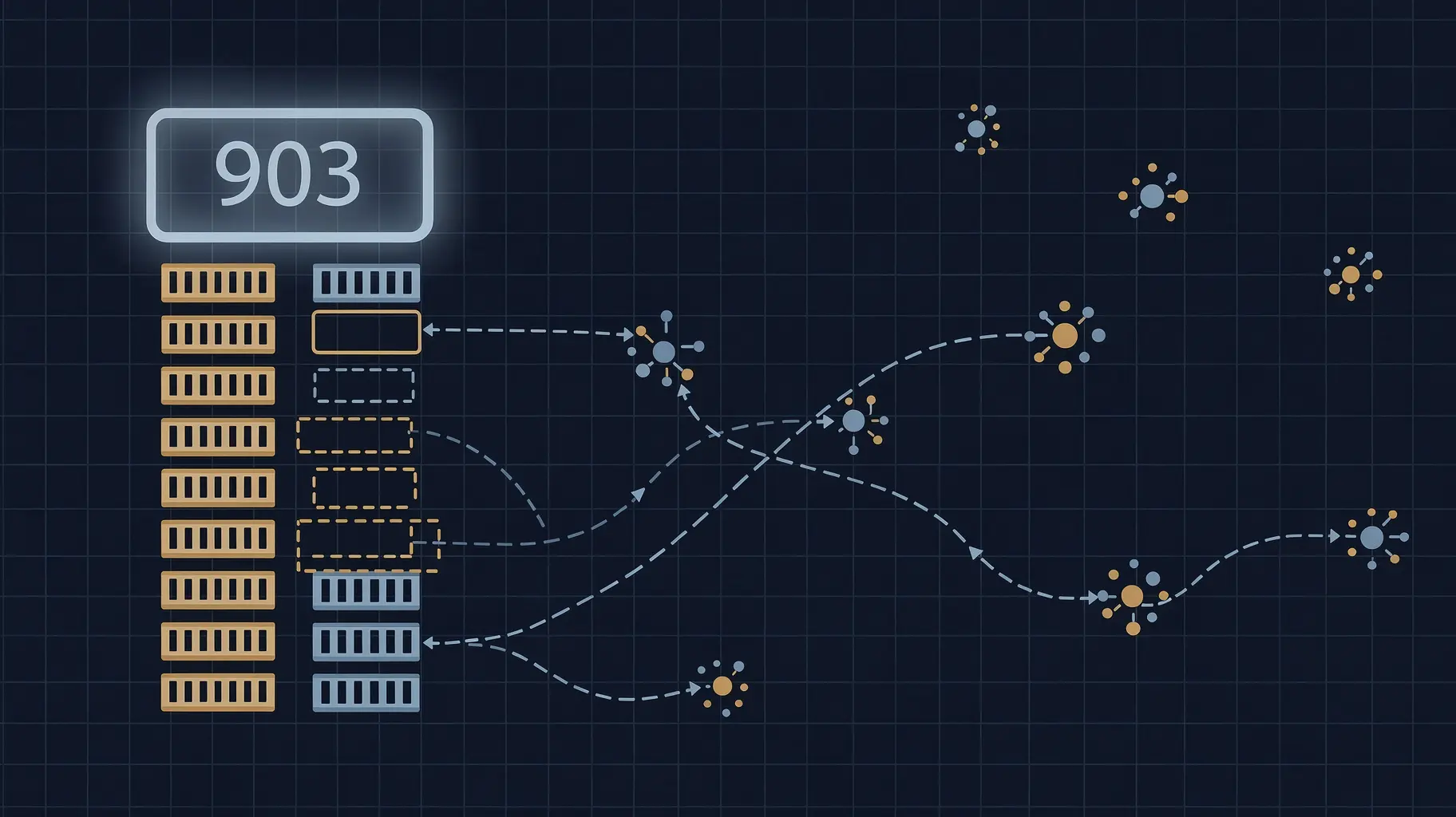
903 Connected Networks, Undefined: What AMS-IX's Headline Number Does Not Say
On 18 October 2026 the Amsterdam Internet Exchange displayed one number for its own size. The retained text around that number does not define what it counts — and in an interconnection market where the count is quoted in sales decks, procurement memos and site-selection…

North America Regional ISP Trends
Eastlink says its 5G core is ready. Its service footprint remains unreported
Eastlink’s 14 October announcement puts a completed Nokia 5G standalone core beside C$12 million in additional network work and 180 sites still in progress. Those figures describe different layers; the release does not identify where customers can use 5G standalone or report…

Leaders
A letter addressed to a title: the Philippine research network, and the record that does not name Denis F. Villorente
A letter addressed to a title: the Philippine research network, and the record that does not name Denis F. Villorente intelligence summary explains the development, the public evidence available to readers, the organisations involved, the regional context, market exposure, and…

Asia-Pacific National Telecom
NBN Co is closing the capacity dial its retailers spent a decade turning
For years the wholesale tariff priced two different things: a monthly charge per service and a separate charge per megabit of busy-hour capacity. The record available to this desk on 18 October 2026 says the second is being folded into the first. That is reported rather than…

IETF
IETF Administration LLC: the charter that defers to an unread agreement
The document that constitutes the IETF's administrative company also tells the reader, in its own words, that its account of board responsibilities is a summary rather than the binding version. What stays readable is a map of who places directors on that board — and a single…

History
Meridian’s first in-orbit activation is a test milestone, not a network launch
Meridian Space has put a proprietary communications payload into orbit and powered it on. Its satellite partner reports two-way contact with the spacecraft, but Meridian still described the first communications link through its own payload as a next step. That gap separates an…
Asia-Pacific Regional ISP
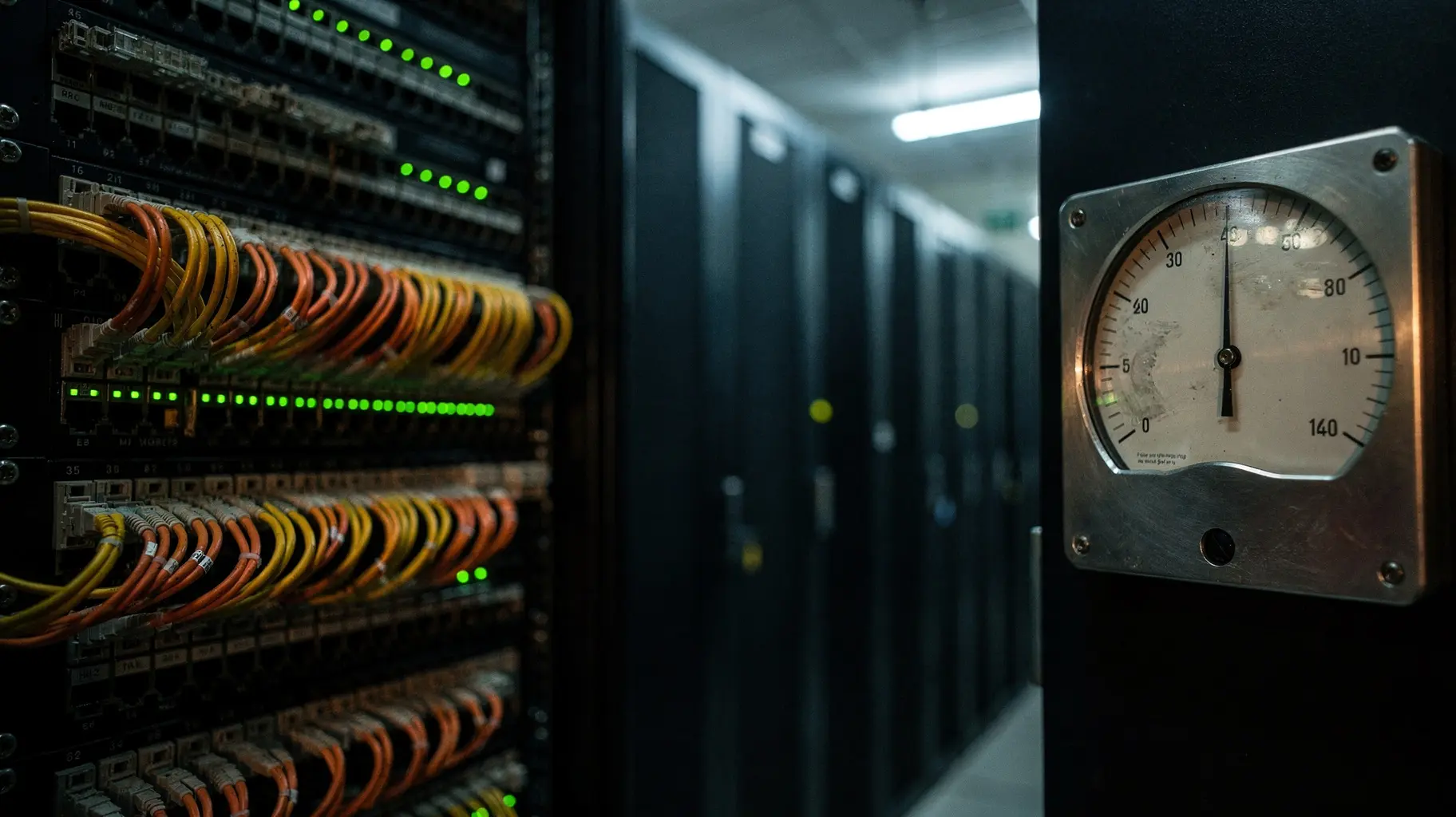
DE-CIX Kolkata: an assigned ASN, an unmeasured fabric
DE-CIX Kolkata: an assigned ASN, an unmeasured fabric intelligence summary explains the development, the public evidence available to readers, the organisations involved, the regional context, market exposure, and the infrastructure consequences that may follow. The Asia-Pacific…

Story
IANA’s AFRINIC page now shows 918 available ASNs
Two days after AFRINIC’s file and IANA’s dashboard pointed in opposite directions, both now show 918 as available. The figures carry different data dates, and the public record does not explain the change in IANA’s eligibility label.

IETF
The Administrator Without the Assets
The company that signs for the IETF publishes audited accounts, but the copyrights and marks sit in a trust that predates it, and the company's finances appear inside someone else's tax filing. The separation is ordinary legal design. What it leaves unproven is the part that…
Asia-Pacific Datacenter
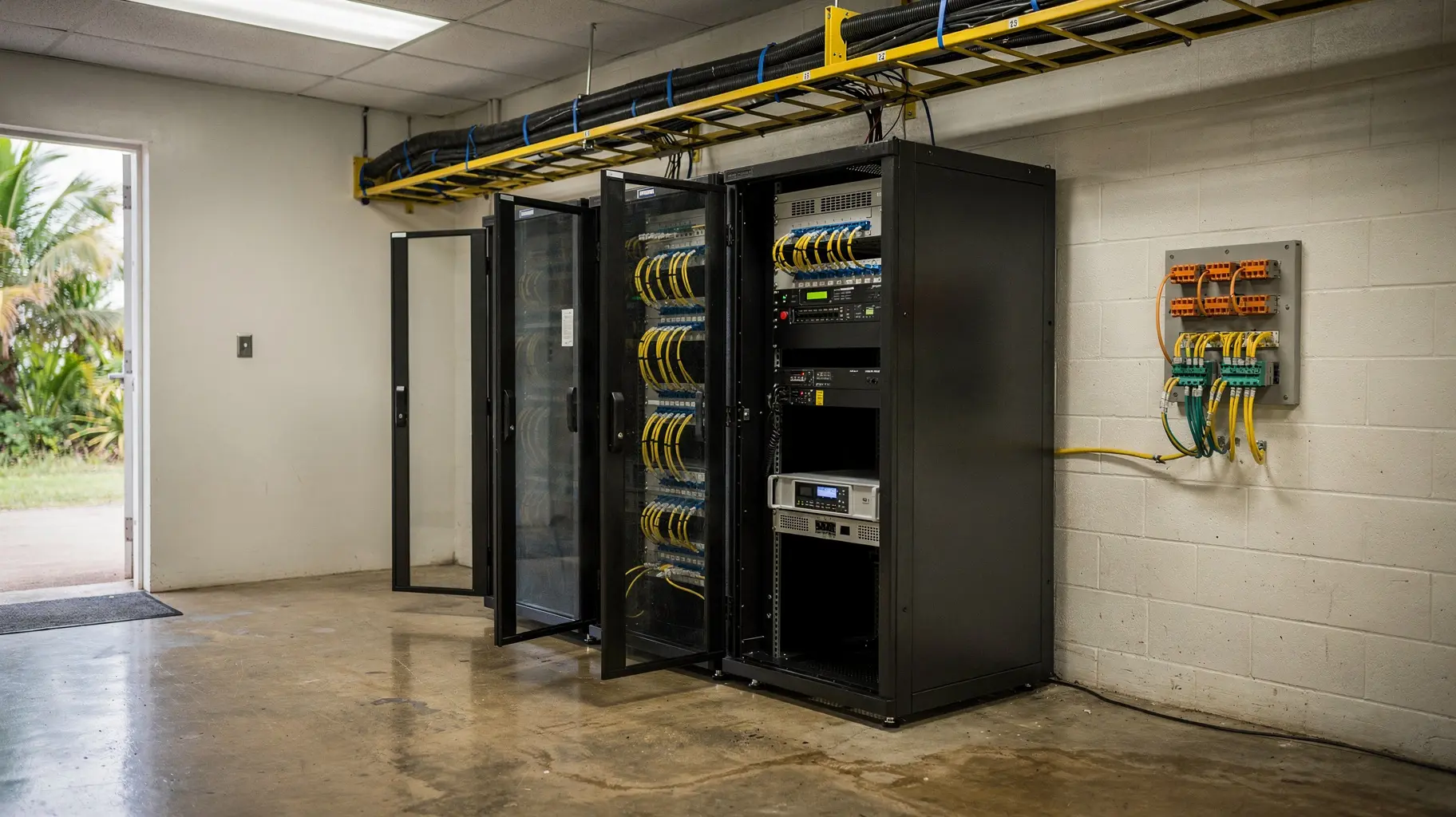
Guam Exchange: a Building, a Peering Fabric and an AS Number Under One Name
The BTW directory record for Guam Exchange carries exactly one citation: an autonomous-system query that returned no readable registry text when I retrieved it on 18 October 2026. The operator's own pages point at something more concrete — a peering fabric inside a named…

Story
One Peer’s Update Surge Delayed More Than One RIPE Collector
A burst of BGP messages arrived at RIPE RIS’s Frankfurt collector on 2 October. The record says the resulting processing stall also delayed update files from other collectors, exposing a question about shared pipeline capacity and the evidence needed to declare recovery.
History
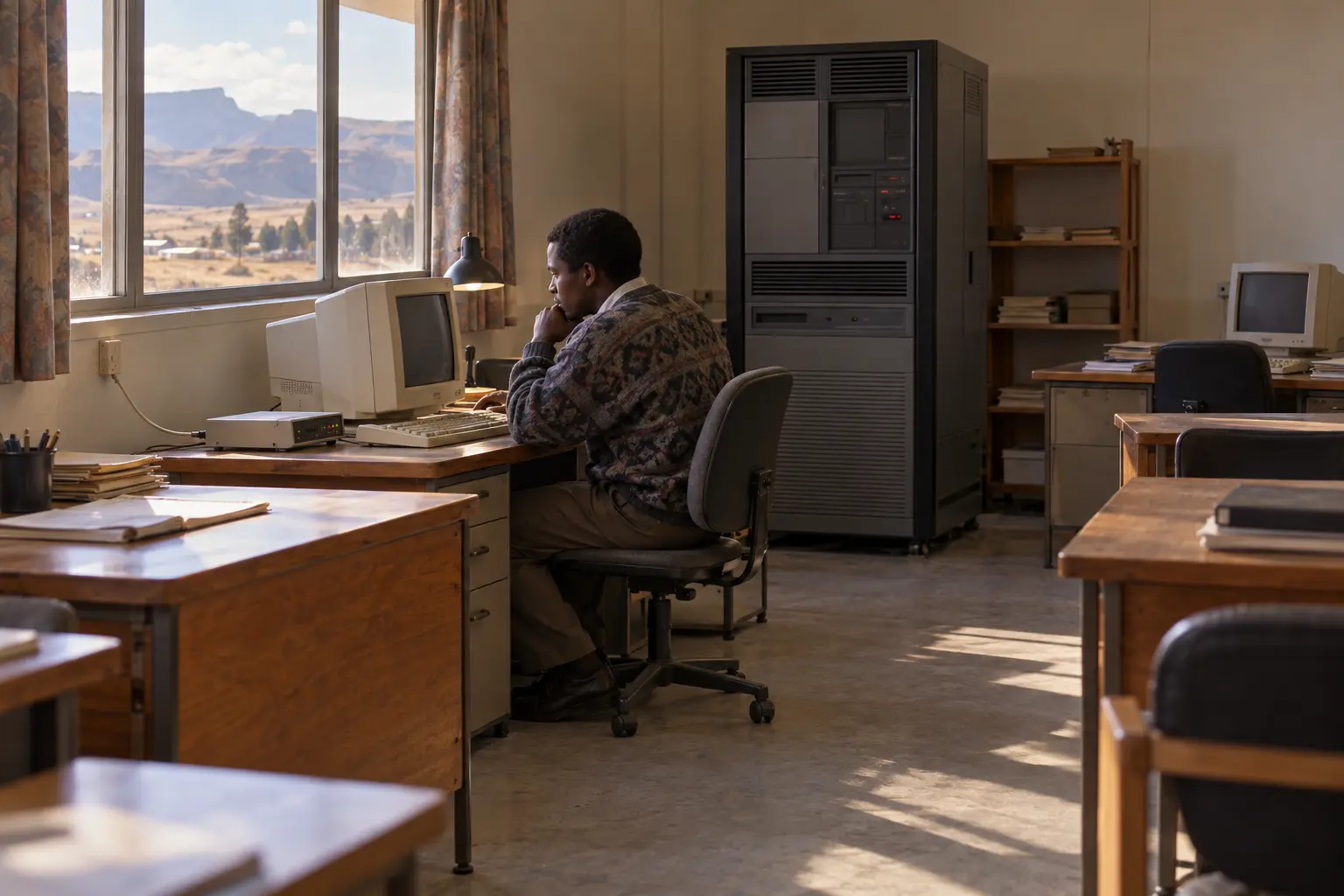
A Link Reached Roma; Campus Access Still Had to Be Built: Lesotho, 1996–99
A 9.6K terrestrial connection put the National University of Lesotho’s host online from Roma to Bloemfontein in December 1996. In the same week, the university said its campus network did not exist and planned dial-in access was not working. Three years later, a Maseru café sold…