
Topic
Network-resource Evidence
Within the Topic facet, Network-resource Evidence topic intelligence connects articles that share a specific subject, signal focus, or monitoring theme. The page gives readers a richer path through related reporting, source evidence, market actors, and infrastructure implications, with enough context to understand why the topic matters across company movements, governance decisions, regional exposure, and operational risk. Readers can compare recurring signals, affected organisations, public evidence, market context, service continuity, procurement, competition, compliance, and strategic planning questions behind the subject instead of stopping at a thin list of matching articles. It explains what the topic covers, which infrastructure actors or policies are involved, what evidence supports the coverage, and why the subject may matter for operators, customers, investors, and policy readers.
Asia-Pacific Datacenter
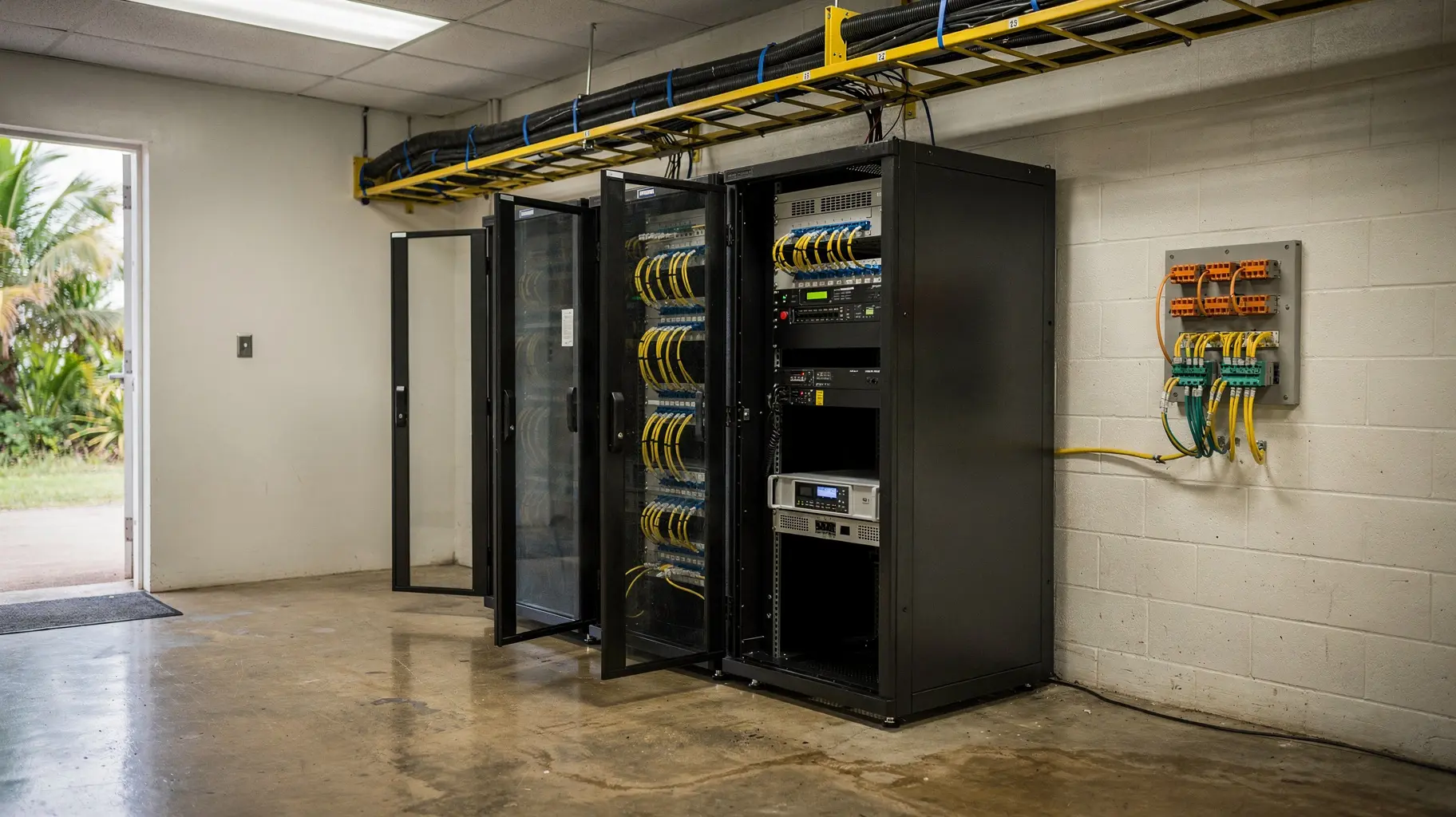
Guam Exchange: a Building, a Peering Fabric and an AS Number Under One Name
The BTW directory record for Guam Exchange carries exactly one citation: an autonomous-system query that returned no readable registry text when I retrieved it on 18 October 2026. The operator's own pages point at something more concrete — a peering fabric inside a named…

Story
One Peer’s Update Surge Delayed More Than One RIPE Collector
A burst of BGP messages arrived at RIPE RIS’s Frankfurt collector on 2 October. The record says the resulting processing stall also delayed update files from other collectors, exposing a question about shared pipeline capacity and the evidence needed to declare recovery.
History
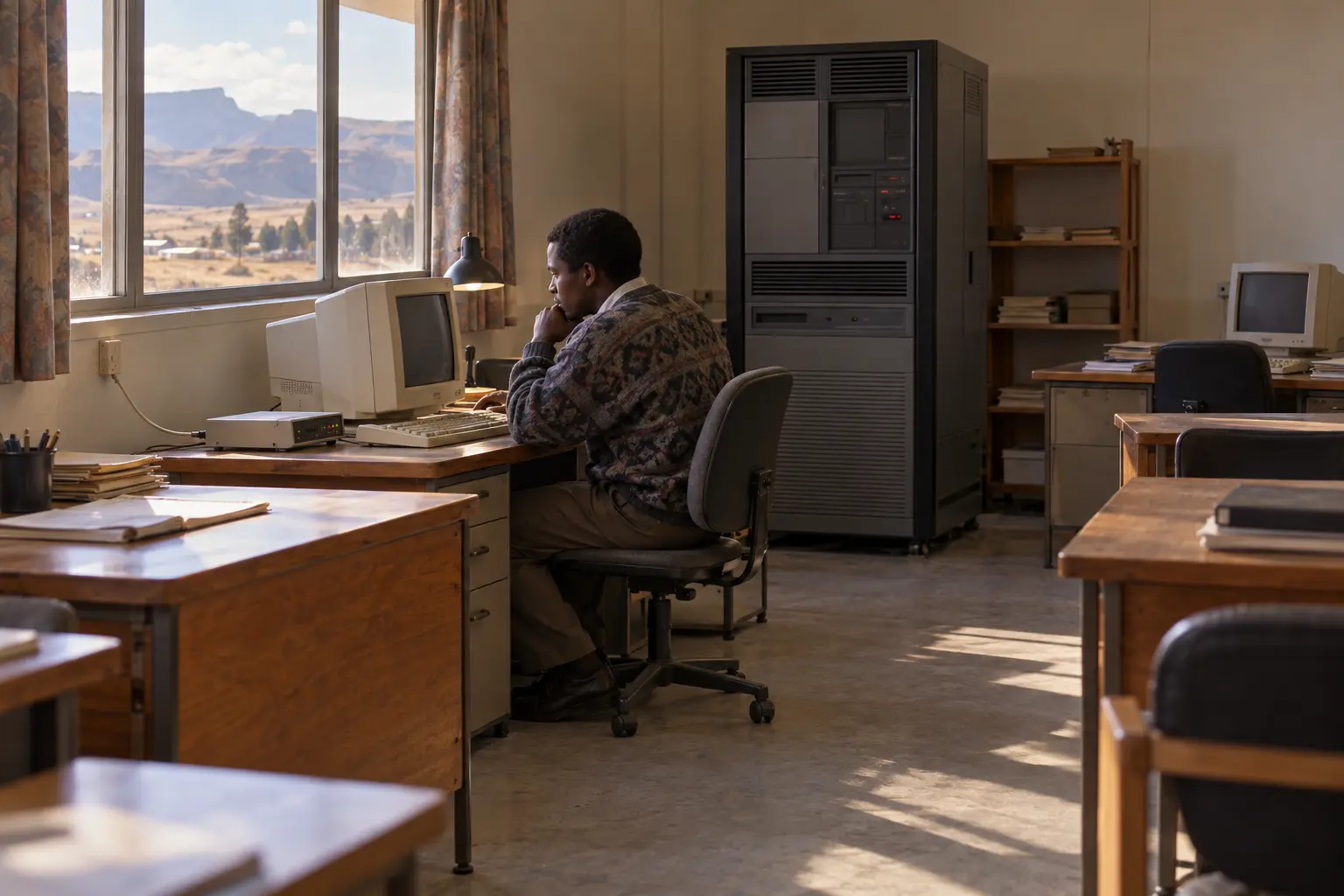
A Link Reached Roma; Campus Access Still Had to Be Built: Lesotho, 1996–99
A 9.6K terrestrial connection put the National University of Lesotho’s host online from Roma to Bloemfontein in December 1996. In the same week, the university said its campus network did not exist and planned dial-in access was not working. Three years later, a Maseru café sold…

History
Fiji's Mail Link Ran Before Its Internet Route, 1992–94
At the University of the South Pacific, email already crossed the Pacific through a dial-up relay in 1992. A full Internet connection came later in the record, and even its date depends on which contemporary or retrospective account is used.

Latin America and Caribbean Datacenter
Ascenty: The Megawatt That Travels Without Its Basis
Brazil's data-centre buildout is routinely described in megawatts, but the documents gathered for this report on 18 October 2026 contain no megawatt figure for Ascenty Data Centers e Telecomunicações S/A at all — and that gap is the story, because the unit itself is doing work…

History
Akira Kato and the Privacy Rules Behind WIDE’s Open Traffic Archive
The MAWI archive’s own FAQ begins with a useful limit: port mirroring and ordinary capture hardware can miss packets, while timestamps may lose precision under congestion. That caveat changes what an open trace can prove. Akira Kato’s contribution to WIDE’s traffic-repository…
CASE FILE
Netnod's Three Service Lines and the Number That Cannot Be Split
Netnod publishes a peering fabric, a root-server role and a time service. The root system's operators publish one number that can be checked — 2,047 instances — and it cannot be attributed to any of them. Everything else here comes from the operator's own front page, captured on…

North America National Telecom Trends
Alberta’s 568 overlay sets an eight-month buffer against a moving forecast
Alberta’s next area code is scheduled to go live on 10 June 2028, eight months before the Canadian Numbering Administrator’s current forecast says the existing code complex will need more numbers. The date is a readiness buffer built around a forecast, not a prediction of the day…

Europe and Middle East Institutional
SwissIX publishes the fabric, not the load across it
SwissIX states that it is present in eight datacenters across Switzerland and that it offers 400G ports at three named core sites. Nothing in its public record says how much of its capacity sits in each of those eight places — and that division, not the count, is what a…
Global Cloud Services
Zero paths at 16:00 UTC: AS211386 measured against 328 IPv4 and 318 IPv6 RIS peers
Zero paths at 16:00 UTC: AS211386 measured against 328 IPv4 and 318 IPv6 RIS peers intelligence summary explains the development, the public evidence available to readers, the organisations involved, the regional context, market exposure, and the infrastructure consequences that…

Europe and Middle East Regional ISP
Colt's UK register names its controller but not the terms that bind it
Companies House fixes COLT Technology Services Group Limited at company number 03232904, records four consecutive years of full accounts and shows a single corporate person with significant control holding 75% or more of shares and votes. What the register does not show is the…
North America Cloud Services
GPULOL's Name Says GPU. Its Record Says IPv6 Only.
GPULOL's Name Says GPU. Its Record Says IPv6 Only. intelligence summary explains the development, the public evidence available to readers, the organisations involved, the regional context, market exposure, and the infrastructure consequences that may follow. The North America…

IETF
Someone still has to sign: the company behind the IETF
Internet standards emerge from technical argument. Hotel contracts, staff salaries and intellectual-property consents need a different kind of authority. IETF Administration LLC provides it—and its published decisions reveal more about that job than an organisation chart does.

CASE FILE
The abuse report arrived. Did it reach anyone who could act?
APNIC already requires working, monitored abuse contacts. A stalled proposal asks what happens when the address holder and the network operator are different organisations—and exposes how hard it is to prove a handoff without policing the incident itself.
Africa Regional ISP Trends
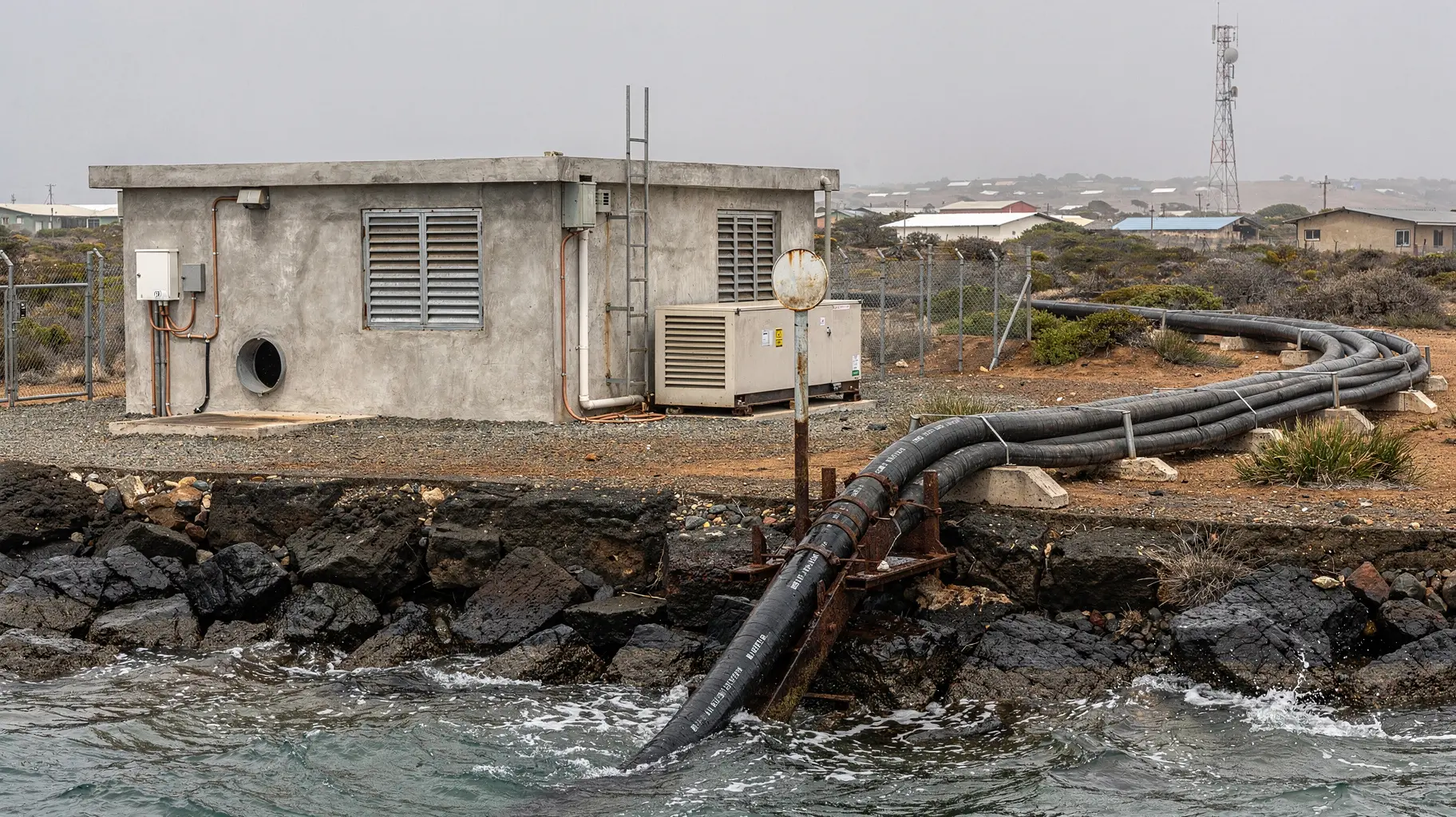
WIOCC's capacity is real. The useful question is where it reaches you
Equiano's 144 Tbps design makes an impressive headline. WIOCC's control of a fibre pair and its terminal equipment tells a buyer something more practical: who can turn that potential into a service. The rest of the journey still matters.

Africa National Telecom Trends
KaliteNet can test your connection. Choosing the next one takes more.
Mauritius now has a public broadband-testing platform and a date for annual reports. The useful question is how a result on one phone becomes advice that another household can trust.
Asia-Pacific Datacenter
HKIX has the traffic. Does it have the connection you need?
A busy exchange is reassuring. But its traffic graph cannot tell a network buyer whether the right counterpart is reachable on the right terms.

Academics
The Philippines went online. The work did not end there
A first connection makes a memorable anniversary. It is a poor test of everyone who later helped researchers, universities and government use the network. Denis F. Villorente's documented career shows why.
Europe and Middle East Institutional
What a LINX membership buys beyond the port
The entry fee is easy to find. The harder question is how a shared exchange turns members' payments into a connection they can depend on.

Story
AFRINIC's address reserve cannot promise an easy move
NAPafrica told a policy meeting that an address change begun eight years earlier was still unfinished. The problem facing a growing Internet exchange is not only finding more addresses, but finding them where its network can use them.