5 typical applications of cyber security is tracked as a internet infrastructure institution within the internet infrastructure ecosystem.
5 typical applications of cyber security has public-source relevance to network operations, governance, dependency mapping, or market structure.
5 typical applications of cyber security has public-source relevance to network operations, governance, dependency mapping, or market structure.
5 typical applications of cyber security is tracked as a internet infrastructure institution within the internet infrastructure ecosystem.
Public-source signals support medium-impact monitoring for infrastructure visibility and dependency analysis.
Public-source signals support medium-impact monitoring for infrastructure visibility and dependency analysis.
| 0.90–1.00 | A | High — direct sources |
| 0.75–0.89 | A/B | Strong |
| 0.55–0.74 | B/C | Medium |
| 0.35–0.54 | C/D | Weak–medium |
| 0.10–0.34 | D | Weak signal |
| 0.00–0.09 | D | Internal monitoring |
Several public sources
- Cyber security, in an increasingly digital world, has become essential for protecting sensitive information and ensuring the integrity of systems and networks.
- By understanding and applying these security practices, individuals and organisations can better protect their digital assets and contribute to a safer digital world.
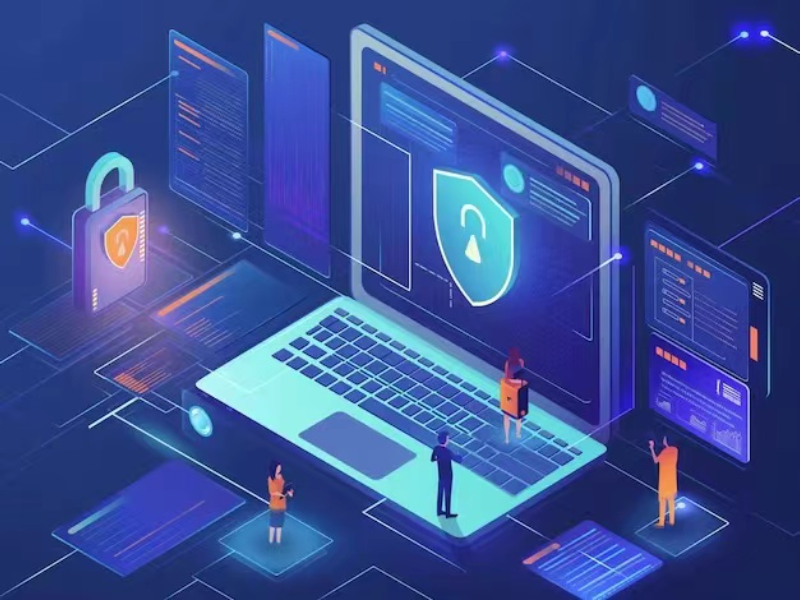
Cyber security has a wide range of applications, from protecting personal information and securing financial transactions to protecting healthcare systems. As cyber threats continue to evolve, the importance of implementing robust cyber security measures across all domains cannot be overstated. This article will introduce 5 applications of cyber security, underscoring its importance across different domains and industries.
1. Protecting personal information
The protection of personal information is the most widely discussed issue in Internet use. Individuals share a vast amount of personal data online, from social media profiles to online banking details. Cyber security measures, such as encryption which applies an unreadable coded format, and multi-factor authentication which adds an extra layer of security, ensure that this sensitive information remains confidential and secure from cyber criminals.
By employing these and other security measures, individuals can protect their personal information from unauthorised access and identity theft.
Also read: AR vs VR: What’s the difference?
2. Securing financial transactions
The financial sector is a prime target for cyber attacks, given the high value of financial transactions. Cyber security plays a crucial role in protecting financial institutions and their customers from fraud, data breaches, and other malicious activities. Financial institutions highly rely on a range of security measures, including secure payment gateways, fraud detection systems, and real-time monitoring, to safeguard transactions.
To be specific, secure payment gateways encrypt payment information during transactions, preventing unauthorised access. Fraud detection systems analyse transaction patterns to identify and flag suspicious activities. Real-time monitoring allows financial institutions to detect and respond to security incidents promptly, minimising potential damage.
3. Ensuring business continuity
For businesses, cyber security is vital for ensuring continuous operations and protecting intellectual property. Cyber attacks can disrupt business operations, leading to financial losses, reputational damage, and loss of customer trust. Implementing robust cyber security measures helps businesses prevent such disruptions and maintain business continuity.
Also read: Horizontal vs portrait: How should we hold our phones?
There are various cyber security practices for businesses. For example, security audits assess the effectiveness of existing security measures and identify potential vulnerabilities. Also, incident response planning prepares businesses to handle security breaches effectively, minimising downtime and damage.
4. Safeguarding critical infrastructure
Critical infrastructure, such as power grids, water supply systems, and transportation networks, is essential for the functioning of society. Cyber attacks on critical infrastructure can have severe consequences, including power outages, water contamination, and transportation disruptions.
Governments and organisations responsible for critical infrastructure implement various security measures, such as intrusion detection systems (IDS), firewalls, and access controls. IDS monitor network traffic for signs of malicious activity, while firewalls block unauthorised access to critical systems. Access controls restrict access to sensitive areas, ensuring that only authorised personnel can interact with critical infrastructure.
5. Protecting healthcare systems
The healthcare sector relies heavily on digital systems for patient records, diagnostic tools, and treatment planning. Protecting patient data and ensuring the integrity of healthcare systems are tasks cyber security measures work on. Healthcare providers use a range of security measures, including electronic health record (EHR) encryption, secure communication channels, and regular security assessments.
EHR encryption ensures that patient data remains confidential and secure. Secure communication channels protect the transmission of sensitive information between healthcare providers. Regular security assessments identify potential vulnerabilities in healthcare systems, allowing providers to address them proactively.
Domain of operation
5 typical applications of cyber security is profiled by BTW Media because published evidence links it to internet infrastructure, governance, operational dependencies, or market visibility.
- Public role: 5 typical applications of cyber security is framed by 5 typical applications of cyber security is tracked as a internet infrastructure institution within the internet infrastructure ecosystem. and public security context. Evidence basis: 5 typical applications of cyber security article record; 5 typical applications of cyber security article record
- Operating surface: Internet infrastructure institution and Global provide the public context for this institution profile. Evidence basis: 5 typical applications of cyber security article record; 5 typical applications of cyber security article record
Timeline
- 5 typical applications of cyber security public profile updated
Public coverage records 5 typical applications of cyber security as a subject for role, operating context, and evidence review.
At A Glance
- Name: 5 typical applications of cyber security
- Type: Internet infrastructure institution
- Base: Global
- Profile focus: Institution
What It Does
- Public records support monitoring of its role, services, and key relationships.
Why It Matters
- Public-source signals support medium-impact monitoring for infrastructure visibility and dependency analysis.
- Operational criticality: Medium
- Time horizon: Next quarter
What To Watch
- Monitoring focuses on verified service continuity, governance changes, and relationship signals.
Track verified source updates, role changes, and current public evidence.
Public-source signals support medium-impact monitoring for infrastructure visibility and dependency analysis.
Longer-term relevance depends on verified operating, policy, and relationship changes.
Member Briefing
Deeper Profile Context
Login is required to unlock the full profile briefing and source notes.
Only for Strategy Circle
Strategic Circle Access
Open to all readers. Unlock profile briefings after joining and logging in.
Join Strategic CircleOnly for Leadership Alliance
Leadership Alliance Access
For owners and management of IP-holding companies. Login required to unlock.
Join Leadership AlliancePublic View
The public read of 5 typical applications of cyber security is limited to visible role, operating context, and relationship evidence.
Watchpoints
- New public role, affiliation, product, policy, or market disclosures.
- Verified relationship changes involving named organizations or people.
Caveats
- Private or unverified claims are excluded from this public view.
FAQ
Why is 5 typical applications of cyber security included?
5 typical applications of cyber security has public evidence that makes the institution relevant to BTW's coverage of digital infrastructure, governance, or markets.
What is public about this profile?
The public layer covers visible role, operating context, linked organizations, and evidence-backed watchpoints.
What should readers watch next?
Readers should watch for source-backed role changes, new partnerships, regulatory exposure, operating expansion, or evidence that changes the public assessment.