
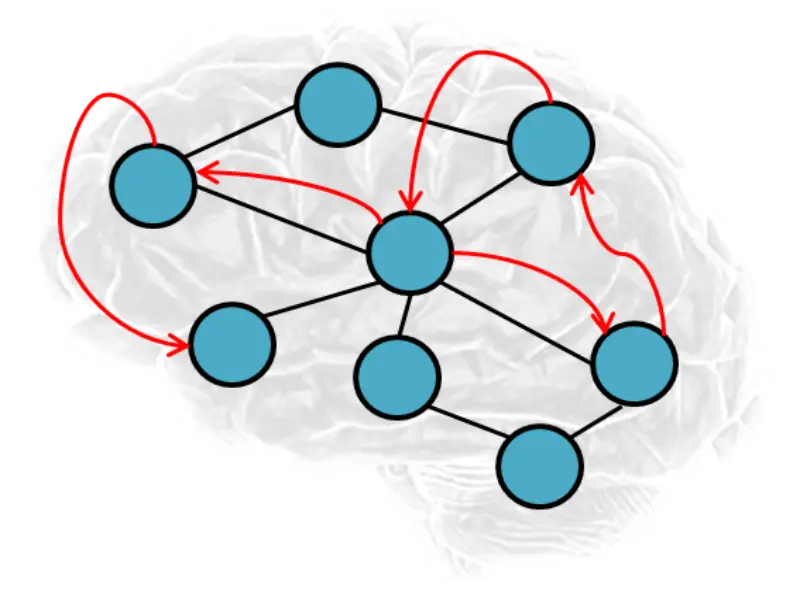
- In the realm of machine learning, particularly within the domain of neural networks, classification stands as a fundamental task.
- As neural networks continue to evolve, their role in classification will remain significant, shaping the future of data analysis and decision-making.
Classification is a vital aspect of neural networks, offering a powerful tool for analysing and understanding data. Its importance spans across various industries, driving innovation and providing solutions to complex classification problems. This blog will explore the concept of classification in neural networks, its importance, and its applications in various fields.
Understanding classification in neural networks
Classification is a fundamental concept in the realm of neural networks, playing a crucial role in various applications ranging from image recognition to sentiment analysis. In the context of neural networks, classification refers to the process of categorising input data into distinct classes or categories based on learned patterns and features. This task is essential for training neural networks to accurately identify and assign labels to new, unseen data. It is a supervised learning technique where the neural network is trained on a labelled dataset, learning to distinguish between different classes.
Also read: An introduction to neural networks
Importance of classification in neural networks
Predictive analytics: Classification serves as the cornerstone of predictive analytics, equipping businesses and researchers with the ability to forecast outcomes by analysing historical trends and data patterns. This capability is particularly valuable for strategic planning, risk assessment, and anticipating future market behaviours.
Decision making: Effective decision-making is enhanced through classification, as it offers a structured approach to dissecting and comprehending intricate datasets. By translating complex information into categorised insights, classification facilitates more precise and confident business and research outcomes.
Categorisation: The process of categorisation simplifies the management of vast and varied datasets. Classification assists in identifying commonalities and differences among data points, which is crucial for structuring information in a way that is more accessible and analysable, thus enhancing the overall efficiency of data systems.
Automation: Automation through classification streamlines the process of sorting and identifying new data entries. By reducing the reliance on manual sorting, organisations can save considerable time and resources, while also minimising the likelihood of errors that come with human processing.
Improved accuracy: The evolution of deep learning has significantly improved the accuracy of classification tasks performed by neural networks. These advancements have led to higher success rates in recognising patterns and making correct classifications, often outperforming traditional algorithms. This has positioned neural networks as a preferred solution for tasks requiring high levels of precision and reliability.
Also read: Classification in data mining: What is it?
Applications of classification in neural networks
Image recognition: Neural networks excel in image recognition, where they can discern a vast array of entities, animals, or scenes within images. This capability is pivotal in applications ranging from automated tagging in social media to advanced surveillance systems that enhance security by identifying individuals or activities of interest.
Text classification: The realm of text data is efficiently managed by neural networks through text classification. This includes sentiment analysis, where the networks assess the tone of social media posts, customer reviews, or any textual content to determine positive, negative, or neutral sentiments. Such analysis is crucial for businesses to gauge public opinion and improve their products or services.
Medical diagnosis: In the healthcare sector, neural networks play a significant role in medical diagnosis. They analyse patient data and medical images to assist in the early detection of diseases, potentially leading to more effective treatments and improved patient outcomes. The accuracy and speed of these networks are invaluable in environments where time is of the essence.
Financial services: The financial industry heavily relies on neural networks for tasks such as detecting fraudulent transactions. These networks can quickly sift through vast amounts of transaction data to identify suspicious activities, protecting both consumers and institutions from financial loss. Additionally, they are used for credit scoring, where they assess an individual’s creditworthiness based on various financial metrics, aiding in more informed lending decisions.