
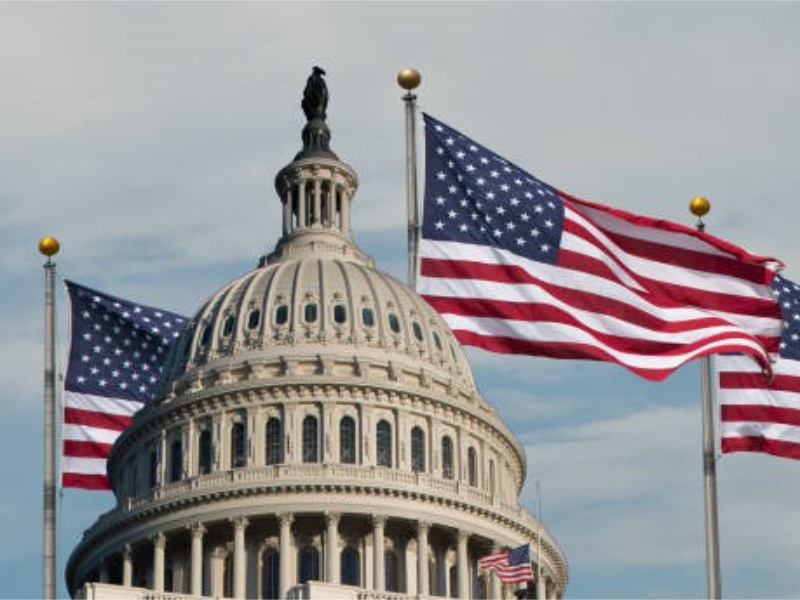
- The U.S. Senate passed COPPA 2.0 and KOSA to enhance online child safety, banning targeted advertising and restricting data collection for minors.
- Despite bipartisan Senate approval, the bills face criticism for potentially restricting minors’ access to important content and await uncertain approval in the House of Representatives.
OUR TAKE
The Senate’s COPPA 2.0 and KOSA bills represent a critical moment in online child safety. They aim to ban targeted ads and enforce data consent, sparking a clash with tech giants over potential censorship and innovation stifling. The outcome will reveal the balance between child privacy and tech industry power.
–Jasmine Zhang, BTW reporter
What happened
The U.S. Senate has passed major online child safety reforms, but their fate in the House of Representatives remains uncertain. The Children and Teens’ Online Privacy Protection Act (COPPA 2.0) and the Kids Online Safety Act (KOSA) aim to ban targeted advertising to minors, restrict data collection, and allow deletion of minors’ information from social media platforms.
Approved by a bipartisan 91-3 vote, the bills face scrutiny from tech industry groups and the American Civil Liberties Union. Critics argue that differing interpretations of harmful content could restrict minors’ access to important information.
The reforms, supported by social media sites Snap and X, but opposed by Meta and TikTok, highlight the ongoing debate over balancing child safety with free speech and innovation.
The bills are designed to create a “duty of care” for social media companies regarding minors, reflecting growing concerns over the impact of social media on young users.
Also read: US Senate recommends blockchain testing for national security
Also read: US Senate proposes $32b boost for AI innovation
Why it’s important
The Senate’s passage of COPPA 2.0 and KOSA marks a pivotal moment in online child safety. While aimed at protecting minors, these bills reveal a deeper struggle between legislative intent and tech industry pushback.
By banning targeted ads and mandating data consent, Congress attempts to curb the exploitation of young users. However, tech giants like Meta and TikTok warn against potential censorship and stifled innovation, highlighting a complex debate over regulation versus freedom.
This legislative push is not just about child safety—it’s a litmus test for how far the government will go to rein in Big Tech. As these bills head to the House, the outcome will signal whether children’s online privacy is a priority or if industry influence still reigns supreme.