
Institution Profiling / Internet infrastructure institution

US moves to ban Chinese tech from global submarine cables

US moves to ban Chinese tech from global submarine cables is tracked as a internet infrastructure institution within the internet infrastructure ecosystem.

US moves to ban Chinese tech from global submarine cables
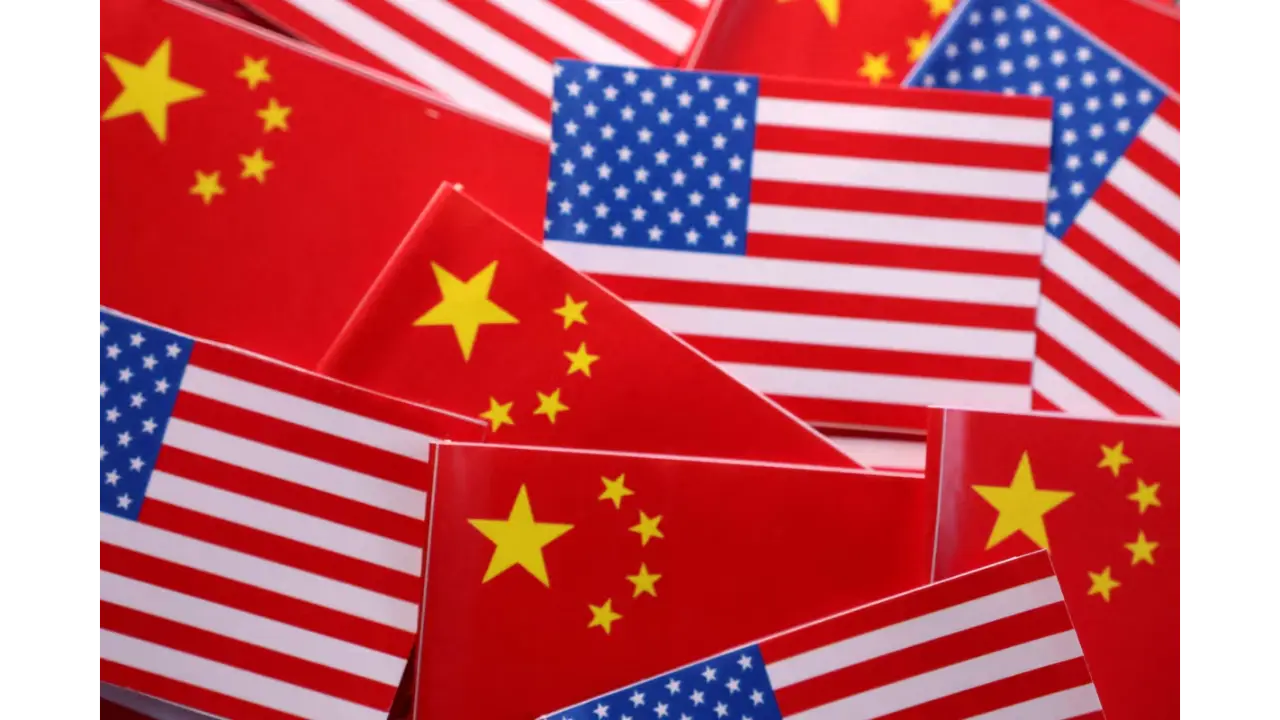
Caption: US moves to ban Chinese tech from global submarine cables · Source context: featured article image · Relevance reason: visual context for US moves to ban Chinese tech from global submarine cables · Image provenance: BTW media library

Sources

Public references used for this article.

External references will appear here after editorial citation review.

CategoryInstitution

US moves to ban Chinese tech from global submarine cables is tracked as a internet infrastructure institution within the internet infrastructure ecosystem.

RegionAfrica

US moves to ban Chinese tech from global submarine cables has public-source relevance to network operations, governance, dependency mapping, or market structure.

Signal FocusInternet infrastructure institution

US moves to ban Chinese tech from global submarine cables has public-source relevance to network operations, governance, dependency mapping, or market structure.

Content TypeProfile

US moves to ban Chinese tech from global submarine cables is tracked as a internet infrastructure institution within the internet infrastructure ecosystem.

Primary DomainSecurity

Public-source signals support medium-impact monitoring for infrastructure visibility and dependency analysis.

TopicInternet infrastructure institution

US moves to ban Chinese tech from global submarine cables is profiled by BTW Media because published evidence links it to internet infrastructure, governance, operational dependencies, or market visibility.

ImpactMedium

Public-source signals support medium-impact monitoring for infrastructure visibility and dependency analysis.

Confidence?Confidence Grade
0.90–1.00AHigh — direct sources
0.75–0.89A/BStrong
0.55–0.74B/CMedium
0.35–0.54C/DWeak–medium
0.10–0.34DWeak signal
0.00–0.09DInternal monitoring
Limited confidence (82%)

Several public sources

US moves to ban Chinese tech from global submarine cables is profiled by BTW Media because published evidence links it to internet infrastructure, governance, operational dependencies, or market visibility.

  • The Biden administration is drafting rules to block Chinese suppliers from the submarine cable market over security concerns
  • The move could disrupt over $500 million in ongoing cable projects linking Asia, Europe and the Middle East

What happened: New front in tech cold war

The US is preparing to effectively ban Chinese companies from participating in global undersea cable projects, according to Financial Times reporting. The proposed rules would prohibit American firms from purchasing cable systems containing Chinese-made components, specifically naming Huawei’s marine division as a primary target.

This follows findings from a 2025 UN International Telecommunication Union report showing Chinese suppliers now provide critical components for approximately one-third of new submarine cables worldwide. Several major projects like the Asia-Africa-Europe-1 cable now face delays as operators scramble to audit suppliers.

Also Read: Streaming overtakes broadcast and cable viewing for the first time
Also Read: Chinese chip maker SMIC may have violated US law to make Huawei chip

Why it’s important

The restrictions mark a significant escalation in efforts to contain China’s influence over global communications infrastructure. Submarine cables carry over 99% of international data traffic, making them critical for both economic and military operations – particularly for real-time financial transactions and intelligence gathering where milliseconds matter. Recent naval deployments suggest major powers now actively patrol cable routes as strategic assets.

While Western alternatives like SubCom and Alcatel exist, analysts at Dell’Oro Group warn the bans could add 20-30% to project costs and delay 5G rollouts in developing nations by 18-24 months. The move also risks pushing China to accelerate its $1.4 billion cable production initiative, potentially creating parallel internet infrastructures. With cables having 25-year lifespans and global data traffic doubling every three years, these decisions will shape geopolitical power dynamics and digital sovereignty debates for decades.

The Biden administration faces difficult trade-offs between security concerns and maintaining affordable global bandwidth growth.

At A Glance

  • Name: US moves to ban Chinese tech from global submarine cables
  • Type: Internet infrastructure institution
  • Base: Africa
  • Profile focus: Institution

What It Does

  • Public records support monitoring of its role, services, and key relationships.

Why It Matters

  • Public-source signals support medium-impact monitoring for infrastructure visibility and dependency analysis.
  • Operational criticality: Medium
  • Time horizon: Next quarter

What To Watch

  • Monitoring focuses on verified service continuity, governance changes, and relationship signals.
NowMedium priority

Track verified source updates, role changes, and current public evidence.

QuarterMedium policy sensitivity

Public-source signals support medium-impact monitoring for infrastructure visibility and dependency analysis.

YearNext quarter outlook

Longer-term relevance depends on verified operating, policy, and relationship changes.

Member Briefing

Deeper Profile Context

Login is required to unlock the full profile briefing and source notes.

Only for Strategy Circle

Strategic Circle Access

Open to all readers. Unlock profile briefings after joining and logging in.

Join Strategic Circle

Only for Leadership Alliance

Leadership Alliance Access

For owners and management of IP-holding companies. Login required to unlock.

Join Leadership Alliance
← BackAll Companies