
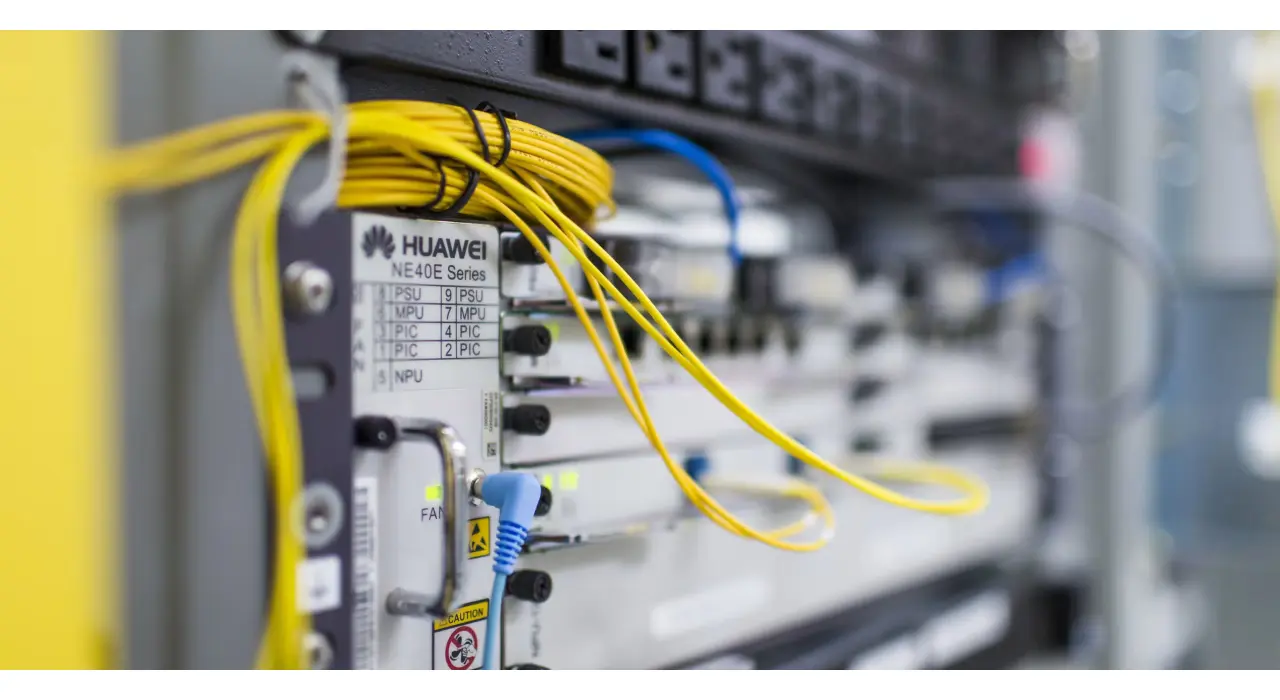
- The FCC will seek power to forbid approval of devices containing parts from companies already on its Covered List, and to rescind approval of devices already in use under certain conditions.
- While billed as a national security move, the decision raises concerns about disruption to telecom deployment, legal pushback, and the broader geopolitics of tech supply chains.
What happened:FCC moves to expand crackdown on Chinese telecom equipment
The U.S. Federal Communications Commission (FCC) is slated to vote this month on sweeping new restrictions targeting Chinese-made telecommunications equipment. The agency aims to bar authorisation of devices containing components from companies already on its “Covered List” — names such as Huawei, ZTE, Hikvision, China Mobile and China Telecom.
Additionally, the proposed rules would empower the FCC to revoke approval for previously authorised equipment in certain cases — effectively forcing removal or prohibition of gear already deployed.
FCC Chair Brendan Carr has described the move as a response to persistent national security concerns, saying that authorisations for devices with such flagged parts will no longer be permitted, and that in exceptional cases already deployed equipment could be banned from sale or use.
This is not the first time the U.S. has targeted Chinese telecom firms. The FCC has long barred new imports or authorisations for certain Chinese vendors, but the new vote would expand its reach into the aftermarket and installed base.
Also read: SK Telecom unifies AI push with new division and wider rollout
Also read: US Secret Service dismantles telecom threat near UN summit
Why it’s important
On its face, the FCC argues the tougher stance is vital to protect national communications infrastructure from potential surveillance, sabotage, or espionage risks. By widening its authority, the agency could ensure that both new and existing devices are held to stricter scrutiny.
Yet several questions remain unanswered:
- Implementation and disruption risks: Revoking authorisation for already-deployed equipment could force operators to replace gear midstream, potentially delaying rollouts or driving up costs.
- Legal and jurisdictional challenge: Companies challenged by a revocation could take legal action, claiming unfair treatment or regulatory overreach.
- Supply chain & market reactions: The decision adds further pressure on global supply chains already strained by trade tensions and could push operators to double down on non-Chinese alternatives — but those may not always match performance or cost expectations.
- Geopolitical ripple effects: The move underscores the decoupling trend between the U.S. and Chinese technology sectors. Other nations may feel pressure to follow suit, or may refuse to align, deepening fragmentations in global standards.
Whether the FCC’s vote results in a robust defence of U.S. infrastructure or creates fresh headaches for carriers, the outcome is likely to ripple across the telecom industry worldwide.