Ubisoft lawsuit puts game ownership rights under scrutiny is a public record based on article evidence, entity context, event links, and relationship context.
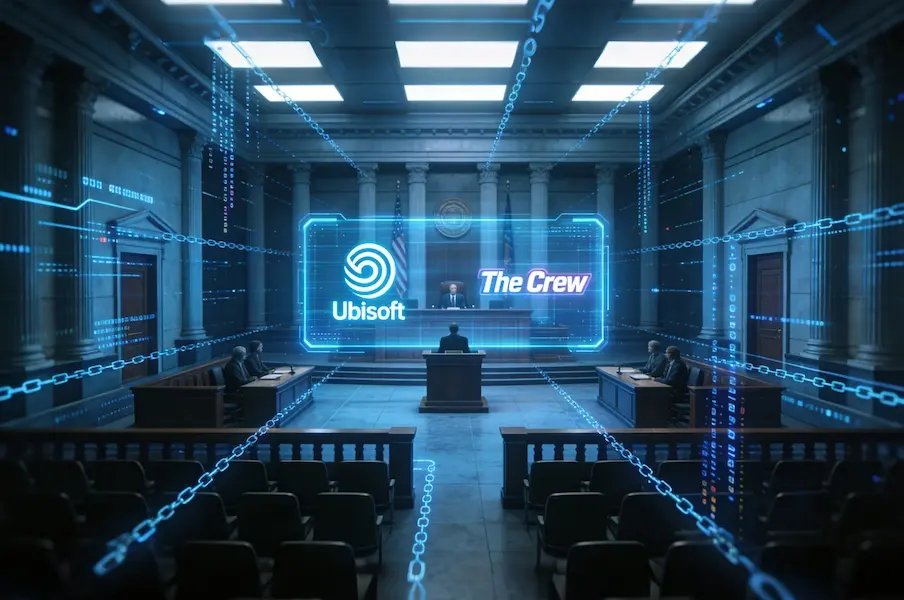
French consumer group sues Ubisoft over The Crew shutdown that locked out paying players. The case highlights growing tension over digital ownership in always-online gaming. What happened A French consumer organisation has filed a lawsuit against Ubisoft following the shutdown of its online racing game The Crew, according to a Reuters report published on March 31, 2026. The group argues that players who bought the game have effectively lost access to a product they paid for, after Ubisoft switched off the servers required to run it.
The lawsuit claims this practice may breach consumer protection laws, particularly where a product becomes unusable despite being marketed and sold as a full purchase. Ubisoft had previously announced the shutdown, citing technical and licensing constraints tied to maintaining the ageing title. Crucially, The Crew required a constant internet connection, meaning that once servers were shut down, the game became entirely inaccessible—even for single-player modes. Why it’s important This case goes beyond a single title. It strikes at the core of how digital goods are sold and perceived.
Consumers often assume ownership when purchasing a game, yet publishers increasingly treat access as conditional, tied to servers, licences, and service lifecycles. If courts side with the consumer group, it could force publishers to rethink how they design online-only games. Options may include offering offline modes, clearer disclosures, or even partial refunds when services end. That could reshape revenue models across the gaming industry. More broadly, the case feeds into a global debate over digital ownership, echoing concerns in streaming, e-books, and software.
As more products become service-based, regulators may step in to define what “ownership” really means in the digital age. Also read: Europe tightens scrutiny on X’s Grok under Digital Services Act
Member Briefing
Read the full trend briefing
Members read the full briefing with the source notes behind every finding.
Strategic Circle
A daily briefing in your language, built from changes we have verified.
Join for USD 20/monthCancel anytime.
Members also get the full research library, a daily briefing on the networks they follow and the private forum.
Snapshot
Category
Europe and Middle East Institutional TrendsUbisoft lawsuit puts game ownership rights under scrutiny is covered for market relevance.
Region
Europe & Middle EastSignal Focus
MarketContent Type
Signal BriefingPrimary Domain
SecurityTopic
MarketImpact
MediumConfidence
Good confidence (72%)Confidence score guide
Published reporting