
FAA greenlights SpaceX’s Falcon 9 for is a public record based on article evidence, entity context, event links, and relationship context.
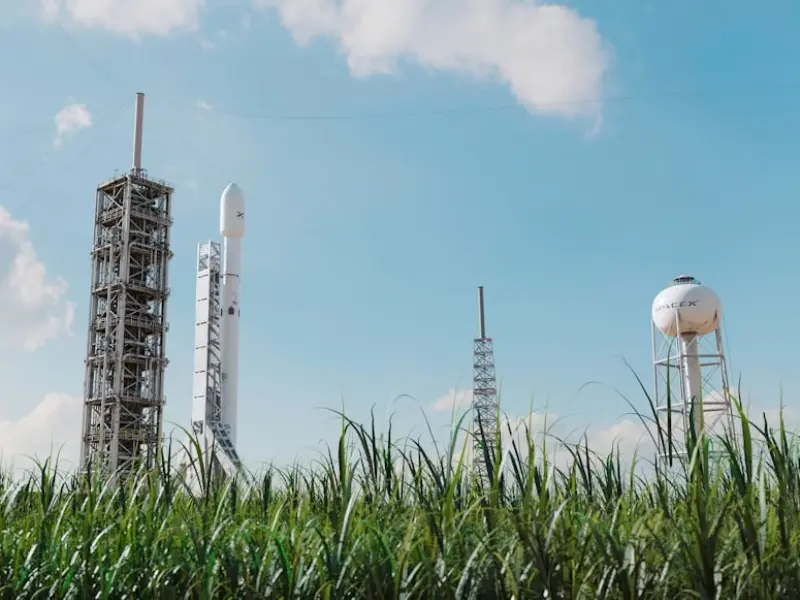
The Federal Aviation Administration has approved Falcon 9 rocket of SpaceX back into orbit. On 11 July, an unexpected glitch whilst in flight led to its abortive launch. OUR TAKE The FAA’s permission of the Falcon 9 is a significant development in the ongoing efforts to ensure safe and reliable space travel. SpaceX’s swift response and thorough investigation into the mid-flight failure reflect the company’s dedication to innovation and safety. -Vivienne Xie, BTW reporter What happened The Federal Aviation Administration (FAA) has approved SpaceX’s Falcon 9 rocket for a return to space following a rare mid-flight failure. On Thursday, U.S.
aviation regulators confirmed that the incident during the 11 July launch posed no public safety concerns. The rocket can resume missions as the overall investigation proceeds. SpaceX announced on the X platform that they were ready to relaunch the Falcon 9 on Saturday, 27 July. This approval is important for SpaceX, as the Falcon 9 is the world’s most used rocket and key to many space missions and commercial deliveries. The mid-flight failure, which resulted in the destruction of its Starlink satellite payload, was the first such incident in over seven years, underscoring the reliability that the global space industry places on this rocket.
In its detailed statement on Thursday, SpaceX identified the root cause of the failure as a liquid oxygen leak. This leak led to excessive cooling of an engine component, subsequently causing damage to the hardware. The company further pinpointed a “crack in the pressure sensor’s sense wire” as the source of the leak. To mitigate future risks, SpaceX announced that it would remove the faulty sense wire and sensor from the second-stage engine for upcoming launches.
Also read: US court upholds FCC’s approval of SpaceX’s Starlink expansion Also read: SpaceX’s Falcon 9 is grounded after Starlink failure Why it’s important The Falcon 9’s return to service is particularly significant for NASA, as it is currently the only U.S. rocket capable of transporting astronauts to the International Space Station (ISS). NASA plans to launch its next astronaut mission in August, with the Crew Dragon capsule set to be carried atop the Falcon 9. This mission underscores the rocket’s critical role in maintaining continuous human presence in space and advancing scientific research.
The prompt identification and resolution of the technical issues by SpaceX demonstrate the company’s robust engineering and operational capabilities. The FAA’s approval highlights the agency’s confidence in SpaceX’s safety measures and commitment to addressing the anomalies effectively. As SpaceX prepares for the following launch, the space industry will be closely watching to ensure the Falcon 9 continues to uphold its reputation for reliability and performance.
Member Briefing
Deeper Trend Context
Sign in with the right membership level to unlock the full briefing and source notes.
Only for Strategic Circle
Strategic Circle
Open to all readers. Unlock trend briefings after joining and signing in.
Join Strategic CircleOnly for Leadership Alliance
Leadership Alliance
For operators, investors, and policy teams that need relationship evidence, failure paths, and source notes. Sign in to unlock.
Join Leadership AllianceSnapshot
Category
North America Institutional TrendsFAA greenlights SpaceX’s Falcon 9 for is covered for market relevance.
Region
North AmericaSignal Focus
MarketContent Type
Signal BriefingPrimary Domain
TechnologyTopic
MarketImpact
MediumConfidence
Good confidence (72%)Confidence score guide
Published reporting