
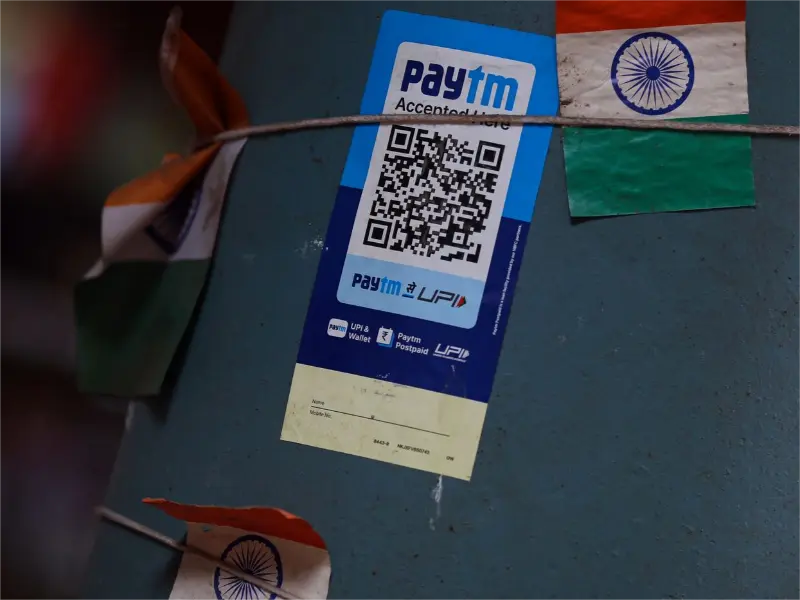
Paytm’s loss widens as regulatory action continues to bite is a public record based on article evidence, entity context, event links, and relationship context.
Paytm’s losses widened and sales slid again in the latest quarter, continuing a trend of financial challenges amid regulatory pressures. The company has been pursuing a turnaround by forming strategic banking partnerships and cutting employee costs. OUR TAKE Paytm, a popular Indian fintech company, continued to suffer financial setbacks after its net loss doubled to $100 million in the first quarter of the fiscal year. Faced with stringent regulatory measures from the Reserve Bank of India, which almost shut down its banking operations, Paytm had to quickly adjust its business strategies.
Under the leadership of CEO Vijay Shekhar Sharma, the company is pursuing a strategic turnaround by deepening partnerships with large banks and cutting costs significantly. Despite these challenges, Paytm continues to innovate and secure its position in the competitive digital payments landscape. –Heidi Luo, BTW reporter What happened Paytm, a popular Indian fintech company, continued to suffer financial setbacks last quarter after its net loss doubled to $100 million in the first quarter of the fiscal year, which was slightly better than expected with a loss of around $111.7 million.
Ongoing regulatory pressures continued to impact the company’s operations, resulting in a significant 36% decline in revenues to approximately $179.5 million. Earlier this year, the Reserve Bank of India took strict regulatory measures against Paytm’s banking operations, which led to the near closure of its banking subsidiary. These measures have had a huge impact on the company’s financial health and share price performance. Despite an initial drop of up to 4.4% in its shares ahead of the earnings report, Paytm saw some recovery after the announcement.
In response to these challenges, Paytm’s CEO, Vijay Shekhar Sharma, is leading the company towards a strategic recovery by building deeper partnerships with major Indian banks and implementing aggressive cost-cutting measures, including a 9% reduction in employee costs to reduce total expenses by approximately $47.9 million to $59.9 million. Also read: Paytm gains crucial approval for investment in key subsidiary Also read: India continues to crack down on cryptocurrency exchanges Why it’s important Founded in 2010 and based on the outskirts of New Delhi, Paytm has become a frontrunner in India’s fintech industry.
The company first revolutionised the market with its mobile wallet service and subsequently expanded its offerings to include QR code payments and a full suite of financial services such as banking, credit, insurance and wealth management. This innovation positioned Paytm as a key player in the digital payments space. The company’s journey from a startup to a major player in the Indian business landscape was led by its founder, Vijay Shekhar Sharma. And Paytm has secured significant investments from global investors such as Alibaba Group Holding, SoftBank Group and Berkshire Hathaway, which have helped fuel its growth and prominence.
However, Paytm’s journey has been marked by significant hurdles. After a troubled public market debut in 2021, which saw its share value fall nearly 80% from its IPO price, Paytm has faced ongoing challenges in regaining investor confidence and maintaining its competitive edge in the digital payments market.
Member Briefing
Deeper Trend Context
Sign in with the right membership level to unlock the full briefing and source notes.
Only for Strategic Circle
Strategic Circle
Open to all readers. Unlock trend briefings after joining and signing in.
Join Strategic CircleOnly for Leadership Alliance
Leadership Alliance
For operators, investors, and policy teams that need relationship evidence, failure paths, and source notes. Sign in to unlock.
Join Leadership AllianceSnapshot
Category
Asia-Pacific Cloud Services TrendsPaytm’s loss widens as regulatory action continues to bite is covered for governance relevance.
Region
ASIA PacificSignal Focus
GovernanceContent Type
EventPrimary Domain
MarketTopic
GovernanceImpact
MediumConfidence
Good confidence (80%)Confidence score guide
Published reporting