
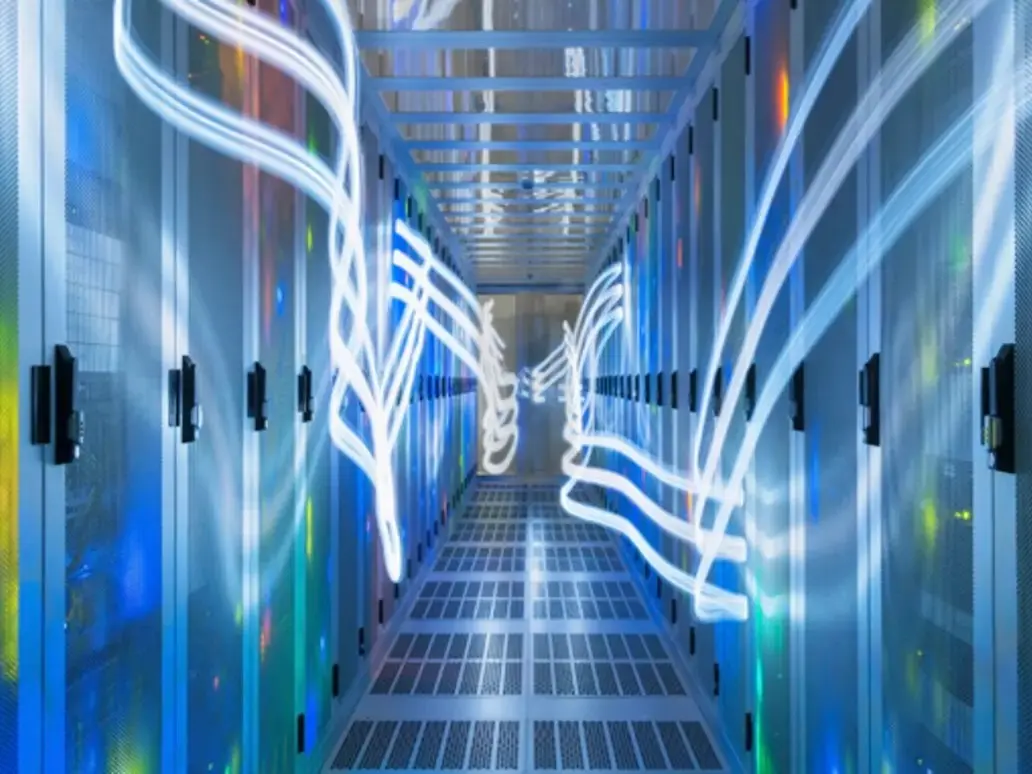
- Nokia unveils its Autonomous Network Fabric in collaboration with Google Cloud to drive global telco network automation.
- The platform uses Vertex AI and BigQuery with a data mesh approach to unify telco-trained AI models across network domains.
What happened: Autonomous Network Fabric launched
Nokia has partnered with Google Cloud to roll out an AI-powered Autonomous Network Fabric designed for telecom network automation. The platform brings together Google’s Vertex AI, BigQuery, and a data mesh architecture with Nokia’s telecom-specific models. It aims to streamline operations across core, edge, and access networks through agent-driven automation.
The system enables real-time decision-making by linking decentralized data sources with centralized control layers. It also supports hybrid deployments and integrates observability and security tools out of the box. Developers can build workflows using network-as-code APIs. The service is already being piloted with major operators in Europe, and broader commercial rollout is expected over the next year.
Also read: Nokia completes $2.3B Infinera deal to power AI networks
Also read: Nokia introduces AI-ready optical solutions
Why it is important
For telecom operators facing increasing demand for flexibility and lower OPEX, this partnership offers a practical path to network automation. Unlike earlier models that relied on static orchestration, Nokia’s platform supports autonomous agents that react to real-time data, reducing human workload while improving service reliability.
The integration of cloud-native AI tools and a data mesh framework enables telecoms to break down traditional system silos. It also provides better visibility across layers of infrastructure, which is essential for managing 5G and edge environments. Developers benefit from API access, while network engineers gain built-in tools for explainability and compliance.
At a strategic level, this move strengthens Google Cloud’s positioning in the telecom infrastructure space, where AWS and Microsoft have already made early advances. For Nokia, the offering is part of its shift from hardware-centric solutions to software-enabled, intelligent networks. Both companies are betting on a long-term shift to AI-native operations across telecom sectors globally.