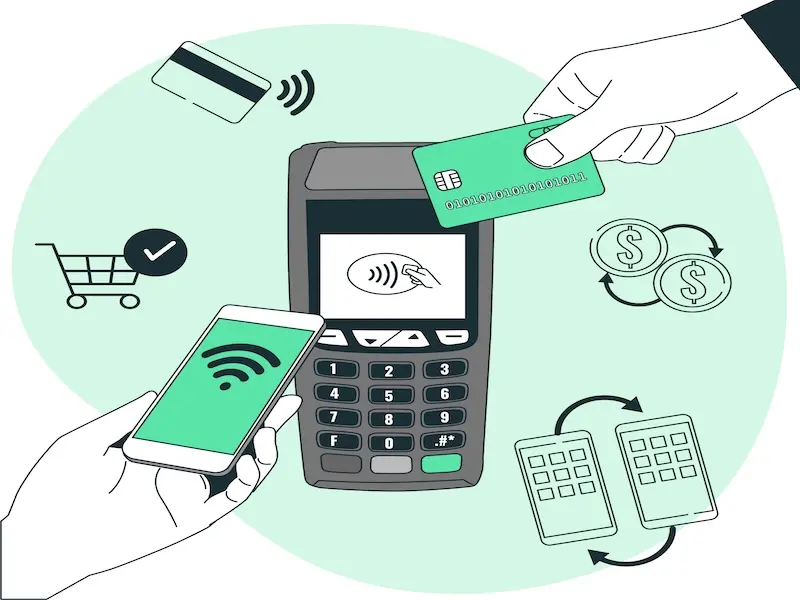
- By allowing businesses to charge small amounts for goods, services, or content, micropayments create more flexible, customer-centric monetization strategies. They are especially effective in industries like gaming, media, e-commerce, and content creation, allowing for pay-per-use models, in-app purchases, and microtransactions.
- Micropayments make content and services more accessible to a wider audience, including individuals who may not have the means to make large purchases. They also promote innovation by allowing businesses to explore freemium models, offering a mix of free and paid content while diversifying their revenue streams.
In recent years, micropayments have emerged as a powerful and disruptive force in the digital economy, enabling businesses to explore entirely new business models that were once unfeasible. The growing popularity of digital content, services, and microtransactions is fundamentally reshaping industries ranging from gaming and media to e-commerce and beyond. By enabling businesses to charge small, incremental amounts for goods and services, micropayments pave the way for more flexible, customer-centric approaches, significantly impacting how consumers access and use products and services.
In this feature, we’ll explore what micropayments are, how they work, the key benefits they offer, and how they are unlocking new business models across various sectors. By examining real-world examples and emerging trends, we’ll also look at how businesses can leverage this model to increase revenue and foster customer loyalty.
Also read: HSBC partners with Dandelion to optimize cross-border payments
Also read: Norway to join Eurosystem’s Instant Payment network by 2028
What are micropayments?
At its core, a micropayment refers to a small financial transaction, typically for a value under a few dollars or pounds, and sometimes as little as a few cents or pence. These payments often occur in digital or online settings and are typically used to purchase small items or access specific features, content, or services. Historically, micropayments were challenging to implement due to high transaction fees and payment processing barriers, but advancements in digital payment systems and blockchain technology have now made these tiny transactions more feasible.
Micropayments can be found in a variety of contexts, such as:
- Pay-per-use services: Streaming services, cloud storage, or online gaming often operate on micropayment models where users pay small amounts for individual sessions or specific content.
- In-app purchases: In the gaming industry, users often pay small fees to access features or upgrades, such as skins, levels, or in-game currencies.
- Content monetisation: Websites or platforms might charge small fees for individual articles, reports, or exclusive content, making it easier for users to access exactly what they need without committing to subscriptions or memberships.
- Donations: Some platforms enable users to make small, voluntary donations to content creators or social causes.
The rise of mobile payments, cryptocurrencies, and peer-to-peer payment systems has helped overcome many of the previous barriers to micropayments, making them more seamless and cost-effective for both businesses and consumers.
The way we pay for things will change more in the next 10 years than it has in the past 50.
Jack Dorsey, Co-founder of Twitter and Square
The technology behind micropayments
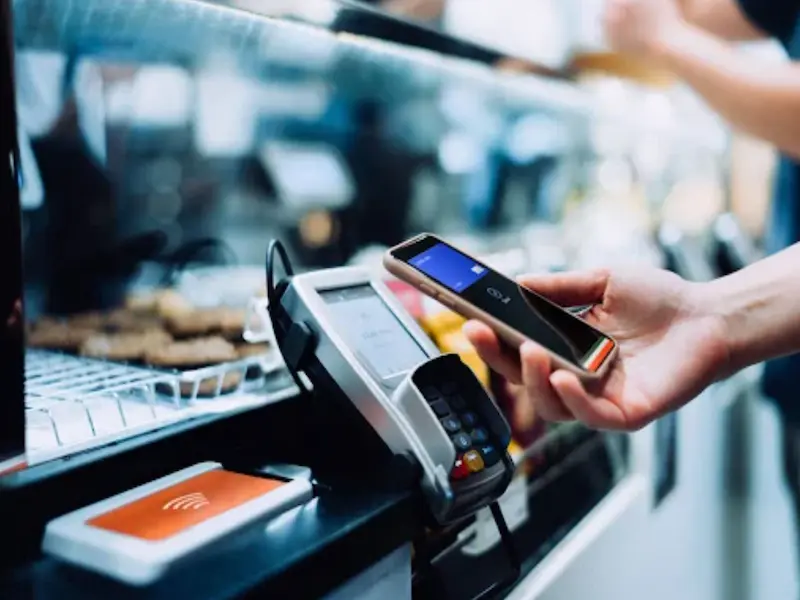
Several technological advancements have played a crucial role in making micropayments viable and efficient. Traditional payment methods such as credit cards or bank transfers are often not suitable for micropayments due to high transaction fees that eat into the small value of the transaction. As a result, alternative payment methods have emerged to facilitate these small-value transactions.
- Digital wallets and mobile payment systems: Platforms such as PayPal, Apple Pay, Google Pay, and Venmo offer low-fee, fast transaction services that make micropayments more viable. These systems have streamlined the payment process and eliminated the need for traditional banking infrastructure, significantly reducing the cost of processing small payments.
- Cryptocurrency and blockchain: Cryptocurrencies, such as Bitcoin, Ethereum, and others, have introduced an innovative way of making micropayments across borders without the constraints of traditional banking systems. Blockchain technology enables peer-to-peer transactions with lower fees and higher transparency, making it easier for businesses to charge very small amounts without incurring the usual payment processing fees.
- Direct carrier billing: This method allows users to pay for digital content or services through their mobile phone bill, making it particularly attractive for mobile app purchases, subscriptions, and services. This method eliminates the need for credit cards or bank transfers, making it more accessible to users who may not have access to traditional payment methods.
These technologies are helping to create an ecosystem where micropayments can be processed quickly, cheaply, and securely, allowing businesses to experiment with new revenue models and consumers to enjoy more personalized and flexible purchasing options.
Key benefits of micropayments
Micropayments offer several key advantages for businesses, consumers, and even the economy as a whole. Here are some of the most important benefits:
- Enhanced Flexibility for Consumers: One of the most significant advantages of micropayments is the flexibility they offer to consumers. With traditional payment models, customers are often required to commit to larger, one-time purchases, subscriptions, or memberships. Micropayments break down that barrier, allowing consumers to access exactly what they need, when they need it, for a fraction of the cost. For example, a user might pay 50p to read a single article on a news website or purchase a single track from a music streaming service. This allows consumers to experiment with different types of content and services without the risk of wasting money on something they might not use. In essence, micropayments allow for more pay-as-you-go models, enabling greater freedom and a more personalized digital experience.
- Revenue Diversification for Businesses: For businesses, micropayments unlock new revenue streams that were previously unfeasible under traditional pricing models. Instead of relying solely on large, one-off purchases or subscriptions, companies can implement a pay per use model, generating income from many smaller transactions over time. For example, online publishers can charge users a small fee to access individual articles, avoiding the need for costly subscription models. Similarly, mobile games and apps can monetise their user base through in-app purchases, allowing users to pay small amounts for virtual goods and upgrades. This diversification in revenue sources can lead to more sustainable business models and reduce reliance on single payment methods.
- Improved Access to Content and Services: Micropayments enable more inclusive access to content and services. With micropayment models, individuals from various economic backgrounds can access premium content, educational materials, or entertainment without needing to commit to larger purchases or subscriptions. This approach benefits industries like education, where users pay small amounts for specific lessons or modules, and media, where publishers sell articles and videos individually instead of placing them behind expensive paywalls.
- Fostering a ‘Freemium’ Model: For businesses that offer digital services, the freemium model — where basic access is free, but premium features or content are charged for — becomes easier to implement with micropayments. Companies can offer users a taste of their services or content for free and then charge small fees for upgrades or extra functionality. This creates a seamless transition from free to paid content, increasing the likelihood that users will pay for services they find valuable.
Innovation is the ability to see change as an opportunity – not a threat.
Steve Jobs, Founder of Apple
Pop quiz
Which technology has made micropayments more feasible by reducing transaction fees?
a) Blockchain
b) Artificial Intelligence
c) Virtual Reality
d) Augmented Reality
(The correct answer is at the bottom of the article)
The role of blockchain in micropayments
Blockchain technology is playing a transformative role in making micropayments more accessible and efficient. Traditional payment systems often struggle with high transaction fees, which can make small-value payments unfeasible. Blockchain and cryptocurrencies address this challenge by providing a decentralised, low-cost alternative for processing micropayments.
Blockchain-based payment systems like Bitcoin Lightning Network or Ethereum Layer 2 solutions enable near-instant transactions with minimal fees. These technologies ensure that even payments as small as fractions of a cent can be processed efficiently. This has opened up new opportunities for industries such as content creation, where consumers can pay microfees to access individual articles, videos, or even seconds of streaming content.
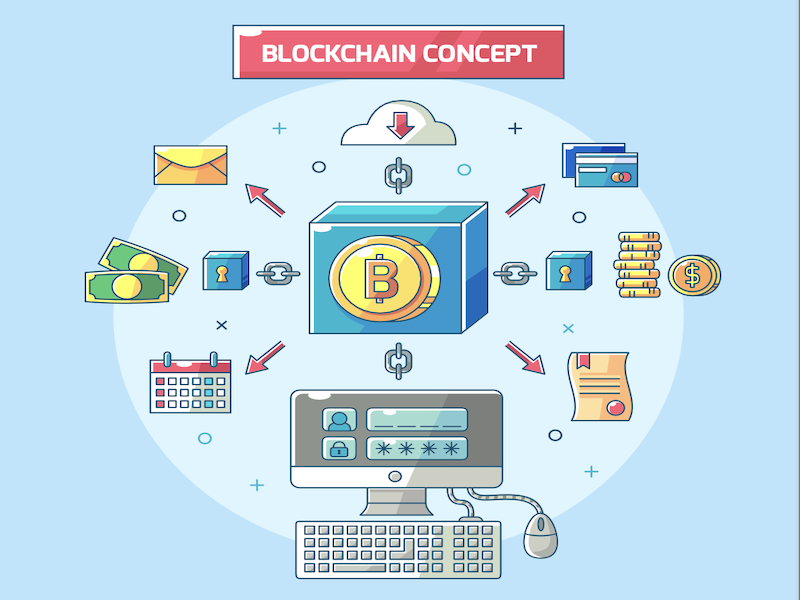
Additionally, blockchain provides transparency and security, ensuring that all transactions are recorded on a distributed ledger. This makes it easier for businesses and consumers to trust micropayment systems. Moreover, smart contracts—self-executing agreements coded on blockchain networks—can automate payment processes, enabling seamless pay-per-use models.
As blockchain adoption grows, it is expected to revolutionise micropayments further, particularly in emerging economies where traditional banking systems are limited. The combination of blockchain and micropayments could democratise access to digital goods and services, driving greater inclusion and innovation worldwide.
Unlocking new business models across industries
Micropayments are enabling the emergence of new business models across various industries, allowing businesses to monetise in ways that were previously not feasible. In the gaming industry, micropayments have become a key revenue driver. Games like Fortnite have successfully used in-app purchases and microtransactions, where players can buy cosmetic items, new levels, or virtual goods. This freemium model allows users to play for free but pay small amounts for upgrades, creating a steady revenue stream for game developers.
Similarly, in media and content creation, micropayments offer content creators and publishers a new way to monetise without relying solely on subscriptions or ads. Platforms like Patreon and Ko-fi enable creators to receive direct payments from their audience for specific content, fostering a more sustainable and diversified income stream. In the e-commerce sector, micropayments are transforming the shopping experience by allowing customers to pay for small items, add-ons, or services like expedited shipping without committing to larger purchases.
This flexibility enhances the customer experience and opens up new revenue opportunities for businesses.
Additionally, charity and crowdfunding platforms have embraced micropayments, enabling users to donate small amounts to causes they care about. This has made philanthropy more accessible, as people can contribute regularly or with a simple one-click donation. Overall, micropayments are reshaping industries by providing businesses with more flexible, customer-centric revenue models while improving access to services for consumers.
The future of commerce will be about connecting people to the things they want, when they want it, at the right price.
Jeff Bezos, Founder of Amazon
Challenges and considerations
While micropayments offer numerous benefits, they also come with challenges. High transaction fees remain an obstacle for some businesses, although advances in payment systems like cryptocurrency and blockchain technology are helping to address this. Security and fraud concerns are also crucial, as micropayment systems must be able to handle small transactions safely and securely to prevent fraud.
Moreover, for micropayments to succeed, there must be widespread adoption of new payment methods by consumers and businesses alike. This requires education, infrastructure investment, and trust in emerging payment technologies.
FAQs: Micropayments: Unlocking new business models
A micropayment is a small financial transaction, typically worth less than a few dollars or pounds, used to pay for digital goods, services, or content. Businesses commonly use micropayments for in-app purchases, digital downloads, or premium content access.
Micropayments enable businesses to adopt flexible and customer-centric pricing models. They allow businesses to generate revenue from small transactions, creating new opportunities for monetisation in areas like gaming, content creation, e-commerce, and more. They also help businesses diversify their income streams and reduce reliance on large, one-time purchases.
Micropayments are commonly used in industries such as gaming (for in-app purchases), media and content creation (for single-article or video payments), e-commerce (for small add-on services), and crowdfunding (for small charitable donations). They are also increasingly used in subscription-based platforms that offer pay-per-use models.
Micropayments are typically processed through digital wallets, mobile payment platforms, or payment gateways designed to handle small transactions. Payment systems like PayPal, Stripe, and blockchain-based solutions are often used to ensure low transaction fees, making micropayments feasible for businesses and consumers alike.
For consumers, micropayments offer more affordable ways to access digital content and services without committing to larger purchases. They provide flexibility, enabling users to pay only for what they use, rather than paying for a full subscription or package they may not fully utilize.
Quiz answer
A. Blockchain