
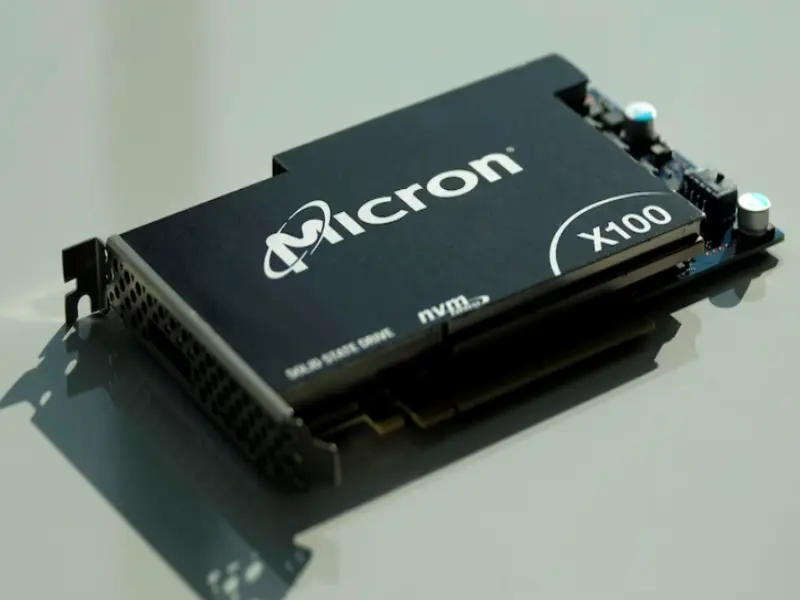
Micron set to get $6.1 billion in chip grants from U.S. is profiled by BTW Media because published evidence links it to internet infrastructure, governance, operational dependencies, or market visibility.
- The largest U.S. memory chipmaker Micron is set to receive $6.1 billion in policy grant subsidies.
- The ultimate aim of this move is to build the U.S. into a chip manufacturing powerhouse once again.
- This move is the U.S. government’s response to the global chip supply chain tensions at the same time, to accelerate the realisation of domestic chip manufacturing important initiatives.
Micron Technology, the largest U.S. maker of computer memory chips, is poised to get $6.1 billion in grants from the Commerce Department to help pay for domestic factory projects, part of an effort to bring semiconductor production back to American soil.
Also read: U.S. to announce billions in subsidies for advanced chips
The U.S. government supports the return of chip manufacturing
Memory chipmaker Micron is poised to receive up to $6.1 billion in policy grant subsidies from the U.S. Department of Commerce. This is an important part of the U.S. government’s ambition to move the chip manufacturing link back to the U.S. mainland.
This move will accelerate the realisation of the Biden administration’s desired “chip manufacturing back to the U.S.”, with the ultimate aim of building the U.S. into a chip manufacturing powerhouse once again.
The U.S. government is attempting to reshape the local chip manufacturing industry and improve the country’s competitiveness in the global semiconductor market.
Also read: Micron hits record high as AI demand powers strong forecast
Chip manufacturing development plans in the U.S.
Micron plans to build two new chip factories in the United States and put them into operation by 2030. These two factories will be expected to become an important part of the U.S. chip manufacturing industry, creating tens of thousands of jobs in the U.S. and attracting a large amount of capital and technology investment.
Other chip manufacturing giants, such as Intel and TSMC (Taiwan Semiconductor Manufacturing Company), are also planning to build new chip manufacturing plants in the United States to expand production capacity and meet global market demand.
These investment plans will accelerate the U.S. position in the global semiconductor industry and promote technological innovation and industrial upgrading.
Member Briefing
Deeper Trend Context
Sign in with the right membership level to unlock the full briefing and source notes.
Only for Strategic Circle
Strategic Circle
Open to all readers. Unlock trend briefings after joining and signing in.
Join Strategic CircleOnly for Leadership Alliance
Leadership Alliance
For operators, investors, and policy teams that need relationship evidence, failure paths, and source notes. Sign in to unlock.
Join Leadership AllianceSnapshot
Category
North America Institutional TrendsRegion
ASIA PacificSignal Focus
GovernanceContent Type
EventPrimary Domain
MarketTopic
GovernanceImpact
MediumConfidence
Limited confidence (80%)Confidence score guide
Several public sources