
U.S.
- The Biden administration is set to announce subsidies of billions for semiconductor companies, including Intel and TSMC, as part of the $53 billion CHIPS Act.
- Frustration over the slow implementation of bipartisan bills is evident, with pressure to fund prominent companies.
- Concerns linger about potential delays and the timeline for subsidized factories to produce U.S.-made chips.
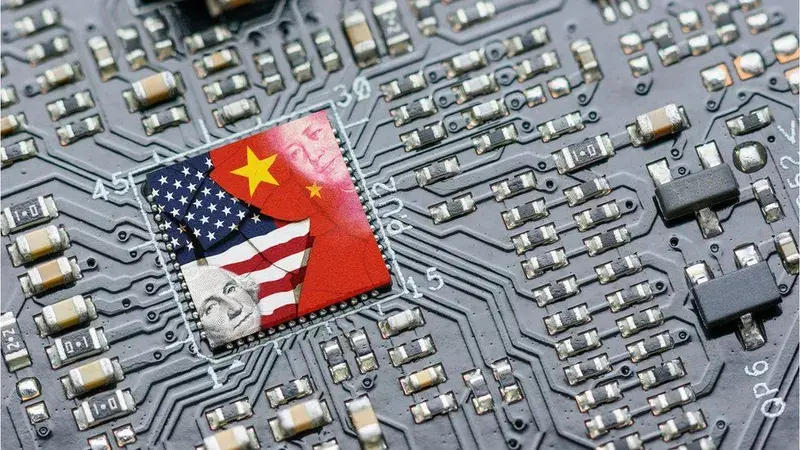
With the U.S. presidential election intensifying, the Biden administration is eager to emphasise the effectiveness of its semiconductor economic subsidy policy. It is reported that subsidies totalling billions of dollars are expected to be announced in the coming weeks for top semiconductor companies, including Intel, TSMC, and others, to assist in establishing new semiconductor factories.
Funding pressure exists
These subsidies are part of the $53 billion CHIPS Act, aiming to restore advanced chip production to the U.S. and counter China’s rapidly growing domestic chip industry. The CHIPS Act includes $39 billion in manufacturing subsidies, covering 15% of total project costs, up to $3 billion per fab, along with loans, loan guarantees, and tax credits. The slow implementation of bipartisan bills since 2022 has been frustrating, with over 170 companies applying, yet the Biden administration has only provided small amounts to lower-tier chip manufacturers so far.
There appears to be pressure to fund well-known companies before the initiatives gain momentum.
Potential recipients of the subsidies
Intel is a potential recipient, with projects exceeding $43.5 billion underway in Arizona, Ohio, New Mexico, and Oregon. Another contender is TSMC, building two fabs near Phoenix with a total investment of $40 billion. Both Arizona and Ohio are battleground states in the November presidential and congressional elections. Samsung Electronics in Dallas has a $17.3 billion project, and industry leaders like Micron Technology, Texas Instruments, and GlobalFoundries are also expected to be top competitors. The upcoming subsidy announcements are expected to be much larger, reaching billions of dollars, aiming to kickstart the manufacturing of advanced semiconductors powering smartphones, AI, and weapon systems.
Senior officials anticipate some subsidy announcements before Biden’s State of the Union address on March 7, showcasing his economic achievements amid the heated election campaign, with a likely nomination for the Republican Party by former President Trump. The reports indicate that these announcements may be preliminary, followed by due diligence, and final agreements will be reached, with funds disbursed in stages based on project progress.
Some lawmakers and semiconductor industry executives express concerns that factory production subsidised by taxpayers may take several years due to permit delays and other construction-related delays.
Also read: U.S. injects $162m to fuel home-grown microchip industry, reduce foreign dependence
Member Briefing
Deeper Trend Context
Sign in with the right membership level to unlock the full briefing and source notes.
Only for Strategic Circle
Strategic Circle
Open to all readers. Unlock trend briefings after joining and signing in.
Join Strategic CircleOnly for Leadership Alliance
Leadership Alliance
For operators, investors, and policy teams that need relationship evidence, failure paths, and source notes. Sign in to unlock.
Join Leadership AllianceSnapshot
Category
North America Cloud Services TrendsRegion
ASIA PacificSignal Focus
GovernanceContent Type
EventPrimary Domain
MarketTopic
GovernanceImpact
MediumConfidence
Limited confidence (80%)Confidence score guide
Several public sources