
Intel and AMD form partnership to confront Arm’s dominance is a public record based on article evidence, entity context, event links, and relationship context.
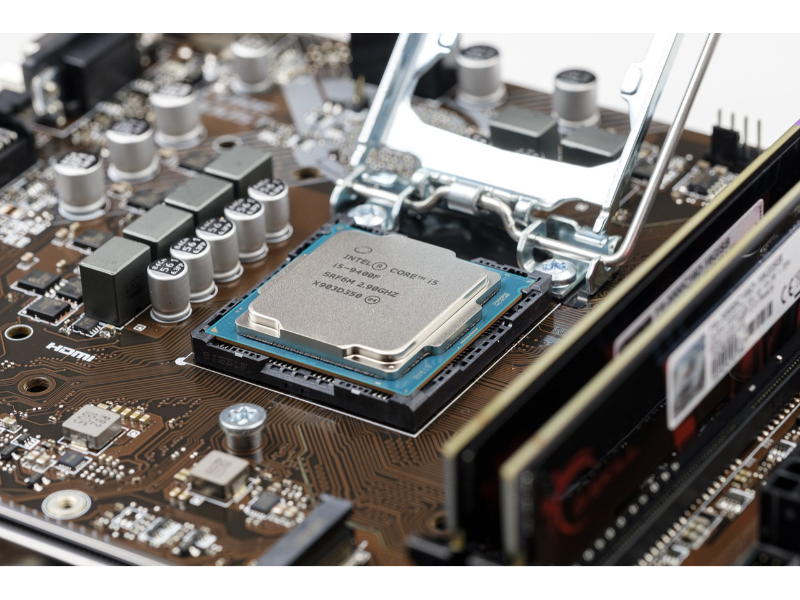
Intel and AMD are forming a collaborative advisory group to address competition from Arm Holdings. Major tech players like Broadcom, Dell, Lenovo, and Oracle are joining the initiative to enhance unified chip functionality and streamline software integration. In a strategic move to enhance their positions in the semiconductor market, Intel and Advanced Micro Devices (AMD) have announced the creation of a collaborative advisory group. This initiative aims to ensure seamless software compatibility across their chip architectures.
This response comes as Arm Holdings rises in dominance within the tech landscape Intel has been a cornerstone of the global computing industry for over four decades. Known for its pioneering work on the x86 architecture, Intel’s chips have powered everything from personal computers to data centers. Meanwhile, AMD, another key player in the semiconductor sector, operates under a legal agreement that allows it to use Intel’s x86 technology while competing directly in the market. However, both companies have faced dwindling market shares due to Arm’s innovative chip design approach.
Arm Holdings has emerged as a formidable competitor by licensing its architecture to various companies, including tech giants like Apple, Qualcomm, and Amazon. Its unique contractual terms ensure that all Arm chips can run any software designed for its architecture. This fosters a cohesive ecosystem, contrasting with the x86 architecture, which sometimes requires software adjustments to function efficiently across Intel and AMD chips.
Also read: Silicon Intelligence offers to ‘resurrect’ deceased loved ones with AI Also read: Responsible AI: Navigating the future of artificial intelligence Recognising the need for adaptation, Intel and AMD are rallying other industry players, including Broadcom, Dell Technologies, Lenovo, and Oracle, to form this advisory group. The goal is to gather insights from both hardware and software developers to establish a more unified approach to essential functions and features across their chipsets. By collaborating, they hope to eliminate compatibility issues that have plagued their architectures, enhancing their competitive edge.
At a recent developer event hosted by Lenovo in Seattle, Intel CEO Pat Gelsinger expressed confidence in the resilience and adaptability of the x86 architecture. He stated, “Rumours of my death are severely exaggerated. We are alive and well.” Gelsinger emphasized that x86 technology is poised for transformation, especially with the increasing integration of artificial intelligence in computing. The potential for customization, scalability, and expansion presents exciting opportunities for both Intel and AMD.
The collaboration between these semiconductor giants underscores their commitment to innovation and adaptability amid fierce competition. As Arm continues to gain traction, Intel and AMD’s proactive approach to collaboration may be crucial in reclaiming their market share. The success of this advisory group could redefine standards in chip compatibility, ultimately benefiting end users and developers alike.
Member Briefing
Deeper Trend Context
Sign in with the right membership level to unlock the full briefing and source notes.
Only for Strategic Circle
Strategic Circle
Open to all readers. Unlock trend briefings after joining and signing in.
Join Strategic CircleOnly for Leadership Alliance
Leadership Alliance
For operators, investors, and policy teams that need relationship evidence, failure paths, and source notes. Sign in to unlock.
Join Leadership Alliance