
Cross-jurisdiction governance and policy interface.

Governance / ICANN
ICANN Intelligence Briefing Profile
Coverage of ICANN policy decisions, domain name governance, WHOIS/RDAP developments, and DNS ecosystem changes.
GlobalDNS GovernanceAccountability
Institution design, policy process, and accountability trust.
Multi-stakeholder legitimacy and process clarity.
Structural policy changes usually materialize in 120d+ cycles.
Member Unlock
Restricted Profile Intelligence
Login is required to unlock full profile briefings and deep-dive sections.
Strategic Circle Access
Open to all readers. Unlock profile briefings after joining and logging in.
Join Strategic CircleLeadership Alliance Access
For owners and management of IP-holding companies. Login required to unlock.
Join Leadership AllianceBasic Profile
- Entity: Internet Corporation for Assigned Names and Numbers
- Role: Global DNS and identifier coordination body
- Core Function: Policy and operational coordination framework
- Model: Multi-stakeholder governance process
Strategic Functions
- Root zone and naming system governance oversight
- Policy forums across multiple stakeholder constituencies
- Accountability review and institutional process controls
- Cross-community consensus and implementation coordination
Current Risk Briefing
- Process complexity can dilute operational clarity
- Stakeholder asymmetry may shift decision influence
- Slow reform cycles can reduce response to market pace
- Governance opacity can weaken coordination confidence
Decision Use
- Incorporate DNS governance timing into risk planning
- Track process transparency for trust and compliance posture
- Map policy trajectory to infrastructure investment windows
- Use governance indicators to stress-test continuity scenarios
Latest Coverage
ICANN Headlines
AFRINIC’s Election Failures Undermine Africa’s Internet Reliability
Shady election processes and governance failures at AFRINIC risk disrupting address allocation and undermining Africa’s internet progress.
How AFRINIC is helping Africa embrace IPv6
AFRINIC supports Africa’s IPv6 transition with free training, deployathons, policy guidance and government collaboration.
AFRINIC’s Financial Strategy Raises Accountability Concerns
Ongoing election disputes at AFRINIC raise doubts about its governance and could destabilise internet services across Africa.
Archive
ICANN Article Archive
770 articles

Governance
AFRINIC’s Election Failures Undermine Africa’s Internet Reliability
Shady election processes and governance failures at AFRINIC risk disrupting address allocation and undermining Africa’s internet progress.

Governance
How AFRINIC is helping Africa embrace IPv6
AFRINIC supports Africa’s IPv6 transition with free training, deployathons, policy guidance and government collaboration.
Governance
AFRINIC’s Financial Strategy Raises Accountability Concerns
Ongoing election disputes at AFRINIC raise doubts about its governance and could destabilise internet services across Africa.

Governance
AFRINIC’s use of RPKI to prevent hijacks
AFRINIC uses RPKI to help African networks prevent IP hijacks, secure routing, and strengthen internet resilience across the region.
Governance
Cloud Innovation vs AFRINIC: A Legal Standoff
Cloud Innovation questions AFRINIC’s legitimacy, reigniting debate over internet resource governance and legal authority in Africa.
Governance
ICANN Rejects African Court Rulings to Protect AFRINIC
ICANN rejects African court rulings in defence of AFRINIC, raising concerns over judicial legitimacy and regional sovereignty.

Governance
Kurt Lindqvist’s ICP‑2 actions spark fresh scrutiny during AFRINIC turmoil
A newly adopted document grants authority to assess and de-recognise regional internet registries, bypassing expected community input.
Governance
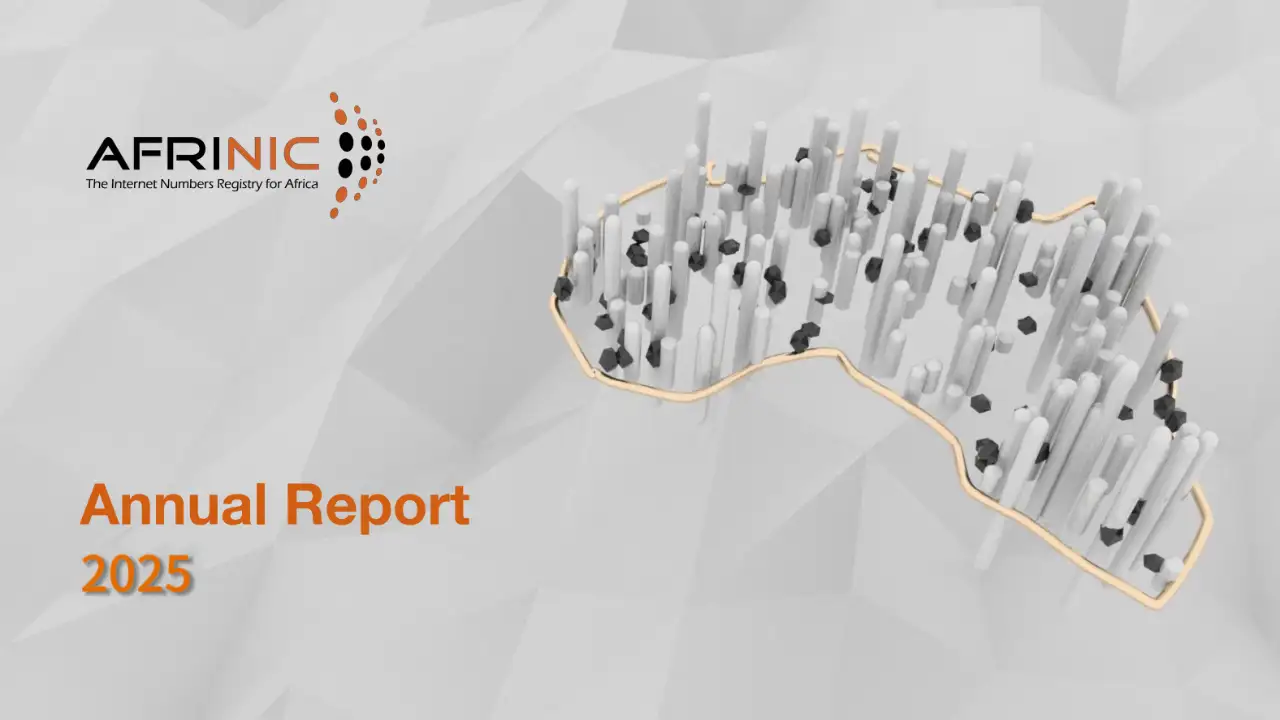
AFRINIC’s annual reports: what they reveal
AFRINIC’s annual reports reveal recurring governance and financial challenges, prompting calls for greater transparency and accountability.

Governance
AFRINIC in Crisis: Legal petition threatens Africa’s internet futu
AFRINIC faces dissolution over financial mismanagement, threatening internet stability across Africa’s 55 member nations.
Governance
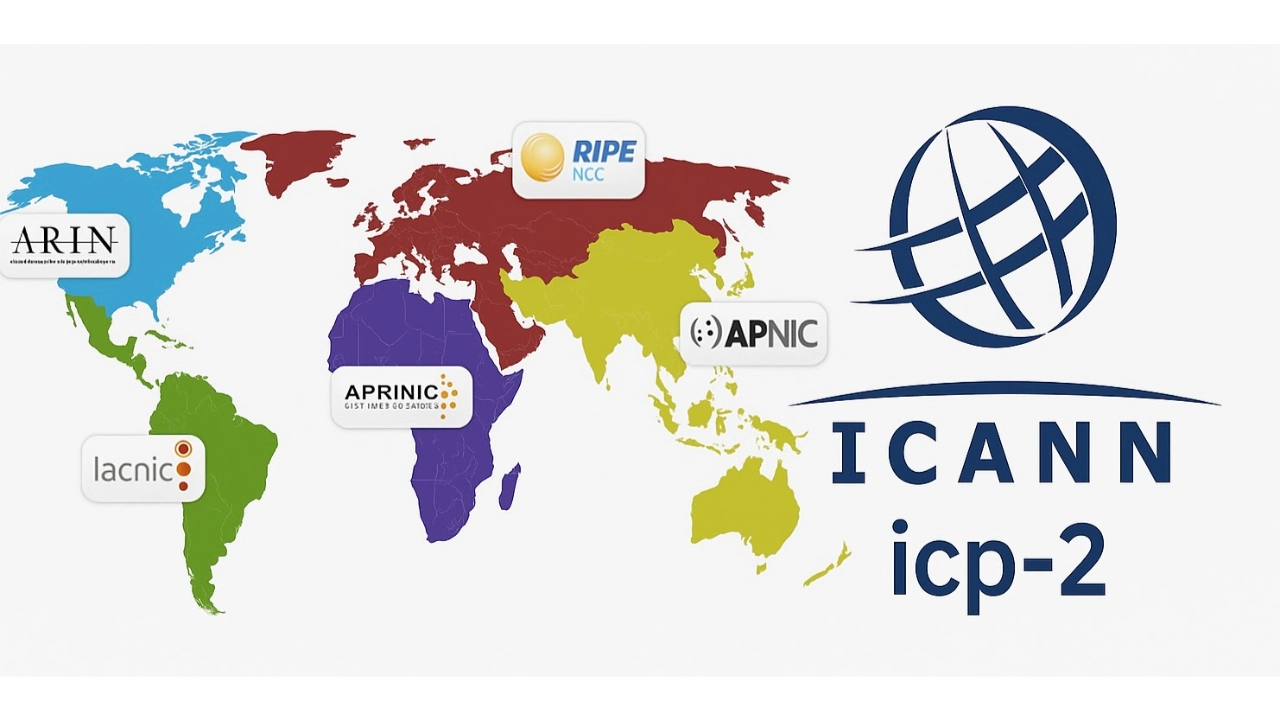
How ICANN’s ICP‑2 policies apply to AFRINIC
ICANN’s ICP‑2 policies give it more control over AFRINIC, while Cloud Innovation calls for appointing a new RIR.

Governance
AFRINIC collapses as courts rule against seizures
AFRINIC’s collapse exposes critical flaws in RIR governance models, warning other registries to reform or face similar failure.
Governance
AFRINIC vs other RIRs: A governance breakdown
AFRINIC’s governance crisis contrasts sharply with other RIRs like RIPE NCC and APNIC, raising global questions about accountability.
Governance
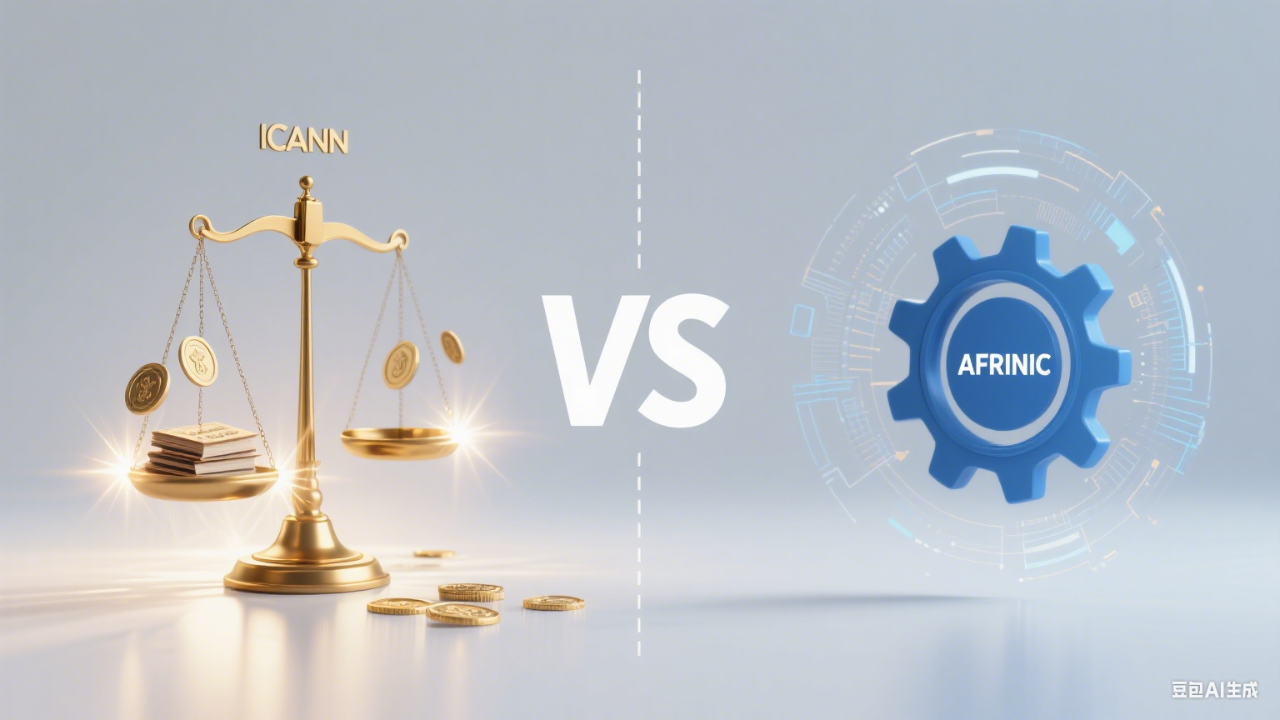
ICANN’s authority vs. AFRINIC’s operational autonomy
ICANN extends control over Africa’s internet, while AFRINIC’s governance failures prompt calls for its dissolution.
Governance
AFRINIC Faces Backlash After Election Collapse
AFRINIC’s 2025 vote controversy deepens as in-person voting is denied, raising doubts over fairness and compliance with its own rules.
Governance
AFRINIC’s NomCom Chaos Raises New Alarms
AFRINIC’s NomCom failure adds to its governance collapse, casting doubt on fair elections and regional internet oversight.

Governance
AFRINIC’s 2025 election changes raise fresh governance concerns
AFRINIC’s election changes worsen governance crisis, threatening Africa’s internet development and IP management.

Governance
Consequences of incomplete voter designation
Cancellation of court-approved vote highlights registry’s growing dysfunction as calls for dissolution intensif.
Governance
ICANN vs. AFRINIC: What happens when internet authorities clash?
AFRINIC governance crisis raises urgent questions about Africa’s digital future, with Cloud Innovation pushing for reform and a new registry.

Governance
Kurtis Lindqvist’s data panic: What is ICANN’s CEO hiding?
ICANN’s abrupt demand for AFRINIC records raises questions about past oversight failures and potential complicity in the registry’s collapse.
Governance
AFRINIC–Cloud Innovation Dispute Deepens Crisis
The AFRINIC crisis escalates as governance failures fuel calls for dissolution, threatening Africa’s digital autonomy.