
Cross-jurisdiction governance and policy interface.

Governance / ICANN
ICANN Intelligence Briefing Profile
Coverage of ICANN policy decisions, domain name governance, WHOIS/RDAP developments, and DNS ecosystem changes.
GlobalDNS GovernanceAccountability
Institution design, policy process, and accountability trust.
Multi-stakeholder legitimacy and process clarity.
Structural policy changes usually materialize in 120d+ cycles.
Member Unlock
Restricted Profile Intelligence
Login is required to unlock full profile briefings and deep-dive sections.
Strategic Circle Access
Open to all readers. Unlock profile briefings after joining and logging in.
Join Strategic CircleLeadership Alliance Access
For owners and management of IP-holding companies. Login required to unlock.
Join Leadership AllianceBasic Profile
- Entity: Internet Corporation for Assigned Names and Numbers
- Role: Global DNS and identifier coordination body
- Core Function: Policy and operational coordination framework
- Model: Multi-stakeholder governance process
Strategic Functions
- Root zone and naming system governance oversight
- Policy forums across multiple stakeholder constituencies
- Accountability review and institutional process controls
- Cross-community consensus and implementation coordination
Current Risk Briefing
- Process complexity can dilute operational clarity
- Stakeholder asymmetry may shift decision influence
- Slow reform cycles can reduce response to market pace
- Governance opacity can weaken coordination confidence
Decision Use
- Incorporate DNS governance timing into risk planning
- Track process transparency for trust and compliance posture
- Map policy trajectory to infrastructure investment windows
- Use governance indicators to stress-test continuity scenarios
Latest Coverage
ICANN Headlines
AFRINIC’s collapse deepens doubts over Africa’s internet future
The AFRINIC crisis exposes flaws in Africa IP governance, threatening digital growth and resource stability across the region.
APAN60 in Hong Kong for an AI-Driven Future
At APAN60, experts tackled Internet fragmentation, advocated inclusive governance, and introduced AI and green fibre solutions.
Why proxies and PoAs are not allowed in new AFRINIC election
AFRINIC bans proxies and powers of attorney after one dispute, enabling ICANN’s quiet power grab in Africa.
Archive
ICANN Article Archive
766 articles

Governance
AFRINIC’s collapse deepens doubts over Africa’s internet future
The AFRINIC crisis exposes flaws in Africa IP governance, threatening digital growth and resource stability across the region.
Companies
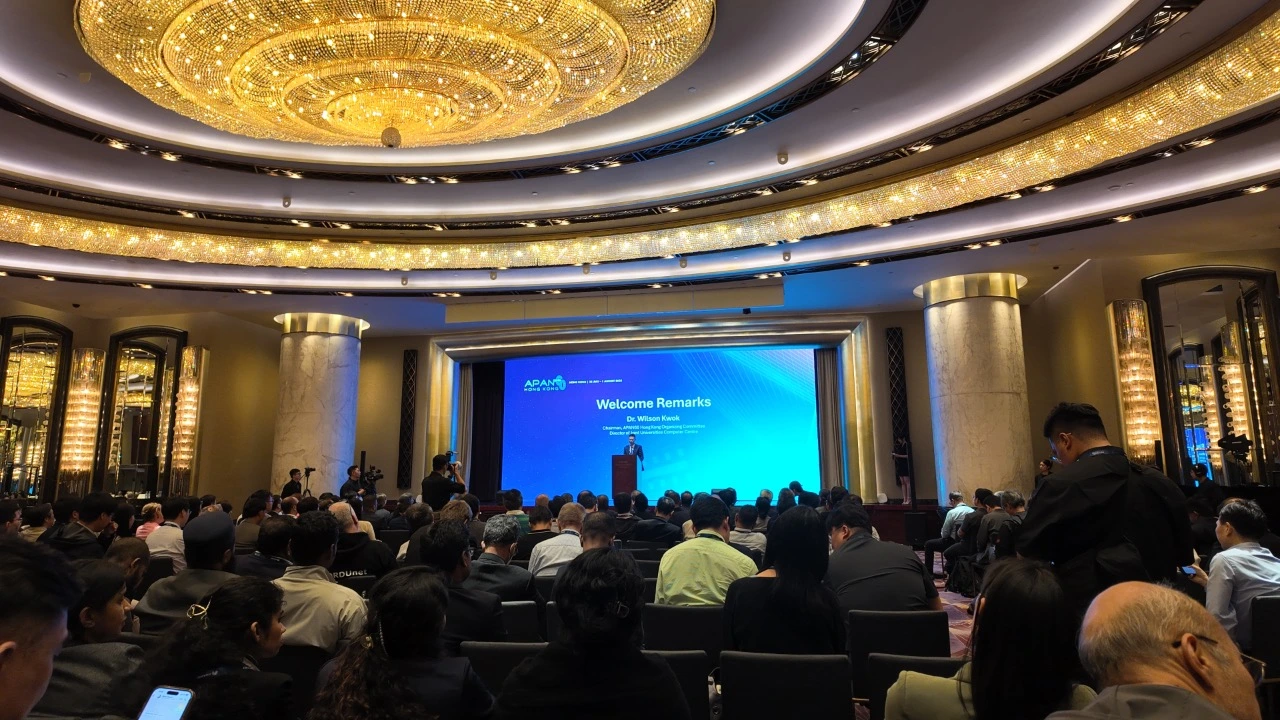
APAN60 in Hong Kong for an AI-Driven Future
At APAN60, experts tackled Internet fragmentation, advocated inclusive governance, and introduced AI and green fibre solutions.

Governance
Why proxies and PoAs are not allowed in new AFRINIC election
AFRINIC bans proxies and powers of attorney after one dispute, enabling ICANN’s quiet power grab in Africa.
Governance
The global fallout of AFRINIC’s governance crisis
AFRINIC’s collapse raises concerns about African internet autonomy and the growing influence of external policy actors over IP resources.
Governance
Understanding AFRINIC’s role—and why this election meltdown matters
The governance crisis within AFRINIC has reached a boiling point, threatening Africa’s autonomy over its internet resources.
Governance
From receivership to reform: AFRINIC’s rocky road ahead
AFRINIC’s collapse deepens as Cloud Innovation demands dissolution, challenging ICANN’s intervention in Africa’s internet governance.
Governance
ICANN CEO Kurtis Lindqvist faces calls to reform intervention rules
Kurtis Lindqvist faces growing pressure to define when and how the organisation should intervene in Regional Internet Registry disputes.

Governance
Why AFRINIC’s election guidelines matter for global internet governance
While AFRINIC promotes its election reforms as transparent, critics say the measures restrict access and worsen governance trust.

Governance
The community should shape AFRINIC’s NomCom
As the Official Receiver creates AFRINIC’s NomCom himself, we must ask if this the best way to restore trust.

Governance
Wavex ISP strengthens DNS and resilience in Kenya
Wavex ISP partners with Quad9 to host DNS nodes locally, improving speed, security and resilience across Kenyan networks.
Governance
Can ICANN regain trust after ignoring its own rules?
ICANN (Internet Corporation for Assigned Names and Numbers) is facing mounting criticism for its actions that seem to disregard its own rules, particularly i…

Governance
IAB contributes to WSIS+20 stakeholder consultations
IAB provides stakeholder inputs for WSIS+20, reinforcing multi-stakeholder internet governance, security, and technical infrastructure.

Governance
APNIC 60 brings internet governance and policy reform to Da Nang in September
APNIC 60 will take place in Da Nang, featuring technical workshops, policy sessions, and a key regional election.
Governance
Lack of accountability: The root cause of AFRINIC electoral fraud
AFRINIC’s proxy ban signals a broader power shift, raising concerns about member rights and multistakeholder integrity.
Governance
Election rigging claims deepen AFRINIC governance crisis
AFRINIC cancels its 2025 election over proxy dispute, eroding trust and deepening concerns about Africa’s internet governance.
Governance
Lessons from AFRINIC: How organisations can better secure assets
AFRINIC’s collapse shows how poor governance endangers critical assets and highlights the need for urgent reform.
Governance
The power struggle over proxy voting in AFRINIC elections
Proxy voting fallout deepens AFRINIC’s governance crisis, as Cloud Innovation demands a wind-up and new registry leadership.

Governance
Desktop Network Solutions: Powering VoIP and fibre
VoIP, fibre, and IT support services by Desktop Network Solutions in Johannesburg.

Governance
IAB urges stronger technical voice in WSIS+20 process
IAB urges UN to include Internet technical community in WSIS+20 process to preserve open and stable Internet.
Governance
Who watches the watchers? AFRINIC and the accountability crisis
AFRINIC’s accountability breakdown exposes global internet governance oversight weaknesses and the risks of unchecked institutional power.