
Getty is a public record based on article evidence, entity context, event links, and relationship context.
BRIA, an Israeli-based AI startup, secured $24 million in Series A funding led by GFT Ventures, Intel Capital, and Entree Capital, with support from Publicis Groupe and Getty Images. This funding aims to expand its responsible visual generative AI platform, enhancing features like text-to-video functionality, and strengthening its developer-oriented open platform. BRIA’s approach addresses controversies surrounding copyrighted content usage in AI training, emphasising responsible practices and transparency through partnerships with major stock providers like Getty.
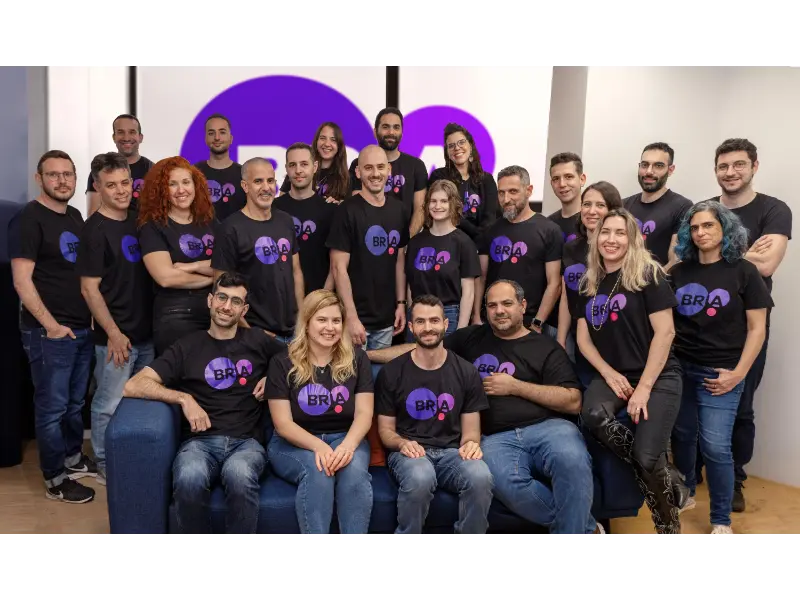
The Israeli-based generative AI startup BRIA has secured $24 million in Series A funding to expand its responsible and ethical visual generative AI platform. This round of funding was led by GFT Ventures, Intel Capital, and Entree Capital, with support from notable investors such as Publicis Groupe and Getty Images. BRIA, backed by Getty, stated in a press release that it will use the newly injected cash to expand its global footprint, enhance capabilities such as text-to-video functionality, and strengthen its developer-oriented open platform.
Other prominent supporters of this round of funding include Samsung Next, IN Venture (Sumitomo Corporation, Japan), Atinum Investment (South Korea), Z Venture Capital (LY Corporation, Japan), Mirae Asset Venture Investment, and J-Ventures. Also read: Apple launches ‘edit by text’ AI image tool BRIA address controversies surrounding the use of copyrighted content Despite the relatively small investment amount in the competitive field of artificial intelligence, BRIA serves as an early example of how licensing agreements address controversies surrounding the use of copyrighted content in training generative AI models.
BRIA’s founder and CEO Yair Adato emphasised the company’s commitment to responsible and commercially viable practices. “With the rapid adoption of generative AI in business operations, 70% of CEOs agree that urgent action is needed to avoid giving competitors a strategic advantage, so the final output must be developed in an ethical, fair, and transparent manner,” Adato said. He added, “Companies must equip themselves with generative AI capabilities as part of their core technology stack so they can seamlessly expand their operations and ensure ownership of intellectual property and data.
This is exactly the service BRIA provides to any company using our licensing platform, and we are excited to have the opportunity to enable more enterprises to generate AI responsibly.” Original licensed images are displayed To increase transparency, every image generated by BRIA is displayed with the original licensed image that contributed to its creation, along with detailed information about each contribution. CEO Adato compared BRIA’s approach to the Spotify model, emphasising the importance of compensating content owners in the era of artificial intelligence.
Meanwhile, Getty Images, a long-time supporter of BRIA since 2022, has been actively engaged in discussions surrounding the use of training data. It’s worth noting that Getty filed a lawsuit against Stability AI last year, accusing it of using its photos without proper permission, highlighting the importance of respecting intellectual property rights in the field of AI. Furthermore, Getty’s collaboration with chip manufacturer Nvidia highlights the evolving landscape of the industry, with major players like Adobe and Shutterstock also offering AI image generation services.
Despite competition, these companies recognise the importance of licensing agreements, as evidenced by their partnerships with Nvidia to provide image generation services using licensed visual effects.
Member Briefing
Deeper Trend Context
Sign in with the right membership level to unlock the full briefing and source notes.
Only for Strategic Circle
Strategic Circle
Open to all readers. Unlock trend briefings after joining and signing in.
Join Strategic CircleOnly for Leadership Alliance
Leadership Alliance
For operators, investors, and policy teams that need relationship evidence, failure paths, and source notes. Sign in to unlock.
Join Leadership AllianceSnapshot
Category
Global Cloud Services TrendsGetty is covered for market relevance.
Region
ASIA PacificSignal Focus
MarketContent Type
EventPrimary Domain
MarketTopic
MarketImpact
MediumConfidence
Good confidence (76%)Confidence score guide
Published reporting