

DeFi 2.
- DeFi 2.0 is revolutionizing decentralized finance by tackling scalability, liquidity, and governance issues.
- New innovations such as Layer 2 solutions, tokenized collateral, and advanced liquidity models are driving the DeFi ecosystem forward.
One year ago, the DeFi space was defined by its rapid growth and breakthrough innovations. Now, with the emergence of DeFi 2.0, the industry is undergoing a transformation, as new advancements aim to solve the challenges that arose from the first wave of decentralized finance. But how successful will DeFi 2.0 be in realizing its promises?
Also read: Layer-2 teams rally behind Ethereum’s overhaul vision
Also read: DeFi and gaming lead blockchain innovation
The evolution of DeFi: What’s changed?
Decentralized Finance (DeFi) has undergone a rapid transformation since its inception. While DeFi 1.0 introduced decentralized exchanges (DEXs), lending protocols, and yield farming, the ecosystem struggled with issues like scalability, governance, and liquidity. This led to high gas fees, slow transaction times, and inefficient liquidity pools, hindering mass adoption.
Enter DeFi 2.0 — the next iteration of decentralized finance. DeFi 2.0 promises to overcome these limitations by introducing technology services such as tokenized collateralization, improved liquidity models, and Layer 2 scaling technologies. It aims to build on the foundation laid by DeFi 1.0 while making decentralized finance more efficient, sustainable, and scalable.
In 2021, DeFi 2.0 began gaining traction as various projects like OlympusDAO, Alchemix, and Synthetix introduced novel concepts to the DeFi space. Through new mechanisms like bonding and staking, DeFi 2.0 projects aim to provide sustainable liquidity, offer more efficient borrowing and lending models, and make decentralized governance more inclusive. These advancements could significantly improve the user experience and unlock new opportunities in the rapidly growing decentralized finance ecosystem.
DeFi 2.0 isn’t just an upgrade; it’s a complete rethink of the DeFi ecosystem, addressing scalability and liquidity issues that have previously hindered growth.”
Andre Cronje, Creator of Yearn Finance
What is DeFi 2.0?
DeFi 2.0 is the next stage of development in the decentralized finance ecosystem, addressing the limitations and inefficiencies seen in DeFi 1.0. While DeFi 1.0 introduced decentralized exchanges (DEXs), lending protocols, and yield farming, DeFi 2.0 seeks to improve these systems through innovation and advanced financial products.
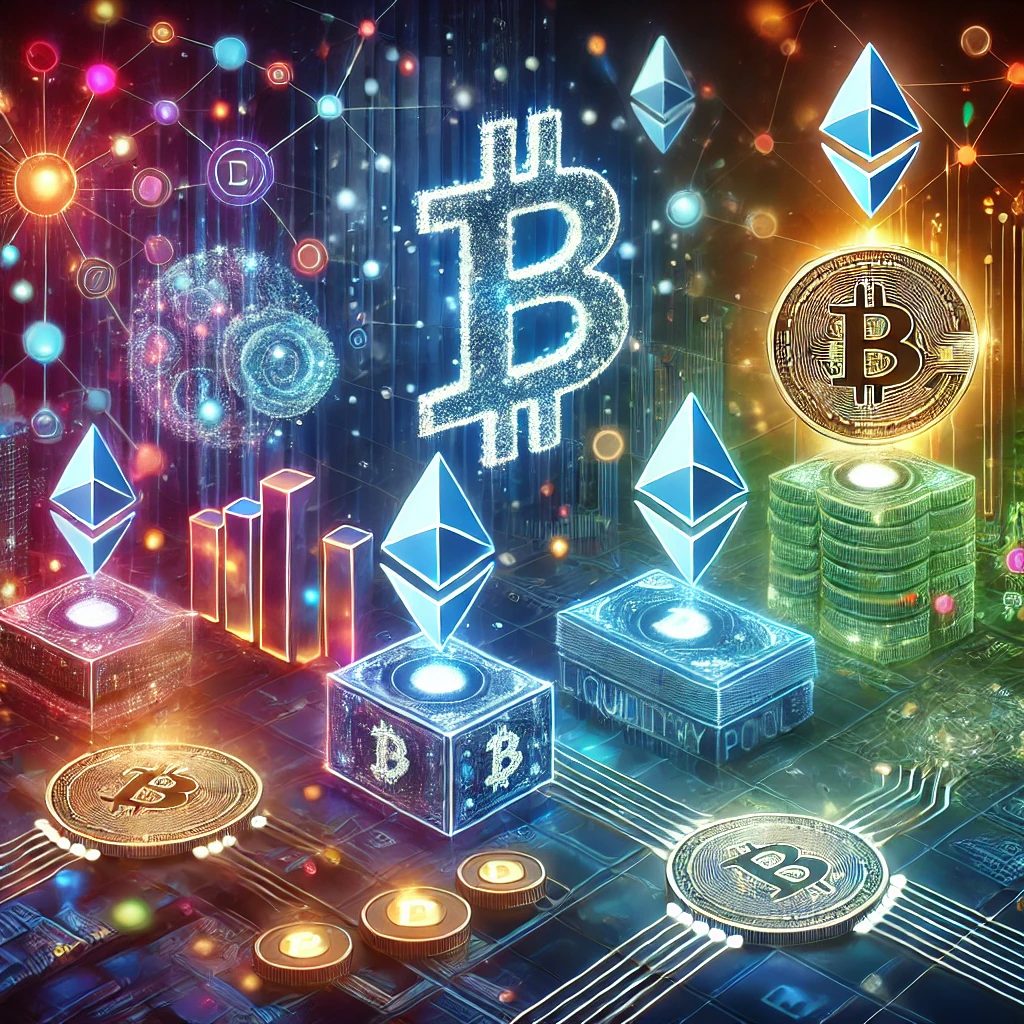
A major feature of DeFi 2.0 is improved liquidity models. In DeFi 1.0, liquidity pools were often shallow, leading to high slippage and inefficient trading. DeFi 2.0 uses novel mechanisms, such as bonding, where users lock up their assets to provide liquidity, and receive rewards in the form of governance tokens. These new liquidity models allow for more stable and sustainable pools, improving the trading experience.
Another key advancement is the introduction of tokenized collateralization. Traditional DeFi lending protocols require overcollateralization, which often results in inefficient use of capital. With DeFi 2.0, protocols like Alchemix allow users to borrow against their collateral, offering them more flexibility and access to liquidity without overextending their positions.
Layer 2 solutions like Arbitrum and Optimism are also crucial to DeFi 2.0. These technologies aim to address Ethereum’s scalability problems by enabling faster, cheaper transactions while still maintaining the security of the Ethereum network. Layer 2 platforms help DeFi protocols scale, reducing gas fees and transaction delays, making DeFi more accessible and efficient.
Layer 2 solutions are the key to the future of DeFi. Without them, we’re limited to a small fraction of what decentralized finance can really achieve.
Chris Blec, Founder of DeFi Watch
Why is DeFi 2.0 important?
DeFi 2.0 matters because it addresses the key issues that have hindered the broader adoption of decentralized finance. As the DeFi ecosystem continues to grow, it is essential to create systems that are scalable, efficient, and accessible to a wider range of users. By improving liquidity, reducing transaction fees, and introducing more advanced financial products, DeFi 2.0 will unlock new opportunities for both users and developers.
One of the most significant advancements in DeFi 2.0 is Layer 2 scalability. With Ethereum’s high gas fees and slow transaction times, many users have been deterred from using DeFi protocols. Layer 2 scaling solutions offer a solution to these issues, enabling faster transactions at a fraction of the cost. This is crucial for DeFi’s long-term success, as it opens the door for mass adoption and enables users to interact with decentralized applications more easily.
Tokenized collateralization also plays a key role in DeFi 2.0’s importance. The traditional overcollateralization model in DeFi 1.0 made borrowing capital inefficient, as users had to lock up more than they borrowed. DeFi 2.0’s ability to allow for more flexible borrowing and lending will make decentralized finance more accessible, empowering users with the liquidity they need for investment opportunities or daily spending.
By integrating decentralized autonomous organizations (DAOs), DeFi 2.0 improves governance, allowing token holders to have a more direct influence on protocol decisions. This creates a more democratic financial ecosystem, reducing the concentration of power in the hands of developers or early investors. With greater inclusivity in governance, DeFi 2.0 can evolve more rapidly and in alignment with the interests of its community.
Governance is one of the key pieces to scaling DeFi. By giving power back to users, DeFi 2.0 builds an ecosystem where everyone has a voice.
Evan Van Ness, a prominent voice in the Ethereum community
The road ahead: Is DeFi 2.0 a success?
The success of DeFi 2.0 will ultimately depend on how well it addresses the existing challenges faced by the DeFi 1.0 ecosystem. While the innovations introduced in DeFi 2.0 have the potential to significantly improve the DeFi space, there are still hurdles to overcome, including regulatory scrutiny and security concerns.
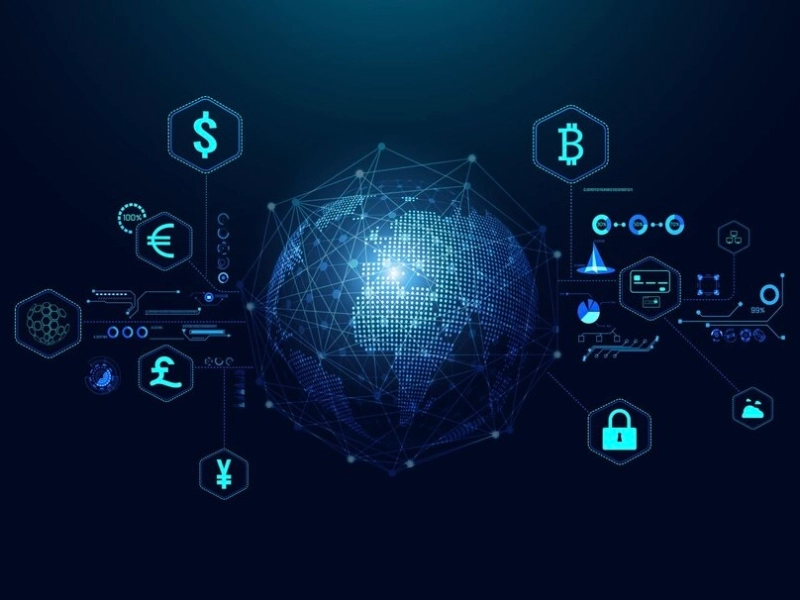
As DeFi projects evolve, they must also focus on security, as the decentralized nature of the ecosystem makes it an attractive target for hackers. With the introduction of more complex financial products like synthetic assets and derivatives, ensuring the security of these platforms is paramount to their long-term success.
Furthermore, the DeFi ecosystem must continue to evolve in response to regulatory challenges. Governments worldwide are still exploring how to regulate decentralized finance, and the future of DeFi will depend on how well it can integrate into existing financial systems while remaining compliant with global regulations.
Despite these challenges, the promise of DeFi 2.0 remains strong. It offers a more scalable, efficient, and user-friendly model for decentralized finance, and if it delivers on its promises, it could bring significant changes to the global financial system.
DeFi 2.0’s ability to solve the liquidity and governance issues, alongside its integration of advanced financial products, positions it to have a lasting impact on the world of finance. If successful, it will create a more inclusive, transparent, and accessible financial ecosystem, empowering individuals and businesses alike to take control of their financial futures.
Pop quiz
How much can DeFi 2.0 potentially improve the decentralized finance ecosystem?
A. By addressing liquidity and scalability issues
B. By limiting governance participation
C. By reducing transaction volume
D. By minimizing the use of Layer 2 solutions
(The correct answer is at the bottom of the article)
DeFi 2.0 marks a crucial moment in the evolution of decentralized finance. It builds upon the successes of DeFi 1.0 and addresses the critical issues that have slowed the adoption of decentralized systems. Through advancements in liquidity, tokenized collateral, governance, and scalability, DeFi 2.0 promises to create a more sustainable, efficient, and inclusive financial ecosystem.
As the DeFi space continues to evolve, the integration of Layer 2 solutions, the rise of DAOs, and the development of new financial products could reshape the future of global finance. While challenges such as security and regulatory concerns remain, the innovations introduced by DeFi 2.0 have the potential to unlock new possibilities and drive further adoption of decentralized finance.
DeFi 2.0’s ability to solve the liquidity and governance issues, alongside its integration of advanced financial products, positions it to have a lasting impact on the world of finance. Whether it will succeed in its ambitious goals remains to be seen, but one thing is clear: the future of finance is decentralized, and DeFi 2.0 is leading the way.
Quiz answer
A. By addressing liquidity and scalability issues
Member Briefing
Deeper Trend Context
Sign in with the right membership level to unlock the full briefing and source notes.
Only for Strategic Circle
Strategic Circle
Open to all readers. Unlock trend briefings after joining and signing in.
Join Strategic CircleOnly for Leadership Alliance
Leadership Alliance
For operators, investors, and policy teams that need relationship evidence, failure paths, and source notes. Sign in to unlock.
Join Leadership AllianceSnapshot
Category
Global Cloud Services TrendsRegion
GlobalSignal Focus
GovernanceContent Type
EventPrimary Domain
MarketTopic
GovernanceImpact
MediumConfidence
Limited confidence (80%)Confidence score guide
Several public sources