
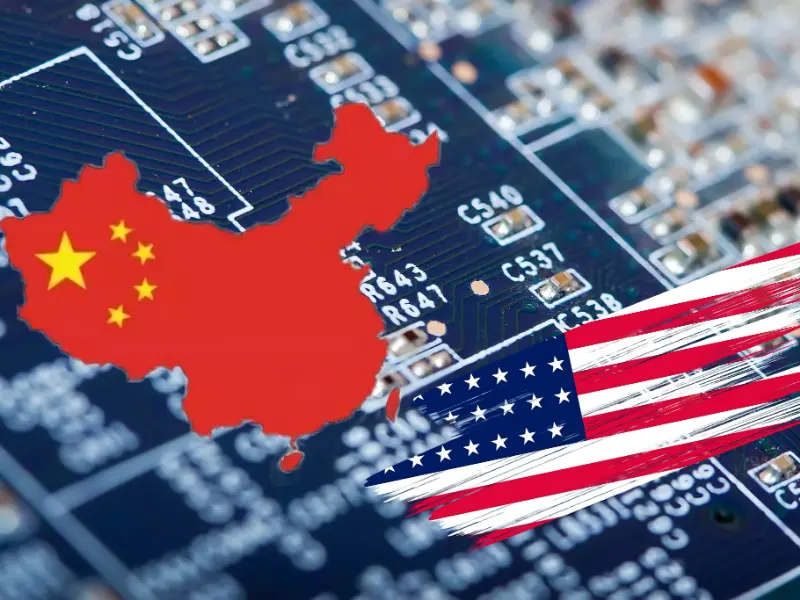
- Semiconductor index loses over $500 billion in stock value.
- Concerns rise over potential US export restrictions to China.
OUR TAKE
The recent market turmoil underscores the fragile balance between technological advancement and geopolitical strategy. While protective measures might seem necessary, the collateral damage to investor confidence and the broader economy cannot be ignored. The emotional toll on individuals, from seasoned investors to everyday employees, highlights the human side of these high-stakes decisions. It’s a stark reminder that behind every stock ticker are real lives affected by the relentless march of policy and market forces.
Doris Du, BTW reporter
Wall Street’s semiconductor index suffered its most significant drop since 2020, shedding more than $500 billion on Wednesday following reports that the US is considering tighter export controls on advanced semiconductor technology to China.
What happened
The steep decline was triggered by reports from Bloomberg News indicating that the United States might implement stricter trade curbs if companies continue supplying China with advanced semiconductor technology. This news intensified market fears and led to a massive sell-off in chip stocks.
Donald Trump’s comments further exacerbated the situation. The Republican presidential nominee stated that Taiwan should compensate the US for its defence efforts, as it receives no benefits in return. This remark added to the anxiety among investors, particularly those with interests in semiconductor production.
Also read: US mulls tougher trade curbs in chip crackdown on China
Also read: ASML orders beat estimates as AI boom fuels chip giant
Why it’s important
The US government’s protective stance on semiconductor manufacturing has intensified in recent years, viewing it as crucial for national security and competition with China. President Joe Biden’s administration has already imposed significant restrictions on Chinese access to advanced chip technology, impacting the sales of US chipmakers to China. Nvidia, for example, saw its revenue from China drop from 66% in the previous year to 18% in the quarter ending April 28.
Dutch chipmaking equipment provider ASML Holding’s shares plummeted 13%, despite surpassing second-quarter profit estimates. AI giant Nvidia fell nearly 7%, losing over $200 billion in market capitalisation. Other companies like AMD, Arm, Micron, and Broadcom also experienced significant declines.
However, US-based chip manufacturers like GlobalFoundries and Intel saw gains, with some analysts suggesting that Intel could benefit from the geopolitical tensions due to its domestic production capabilities.
Personal perspective
The volatile swings in the semiconductor market reflect not just economic calculations but also deep-seated anxieties about the future of technology and global power dynamics. As nations grapple with these changes, the personal impact on investors and employees in the industry is profound. Seeing the value of hard-earned investments evaporate within hours can be emotionally devastating, shaking the confidence of those who have long relied on the stability and growth of the tech sector.