

- University College London (UCL) established the UK’s inaugural internet connection in 1973.
- This connection linked the UK to the ARPANET, the precursor to the modern internet.
The advent of packet switching
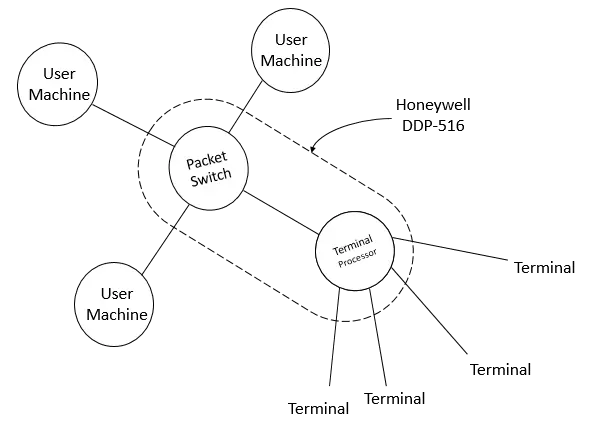
The UK’s foray into internet technology was significantly influenced by the development of packet switching—a method of data transmission that segments data into packets for efficient routing. In 1965, Donald Davies of the National Physical Laboratory (NPL) conceptualized this technique, which became foundational for future network communications. Davies’ work paralleled similar research in the United States, notably by Paul Baran at RAND Corporation. The NPL network, operational by 1969, was among the first to implement packet switching, setting the stage for subsequent innovations.
UCL’s connection to ARPANET
In 1973, under the leadership of Professor Peter Kirstein, University College London (UCL) became one of the first international nodes to connect to the ARPANET, the U.S. Department of Defense’s experimental network and the internet’s precursor. This connection was facilitated through a dedicated line to the University of Southern California, enabling collaborative research and data exchange between the UK and the U.S.
Also read: Energy firms pledge $98B to rewire Britain’s grid
Navigating early networking
Establishing this transatlantic link was fraught with technical challenges, including compatibility issues between differing computer systems and communication protocols. The UCL team worked diligently to develop interfaces and protocols that would allow seamless data transmission across the network. This endeavor not only demonstrated the feasibility of international networking but also highlighted the need for standardized protocols—a realization that would later lead to the development of the Transmission Control Protocol (TCP) and the Internet Protocol (IP).
Also read: Britain’s crypto rules promise big changes by 2026

The role of British researchers
British scientists played a pivotal role in the early development of internet technologies. Donald Davies’ invention of packet switching at NPL provided a crucial building block for network communications. Peter Kirstein’s efforts at UCL in connecting to ARPANET facilitated international collaboration and underscored the importance of global connectivity. These contributions were instrumental in shaping the internet’s evolution and underscored the UK’s role in the digital revolution.
And of course in 1989, with the development of the World Wide Web, Tim Berners-Lee provided the killer application that would make the internet essential to all types of commercial and government use. The simplicity and ease of use of the web and web browsers, together with the internet as the distribution mechanism underpinning it, laid the basis for the universal use of the internet we have today.
Also read: Blackstone confirms $13.3B investment in AI data centre in Britain
Insights from key figures
Reflecting on this historic achievement, Professor Peter Kirstein remarked, “Our connection to ARPANET was a significant step in demonstrating the potential of international collaboration in computer networks.” This sentiment was echoed by contemporaries who recognized the groundbreaking nature of this work.
The UK’s enduring influence on the enternet
The successful connection of UCL to ARPANET in 1973 marked the UK’s entry into the global internet community. This milestone laid the groundwork for subsequent developments in networking and information technology within the UK. The pioneering efforts of British researchers not only contributed to the technical foundations of the internet but also fostered a culture of innovation and collaboration that continues to influence the digital landscape today.
The UK’s first internet connection was a landmark achievement that showcased the nation’s capacity for innovation and its commitment to advancing technology. The collaborative efforts of institutions like UCL and NPL, along with visionary researchers, established the UK as a key player in the early days of the internet. This legacy of innovation continues to inspire and drive the UK’s contributions to the ever-evolving digital world.