U.S. new rules prohibit investment in Chinese AI, tech sector is a BTW intelligence profile anchored in public article evidence, object context, event links, and relationship watchpoints.
U.S. new rules prohibit investment in Chinese AI, tech sector is tracked as a source-backed subject connected to governance coverage.
U.S. new rules prohibit investment in Chinese AI, tech sector is tracked because public evidence links it to internet infrastructure, governance, market, or operational-dependency signals.
U.S. new rules prohibit investment in Chinese AI, tech sector is tracked because public evidence links it to internet infrastructure, governance, market, or operational-dependency signals.
U.S. new rules prohibit investment in Chinese AI, tech sector is tracked as a source-backed subject connected to governance coverage.
The article supports medium-impact monitoring of infrastructure visibility, relationship movement, and operational dependency.
U.S. new rules prohibit investment in Chinese AI, tech sector is a BTW intelligence profile anchored in public article evidence, object context, event links, and relationship watchpoints.
The article supports medium-impact monitoring of infrastructure visibility, relationship movement, and operational dependency.
| 0.90–1.00 | A | High — direct sources |
| 0.75–0.89 | A/B | Strong |
| 0.55–0.74 | B/C | Medium |
| 0.35–0.54 | C/D | Weak–medium |
| 0.10–0.34 | D | Weak signal |
| 0.00–0.09 | D | Internal monitoring |
Secondary-source
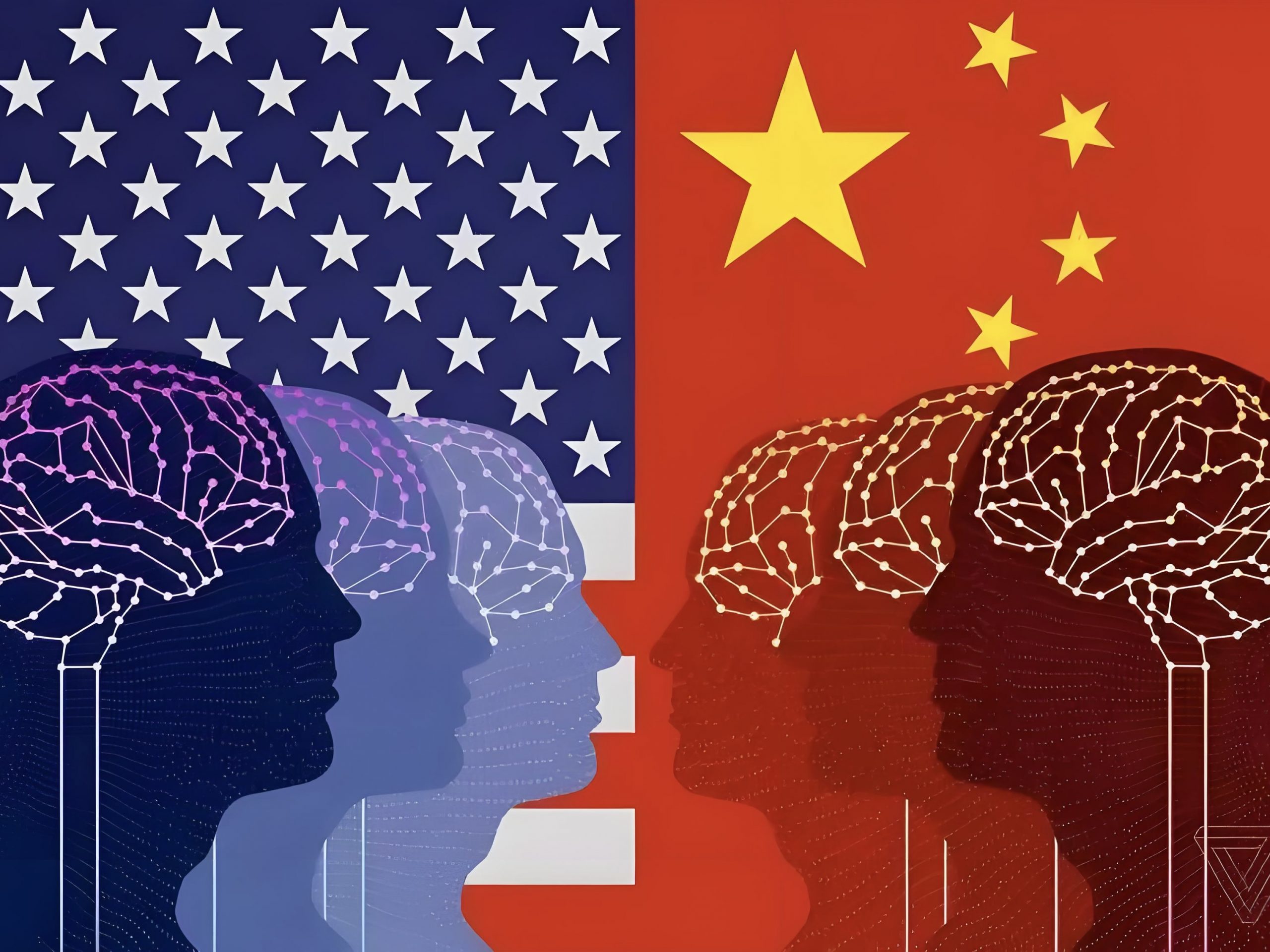
U.S. is to implement the rules by the end of this year, and public comments on the proposed rules will be accepted until August 4. The new rules are intended to prevent U.S. funds from helping China develop its capabilities and modernize its military in these areas. OUR TAKE On the surface, this move by the U.S. is to safeguard its national interests. In fact, it violates the principles of market economy and fair competition, undermines the international economic and trade order, disrupts the stability of the global industrial chain and supply chain, and will harm the interests of the business communities of China, the U.S and the rest of the world. In essence, it is anti-globalization and desinicization. –Zora Lin, BTW reporter What happened The Treasury Department , part of the Biden administration, issues a 12-page draft rule last week that will regulate certain U.S. investments in semiconductors and microelectronics, quantum computing and artificial intelligence, and prohibit or require restrictions on Chinese investments in AI and other technologies. The Treasury says the new rules are intended to implement “a narrow, targeted national security program” that would focus on certain foreign investments in countries of concern. The order focuses initially on China, Macao and Hong Kong, but U.S. officials have said it could be widened later. “This proposed rule seeks to promote our national security by preventing the many benefits provided by certain U.S. investments, not just capital, from being used to support the development of sensitive technologies by countries that could use those technologies to threaten our national security,” Paul Rosen says, assistant secretary for investment security at the Treasury Department. Also read: U.S. urges allies to tighten control over Chinese semiconductors Also read: Spotify raises U.S. premium plan prices to boost margins Why it’s important In fact, the proposed rules released by the U.S. Treasury Department are based on Executive Order 14105 of August 9, 2023, signed by US President Joe Biden in October last year a new regulatory policy that restricts investment and protects the development of AI in the United States. On October 30 last year, President Biden issued a new executive order on AI that will take the most comprehensive action ever, setting new standards for AI safety and security, protecting Americans’ privacy, promoting fairness and civil rights, and safeguarding the interests of consumers and workers, thereby ensuring U.S. leadership in AI. And manage their potential risks. The administration said the executive order was a landmark. “Make AI work for the American people.” According to the administration’s ai.gov website, AI is Biden’s top priority. Biden has made clear that the United States must take bold action to harness the benefits of AI and mitigate its risks, protect security and rights in the age of AI, and allow everyone to benefit from AI’s promise. The Chinese Foreign Ministry spokesperson said China is strongly dissatisfied with and firmly opposed to the US’s insistence on introducing restrictions on investment in China. Under the pretext of national security, the US restricts US companies’ investment in China and engages in pan-security and pan-politicization. The real purpose is to deprive China of its right to development and safeguard its own hegemonic interests. It is a blatant act of economic coercion and scientific and technological bullying.
Event Brief
- Event: U.S. new rules prohibit investment in Chinese AI, tech sector
- Signal Type: Governance
- Region: Asia Pacific
- Classification: Institution Type
Exposure Surface
- Public evidence identifies the actors, affected object, and market exposure under review.
Legal and Market Surface
- The article supports medium-impact monitoring of infrastructure visibility, relationship movement, and operational dependency.
- Operational relevance: Medium
- Time horizon: Quarter (30-120d)
Decision Trigger Matrix
- Monitoring focuses on court status, settlement terms, participant exposure, and related market precedent.
Member Unlock
Restricted Event Intelligence
Login is required to unlock full event briefings and deep-dive sections.
Only for Strategy Circle
Strategic Circle Access
Open to all readers. Unlock event briefings after joining and logging in.
Join Strategic CircleOnly for Leadership Alliance
Leadership Alliance Access
For operators, investors, and policy teams that need relationship evidence, failure paths, and source notes. Login required to unlock.
Join Leadership Alliance