What is cloud scalability? A beginner’s guide is tracked as a internet infrastructure institution within the internet infrastructure ecosystem.
What is cloud scalability? A beginner’s guide has public-source relevance to network operations, governance, dependency mapping, or market structure.
What is cloud scalability? A beginner’s guide has public-source relevance to network operations, governance, dependency mapping, or market structure.
What is cloud scalability? A beginner’s guide is tracked as a internet infrastructure institution within the internet infrastructure ecosystem.
Public-source signals support medium-impact monitoring for infrastructure visibility and dependency analysis.
Public-source signals support medium-impact monitoring for infrastructure visibility and dependency analysis.
| 0.90–1.00 | A | High — direct sources |
| 0.75–0.89 | A/B | Strong |
| 0.55–0.74 | B/C | Medium |
| 0.35–0.54 | C/D | Weak–medium |
| 0.10–0.34 | D | Weak signal |
| 0.00–0.09 | D | Internal monitoring |
Several public sources
- Cloud scalability allows businesses to efficiently scale computing resources up or down based on demand, ensuring cost-effectiveness and optimal performance
- It is a core feature of major cloud platforms like AWS, Azure, and Google Cloud, enabling companies to adapt quickly to changing market needs
In today’s digital-first world, businesses must adapt quickly to fluctuating demands and customer expectations. One of the core solutions enabling this agility is cloud scalability. But what exactly does cloud scalability mean, and why is it so crucial for modern businesses? This guide will break it down for you in simple terms.
Also read: The future of secure cloud computing
Also read: What is cloud data integration and why is it important?
What is cloud scalability?
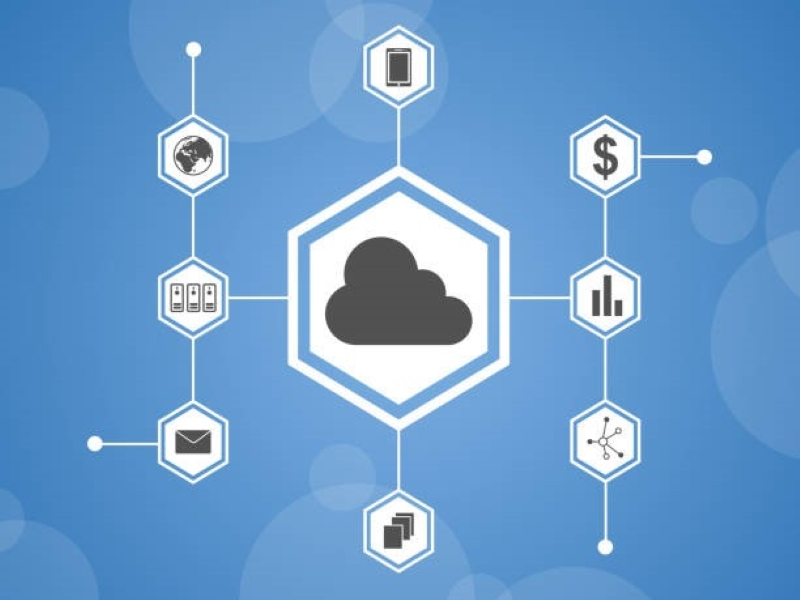
At its core, cloud scalability refers to the ability of a cloud computing system to handle increasing or decreasing workloads efficiently. It enables businesses to scale up resources during peak times or scale down when demand is lower, all without compromising performance or user experience.
Scalability is a defining feature of cloud computing platforms like Amazon Web Services (AWS), Microsoft Azure, and Google Cloud Platform (GCP). It allows companies to adapt to changes in demand without needing to invest in or maintain expensive on-premises infrastructure.

Types of cloud scalability
There are three main types of cloud scalability:
- Vertical Scaling (Scaling Up/Down)
Vertical scaling involves increasing or decreasing the capacity of an existing server. For example, adding more RAM or CPU power to a virtual machine to accommodate a higher workload. This type of scaling is ideal for applications with predictable growth. - Horizontal Scaling (Scaling Out/In)
Horizontal scaling involves adding or removing instances (servers) to manage changes in demand. For instance, an e-commerce site might add more servers during a holiday sale to handle increased traffic. Horizontal scaling is especially useful for applications requiring high availability and fault tolerance. - Diagonal Scaling
This combines vertical and horizontal scaling. Businesses can scale vertically to an extent and then scale horizontally as needed, ensuring flexibility and cost-effectiveness.

Why is cloud scalability important?
- Cost Efficiency
With scalability, you only pay for the resources you use. This eliminates the need for over-provisioning resources or investing in costly infrastructure that may remain underutilized.
- Performance Optimization
Scalable cloud systems ensure optimal performance during traffic spikes, preventing slowdowns or crashes that can harm user experience.
- Business Agility
Scalability allows businesses to respond quickly to changing market demands, such as launching new features or expanding to new markets.
- Reliability and Availability
Horizontal scaling supports redundancy, ensuring that applications remain available even if one server fails.
Real-world examples of cloud scalability

- E-Commerce Platforms: During Black Friday sales, online retailers rely on cloud scalability to handle the massive surge in website traffic.
- Streaming Services: Platforms like Netflix use cloud scalability to provide a seamless viewing experience, even when millions of users are online simultaneously.
- Startups: A growing startup can use scalable cloud services to expand its operations without worrying about infrastructure limitations.
How to implement cloud scalability
- Choose the Right Cloud Provider
Compare features like auto-scaling, pricing, and support from providers like AWS, Azure, and GCP to find the best fit for your needs. - Optimize Applications for Scalability
Design applications to support modular scaling, ensuring they can handle changes in demand without disruption. - Monitor and Adjust
Use tools like AWS CloudWatch or Google Cloud Monitoring to track resource usage and make adjustments in real-time.
Domain of operation
What is cloud scalability? A beginner’s guide is profiled by BTW Media because published evidence links it to internet infrastructure, governance, operational dependencies, or market visibility.
- Public role: What is cloud scalability? A beginner’s guide is framed by what is cloud scalability? a beginner’s guide is tracked as a internet infrastructure institution within the internet infrastructure ecosystem. and public technology context. Evidence basis: What is cloud scalability? A beginner’s guide article record; What is cloud scalability? A beginner’s guide article record
- Operating surface: Market and Global provide the public context for this institution profile. Evidence basis: What is cloud scalability? A beginner’s guide article record; What is cloud scalability? A beginner’s guide article record
Timeline
- What is cloud scalability? A beginner’s guide public profile updated
Public coverage records What is cloud scalability? A beginner’s guide as a subject for role, operating context, and evidence review.
At A Glance
- Name: What is cloud scalability? A beginner’s guide
- Type: Internet infrastructure institution
- Base: Global
- Profile focus: Institution
What It Does
- Public records support monitoring of its role, services, and key relationships.
Why It Matters
- Public-source signals support medium-impact monitoring for infrastructure visibility and dependency analysis.
- Operational criticality: Medium
- Time horizon: Next quarter
What To Watch
- Monitoring focuses on verified service continuity, governance changes, and relationship signals.
Track verified source updates, role changes, and current public evidence.
Public-source signals support medium-impact monitoring for infrastructure visibility and dependency analysis.
Longer-term relevance depends on verified operating, policy, and relationship changes.
Member Briefing
Deeper Profile Context
Login is required to unlock the full profile briefing and source notes.
Only for Strategy Circle
Strategic Circle Access
Open to all readers. Unlock profile briefings after joining and logging in.
Join Strategic CircleOnly for Leadership Alliance
Leadership Alliance Access
For owners and management of IP-holding companies. Login required to unlock.
Join Leadership AlliancePublic View
The public read of What is cloud scalability? A beginner’s guide is limited to visible role, operating context, and relationship evidence.
Watchpoints
- New public role, affiliation, product, policy, or market disclosures.
- Verified relationship changes involving named organizations or people.
Caveats
- Private or unverified claims are excluded from this public view.
FAQ
Why is What is cloud scalability? A beginner’s guide included?
What is cloud scalability? A beginner’s guide has public evidence that makes the institution relevant to BTW's coverage of digital infrastructure, governance, or markets.
What is public about this profile?
The public layer covers visible role, operating context, linked organizations, and evidence-backed watchpoints.
What should readers watch next?
Readers should watch for source-backed role changes, new partnerships, regulatory exposure, operating expansion, or evidence that changes the public assessment.