
- Homes are printed in about three weeks, which is faster than traditional construction methods.
- The homes feature concrete walls that are resistant to water, mould, termites, and extreme weather conditions.
OUR TAKE
The project showcases the potential of 3D printing technology in residential construction, which can revolutionise how homes are built. This method is faster and more efficient compared to traditional construction, which is crucial in addressing housing shortages. The project serves as a case study for the integration of advanced technology in construction, potentially inspiring further innovations in the industry.
-Lia XU, BTW reporter
What happened
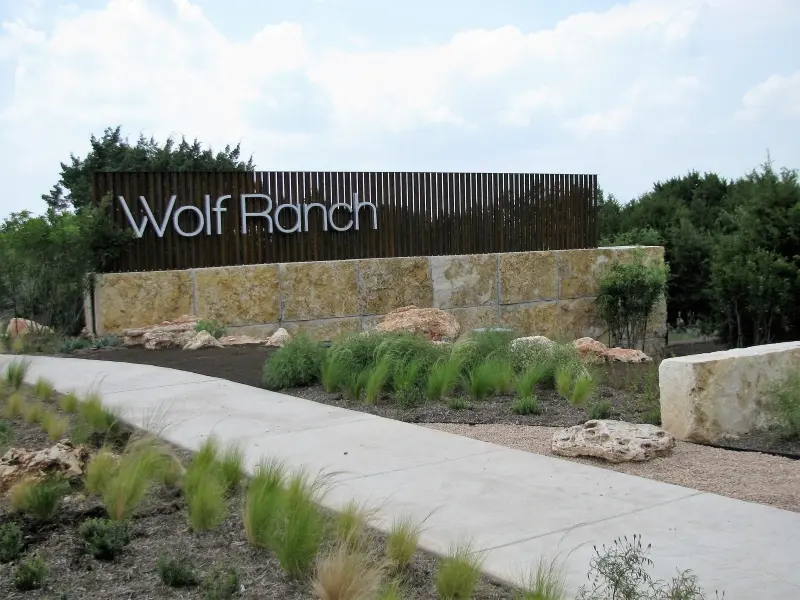
The world’s largest 3D-printed neighbourhood in Wolf Ranch, Georgetown, Texas, is nearing completion, with the robotic printer from ICON finishing the last few of 100 homes this summer. ICON began printing the walls of what it says is the world’s largest 3D-printed community in November 2022. The Vulcan printer, which is over 45 feet wide and weighs 4.75 tons, constructs homes layer by layer using a concrete mixture. This method allows for faster construction, taking about three weeks to print a single-story home with three to four bedrooms.
“It brings a lot of efficiency to the trade market. So, where there were maybe five different crews coming in to build a wall system, we now have one crew and one robot”, ICON senior project manager Conner Jenkins said.
The project has streamlined the construction process by reducing the number of crews needed. Instead of multiple teams, only one crew and one robot are required, which enhances efficiency and reduces labour costs.
Also read: 3D-printed units boost Marine life along Dublin Harbour
Also read: Nvidia enhances NIM suite and supports for 3D and robotics
Why it’s important
The project demonstrates that 3D printing can significantly change the construction landscape by making the building process faster and more efficient. Using a single robotic printer instead of multiple crews highlights the potential for reduced labour costs and increased productivity. This efficiency can help address housing shortages more effectively, making homeownership more accessible.
Besides, the concrete walls of the homes are designed to withstand various environmental challenges, including extreme weather, mould, and pests. This aspect is crucial for ensuring the long-term safety and comfort of residents, particularly in regions prone to natural disasters.
Therefore, the success of this project could pave the way for more widespread adoption of 3D printing in residential construction, potentially leading to further innovations and improvements in building practices. It sets a precedent for future developments in sustainable and efficient housing.