

- Hong Kong’s stringent regulatory environment, with strict licensing requirements and comprehensive compliance measures, creates high barriers to entry for crypto businesses, deterring many from setting up operations in the city.
- Recent political unrest and the increasing influence of mainland China contribute to an unstable business environment, which makes Hong Kong less attractive for long-term crypto investments.
- Other regions like Singapore, Malta, and Switzerland offer clearer, more supportive regulatory frameworks and incentives for the crypto industry, making them more appealing destinations for blockchain and crypto companies.
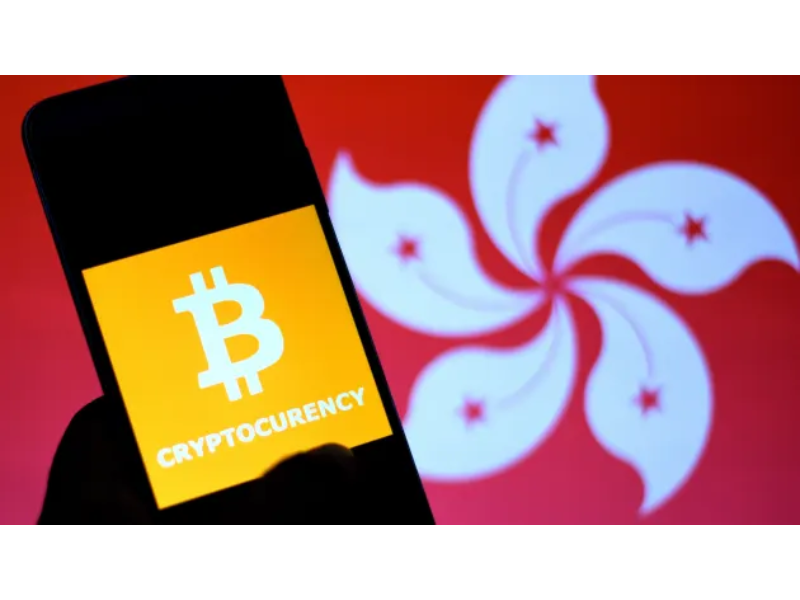
Hong Kong is a globally recognised financial hub, known for its robust banking system, favorable tax regime, and strategic location. However, despite these advantages, it has not emerged as a leading center for cryptocurrency activities. While other financial centers like Singapore, Malta, and Switzerland have become prominent in the crypto space, Hong Kong’s journey has been less dynamic. This feature explores the reasons behind Hong Kong’s relatively limited presence in the global crypto market, incorporating insights from experts and industry stakeholders.
Regulatory environment: A double-edged sword
One of the primary reasons for Hong Kong’s lag in becoming a crypto hub is its regulatory environment. While regulation is crucial for ensuring market integrity and protecting investors, overly stringent regulations can stifle innovation and deter businesses.
The Securities and Futures Commission (SFC) of Hong Kong has implemented strict guidelines for cryptocurrency exchanges and related activities. These include mandatory licensing and comprehensive compliance measures. For example, crypto exchanges must obtain a license and adhere to stringent anti-money laundering (AML) and know-your-customer (KYC) requirements. While these measures are designed to prevent fraud and protect consumers, they can also be seen as burdensome.
“The SFC’s regulations are designed to protect investors, but they also create high barriers to entry. ”
Angela Chan, a fintech lawyer
Competitive global landscape
Hong Kong’s cautious regulatory stance contrasts sharply with the more proactive approaches seen in other jurisdictions. Countries like Singapore, Malta, and Switzerland have positioned themselves as crypto-friendly hubs by offering clear regulatory frameworks, tax incentives, and a supportive environment for blockchain innovation.
“Singapore’s regulatory framework is more straightforward and supportive of crypto businesses.”
Peter Lim, a Singapore-based venture capitalist
Singapore, for instance, has implemented the Payment Services Act, which provides a clear regulatory framework for digital payment token services. This legislation offers legal certainty and a supportive environment, making Singapore a preferred destination for crypto businesses.
Similarly, Malta has established itself as a “Blockchain Island” by creating a comprehensive legal framework for blockchain and crypto activities. The Maltese government actively promotes blockchain technology, which has attracted numerous crypto companies to the island.
Also read: Hong Kong regulators greenlight spot bitcoin and ether ETFs
Political and social factors
Hong Kong’s political landscape has been marked by significant unrest and uncertainty in recent years. The increasing influence of the Chinese government have created an environment of instability, which can deter international businesses and investors.
“Political uncertainty is a major concern for any business, and the crypto sector is no exception. ”
Laura Lau, a financial analyst
Additionally, while Hong Kong operates under the “one country, two systems” framework, its policies are often influenced by mainland China’s stance. Given China’s stringent crackdown on cryptocurrencies, Hong Kong’s regulatory approach may also reflect Beijing’s cautious attitude towards the industry.
Infrastructure and market development
The development of a robust crypto ecosystem requires a combination of advanced infrastructure, supportive policies, and market maturity. While Hong Kong has a sophisticated financial infrastructure, its crypto ecosystem is still developing.
Traditional financial institutions in Hong Kong may also be hesitant to engage with the cryptocurrency sector due to regulatory uncertainties and risk management concerns. This reluctance limits the availability of financial services to crypto businesses, hindering their growth and operational capabilities.
Comparison with global leaders
To understand why Hong Kong has not become a global crypto center, it is helpful to compare it with leading crypto-friendly jurisdictions.
Singapore
Singapore’s clear regulatory framework, coupled with its supportive government policies, has made it a hub for crypto and blockchain innovation. The Monetary Authority of Singapore (MAS) actively engages with the industry to create a conducive environment for growth.
Switzerland
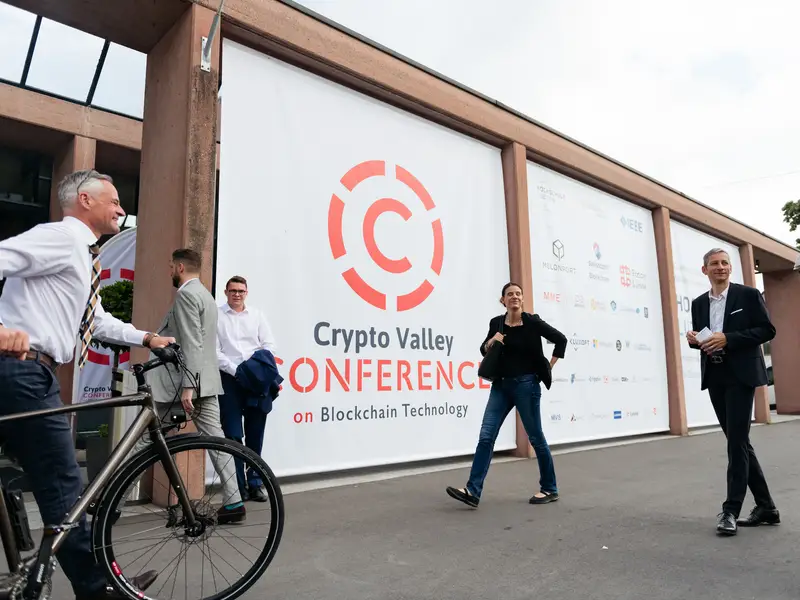
Switzerland, particularly the canton of Zug (known as “Crypto Valley”), has become a prominent location for crypto companies due to its favorable regulatory environment, legal clarity, and supportive government initiatives.
Malta
Malta has taken significant steps to become a leading blockchain and crypto destination. The Maltese government has implemented a comprehensive regulatory framework and actively promotes the industry.
Also read: Cryptocurrency: Policy shifts and market trends
Future prospects for Hong Kong
Despite the challenges, Hong Kong has the potential to become a significant player in the global crypto market. To achieve this, it needs to address several key areas:
Regulatory clarity and support
Hong Kong’s regulators need to strike a balance between protecting investors and fostering innovation. Providing clearer guidelines and reducing regulatory uncertainty can encourage more crypto businesses to establish operations in the city.
Investment in infrastructure
Investing in the development of a robust crypto ecosystem is essential. This includes supporting blockchain startups, providing access to financial services, and fostering a culture of innovation.
Addressing political uncertainty
While political factors are challenging to control, efforts to maintain stability and transparency can help build confidence among international investors and businesses.
Hong Kong’s status as a major financial center is undisputed, but its journey to becoming a global crypto hub is fraught with challenges. The regulatory environment, competitive global landscape, political uncertainties, and the need for infrastructure development all play a role in shaping its position in the crypto market.
By addressing these challenges and leveraging its strengths, Hong Kong has the potential to emerge as a significant player in the global crypto landscape. Achieving this will require a balanced regulatory approach, investment in infrastructure, and efforts to maintain political stability. As the global crypto market continues to evolve, Hong Kong’s ability to adapt and innovate will determine its future role in this dynamic industry.