
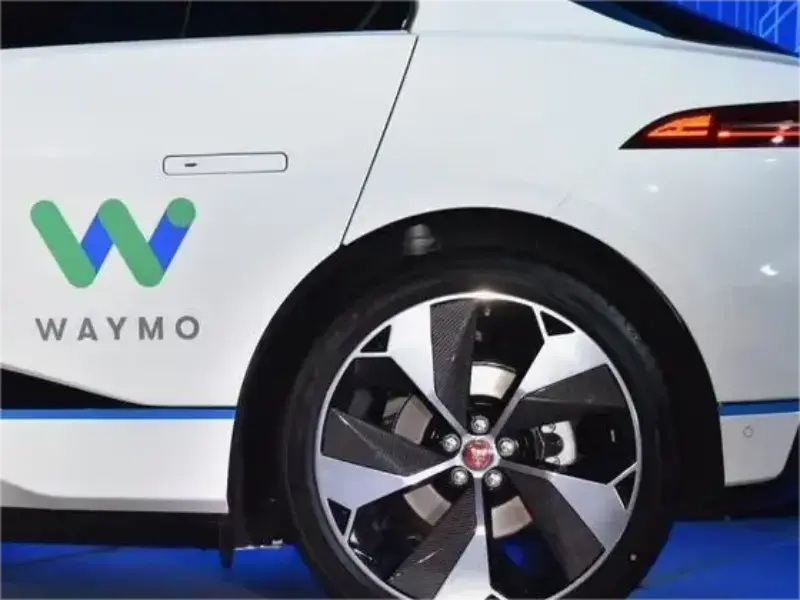
- Waymo published a blog post today previewing its new sixth-generation robotaxi, an electric minivan made by Chinese automaker Extreme Krypton.
- The company said its sixth-generation hardware is “optimised for cost”, but made no mention of possible tariffs on Chinese electric cars.
OUR TAKE
Waymo claims that its new robot taxis will be cheaper to produce, but implicitly it could also impose expensive new tariffs on Chinese-made electric cars.As a result, it will become increasingly important for robot taxi companies, especially foreign ones, to keep costs down. Lowering costs will become increasingly important as self-driving taxi companies look to expand and reach new markets.
— Iydia Ding, BTW reporter
What happened
Waymo published a blog post today previewing its new sixth-generation robotaxi, an electric minivan made by Chinese automaker Extreme Krypton. The company said its sixth-generation hardware is “optimised for cost”, but made no mention of possible tariffs on Chinese electric cars.
In the post, Waymo’s vice president of engineering, Satish Jeyachandran, touts the new robotaxi as being more high-tech than past iterations, while also featuring fewer sensors to help lower costs for the Alphabet-owned company.
But while Waymo claims that its new robotaxi will be cheaper to produce, what’s looming is that it could also impose expensive new tariffs on Chinese-made electric cars. Earlier this year, the Biden administration said it would triple tariffs on electric vehicles from China to 100 per cent from the current 25 per cent as a way to “protect American workers and American companies from China’s unfair trade practices”.
Jeyachandran didn’t include any details about when or where the new sixth-generation robotaxi will make its first appearance. It is hoped that the company will be able to remove the uncertainty surrounding the state of vehicle imports before then.
Also read: Waymo to expand autonomous ride-hailing service areas in Los Angeles, San Francisco
Also read: Alphabet to invest $5B in Waymo to expedite auto-driving market
Why it’s important
There was no mention of the tariff in Jeyachandran’s update about its new robotaxi, and it’s safe to assume that Waymo isn’t hiding the car’s origins; it was prominently featured in past announcements about the new self-driving taxi. The new levy is expected to take effect later this year, and Waymo can apply for an exemption if it wishes.
To be sure, the cost savings discussed in Jeyachandran’s article come from the self-driving system, without taking into account any macroeconomic conditions. In that regard, there are many other new features of the new car that are worth highlighting. Waymo’s use of multiple sensors is important for redundancy, where multiple sensors and cameras ensure that the vehicle can continue to detect and respond to its surroundings in the event of a malfunction.
Meanwhile, other companies are trying to cut costs by eliminating or downplaying certain sensors, mainly lidar. Reducing costs will become increasingly important for robo-taxi companies as they look to scale up and expand into new markets.