
Institution Profiling / Internet infrastructure institution

Types of crypto wallets: Understanding your best options

Types of crypto wallets: Understanding your best options is tracked as a internet infrastructure institution within the internet infrastructure ecosystem.

Types of crypto wallets: Understanding your best options
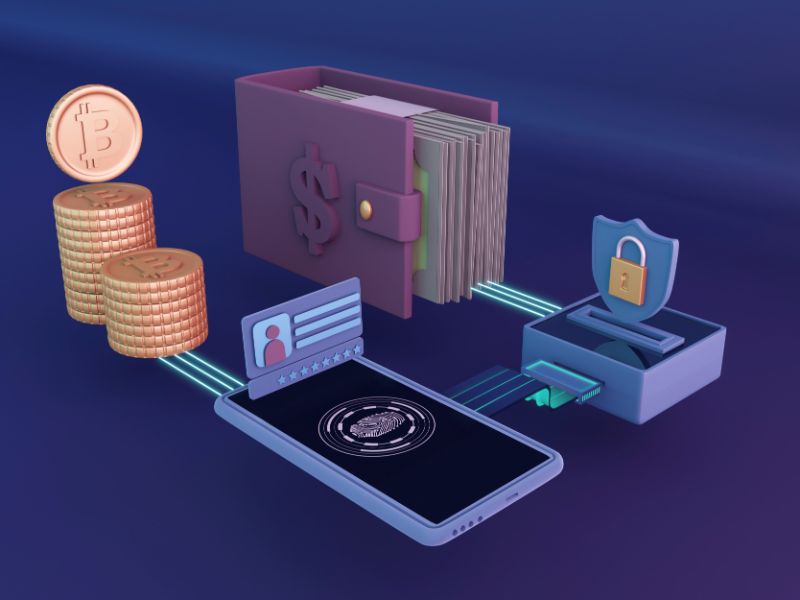
Caption: Types of crypto wallets: Understanding your best options visual context for BTW intelligence coverage. · Source context: Existing article media was retained or restored as the subject-specific visual basis. · Relevance reason: Types of crypto wallets: Understanding your best options is the primary subject or event subject; the image supports the article's market reading. · Image provenance: Existing curated article image retained because it is subject- or event-specific and not a generic pool placeholder.

Sources

Public references used for this article.

CategoryInstitution

Types of crypto wallets: Understanding your best options is tracked as a internet infrastructure institution within the internet infrastructure ecosystem.

RegionGlobal

Types of crypto wallets: Understanding your best options has public-source relevance to network operations, governance, dependency mapping, or market structure.

Signal FocusInternet infrastructure institution

Types of crypto wallets: Understanding your best options has public-source relevance to network operations, governance, dependency mapping, or market structure.

Content TypeProfile

Types of crypto wallets: Understanding your best options is tracked as a internet infrastructure institution within the internet infrastructure ecosystem.

Primary DomainSecurity

Public-source signals support medium-impact monitoring for infrastructure visibility and dependency analysis.

TopicInternet infrastructure institution

Types of crypto wallets: Understanding your best options is profiled by BTW Media because published evidence links it to internet infrastructure, governance, operational dependencies, or market visibility.

ImpactMedium

Public-source signals support medium-impact monitoring for infrastructure visibility and dependency analysis.

Confidence?Confidence Grade
0.90–1.00AHigh — direct sources
0.75–0.89A/BStrong
0.55–0.74B/CMedium
0.35–0.54C/DWeak–medium
0.10–0.34DWeak signal
0.00–0.09DInternal monitoring
Limited confidence (72%)

Several public sources

Types of crypto wallets: Understanding your best options is profiled by BTW Media because published evidence links it to internet infrastructure, governance, operational dependencies, or market visibility.

  • Hot wallets are connected to the Internet, making them less secure and more susceptible to risks, but they are user-friendly. Cold wallets, on the other hand, are stored offline and do not require internet connectivity, thus offering improved security with reduced risk.
  • Hardware wallets are devices designed to manage public addresses and keys. They resemble a USB drive with an OLED screen and side buttons.

A cryptocurrency wallet is a digital wallet that allows users to manage their cryptocurrencies. It’s akin to a digital bank account where you can send, receive, and manage your digital currency. But unlike traditional bank accounts, these wallets can be as diverse as the cryptocurrencies they hold. A cryptocurrency wallet is a digital wallet that allows users to manage their cryptocurrencies. A wallet is a combination of a public address and a private key. The wallets can be categorised based on the method and location of storage in the following segments. Crypto wallets can broadly be categorised into cold wallets and hot wallets.

Hot and cold wallets

Internet connectivity defines a wallet in terms of hot or cold. Hot wallets are connected to the Internet and thus are less secure and pose more risks but are user-friendly. Cold wallets, on the other hand, are stored offline and don’t require internet connectivity. Thus, improving security and less risk. When compared to a safe or a vault, more substantial sums of money can be stored than that in a carry-around wallet. Hot wallets are more likely to be used for daily transactions, and cold wallets for more long-term holdings. Hot wallets are easy to set up, and the funds are quickly accessible. Traders conveniently use them. Cold wallets are hack resistant, and thus the cold storage is suitable for HODLers. As a protection method, only a small percent is stored in hot wallets while being able to trade directly from their cold storage devices.

Also read: Ways to make money with crypto

Also read: Shielding your coins: The rise of cryptocurrency insurance

Hardware wallets

Hardware wallets are devices designed to manage public addresses and keys. They resemble a USB drive with an OLED screen and side buttons. It is a battery-less device and can be connected to a PC and accessed by native desktop apps. It costs up to 70-150 dollars, but it is worth it. They have received a mixed response. They are more secure than hot wallets and user-friendlier than paper wallets but less than web and desktop wallets. They are available in different forms and offer reasonable amounts of control. They are difficult for beginners to use when the investment is significant. The Most popular hardware wallets are Ledger Nano S and Trezor.

Paper wallets

It is a physically printed QR coded form wallet. Some wallets allow downloading the code to generate new addresses offline. They are not prone to hacks, but the number of flaws has made them dangerous. A major flaw is not being able to send partial funds. Thus, it can’t be reused. They used to be very popular for cold storage, but not after hardware wallets came onto the scene. All in all, if stringent security precautions are taken, then paper wallets can be set up.

At A Glance

  • Name: Types of crypto wallets: Understanding your best options
  • Type: Internet infrastructure institution
  • Base: Global
  • Profile focus: Institution

What It Does

  • Public records support monitoring of its role, services, and key relationships.

Why It Matters

  • Public-source signals support medium-impact monitoring for infrastructure visibility and dependency analysis.
  • Operational criticality: Medium
  • Time horizon: Next quarter

What To Watch

  • Monitoring focuses on verified service continuity, governance changes, and relationship signals.
NowMedium priority

Track verified source updates, role changes, and current public evidence.

QuarterMedium policy sensitivity

Public-source signals support medium-impact monitoring for infrastructure visibility and dependency analysis.

YearNext quarter outlook

Longer-term relevance depends on verified operating, policy, and relationship changes.

Member Briefing

Deeper Profile Context

Login is required to unlock the full profile briefing and source notes.

Only for Strategy Circle

Strategic Circle Access

Open to all readers. Unlock profile briefings after joining and logging in.

Join Strategic Circle

Only for Leadership Alliance

Leadership Alliance Access

For owners and management of IP-holding companies. Login required to unlock.

Join Leadership Alliance
← BackAll Companies