
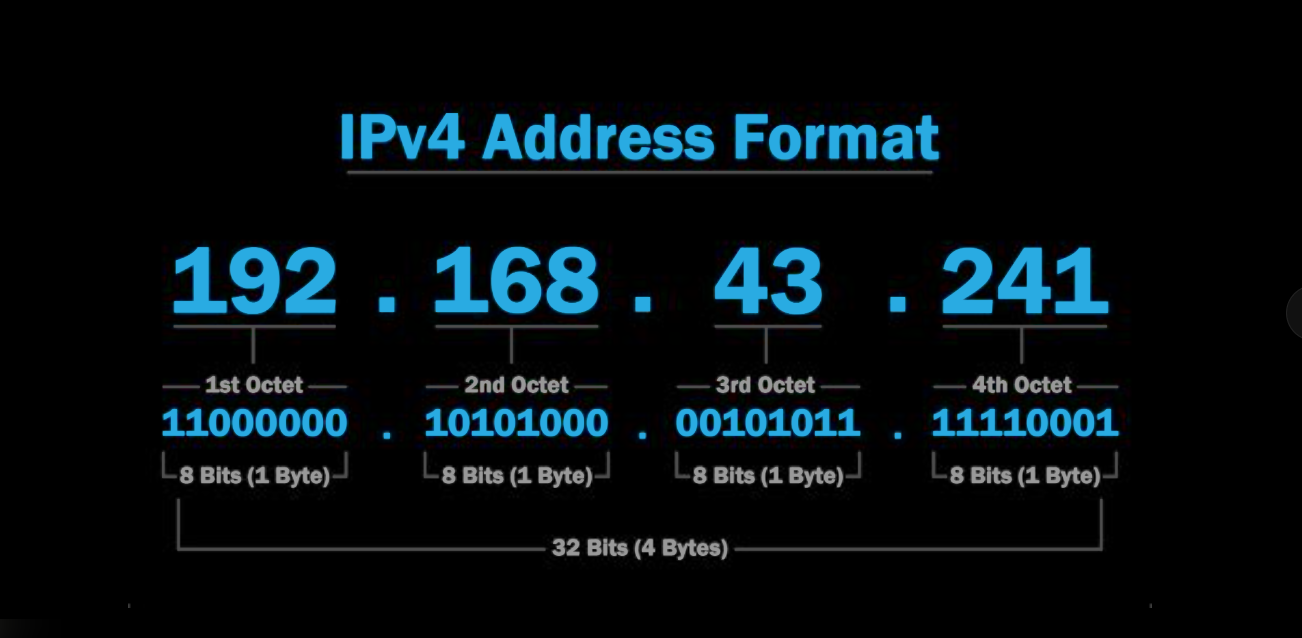
- IPv4 address blocks have become scarce digital assets whose value depends on size, cleanliness, and transferability.
- Real-world transactions show how accurate valuation can materially affect ISP balance sheets and investment decisions.
Why IPv4 scarcity underpins valuation
IPv4 addresses are no longer a purely technical resource. As exhaustion has spread across regional registries, address blocks have increasingly been treated as balance-sheet assets, particularly by internet service providers (ISPs). BTW has previously explored this shift in Why IPv4 Scarcity Makes IP Addresses the Most Valuable Digital Asset for ISPs, which builds on the idea of IP addresses as “digital capital” explained here:
Valuing IPv4 blocks starts with understanding scarcity. Geoff Huston, Chief Scientist at APNIC, has repeatedly noted that IPv4 exhaustion “has transformed addresses from an abundant technical identifier into a constrained economic resource,” a change that underpins today’s secondary market.
Also Read: https://btw.media/en/allit-infrastructure/what-makes-an-ip-address-a-form-of-digital-capital/
Key factors that determine IPv4 block value
When assessing the value of an IPv4 block, ISPs and investors typically look at several factors:
- Block size and prefix length: Larger, contiguous blocks (/16 or /17) usually command a premium over fragmented /24s.
- RIR status and transferability: Blocks that can be cleanly transferred under ARIN, RIPE NCC, or APNIC policies are more liquid.
- History and reputation: “Clean” addresses with no spam or blacklist history are more valuable, as they reduce operational risk.
- Regional demand: Prices vary depending on local scarcity and policy constraints.
According to IPv4 market analyses published by brokers such as IPv4. Globally, average prices have fluctuated over time but have remained resilient despite IPv6 deployment, reflecting ongoing operational dependence on IPv4.
Case studies: how IPv4 blocks are valued in practice
One of the most cited case studies is Microsoft’s 2011 acquisition of approximately 666,000 IPv4 addresses from Nortel Networks during its bankruptcy proceedings. At the time, the deal highlighted that IPv4 blocks could attract multi-million-dollar valuations independent of underlying network infrastructure.
More recently, transfers documented by ARIN show mid-sized ISPs monetizing unused address space to fund network upgrades or IPv6 transitions. In several cases, IPv4 sales have generated capital comparable to years of operating profit, reinforcing the need for accurate valuation and timing. Heng.lu has analyzed similar transfers, noting that poorly timed sales or undervaluation can permanently weaken an ISP’s strategic position once address space is gone.
Valuation in a dual-stack future
While IPv6 adoption continues, most networks still rely on IPv4 for compatibility and reach. As a result, IPv4 valuation is increasingly tied to how long organizations expect to operate dual-stack networks. The key question for asset holders is not whether IPv4 will disappear, but how long scarcity will sustain market value.