
- The rise of global digital jobs marks a transformative shift in the workforce landscape, driven by technological advancements and evolving work culture.
The rise of global digital jobs
The rise of global digital jobs marks a transformative shift in the workforce landscape, driven by technological advancements and evolving work culture. As internet accessibility expands across the globe, professionals in diverse regions connect with employers far beyond their local markets. Here is how digital jobs evolve from the 1970s.
Remote work timeline
Remote work has evolved significantly over the decades:
- 1970s: The concept of telecommuting emerged, driven by advancements in technology and environmental concerns.
- 1990s: The rise of the internet and personal computers made remote work more feasible, especially in tech and consultancy fields.
- 2000s: Companies began adopting flexible work policies, with tools like VPNs and email facilitating remote access.
- 2020: The COVID-19 pandemic accelerated remote work adoption globally, making it a mainstream practice for various industries.
- 2021 and beyond: Hybrid work models became popular, blending in-office and remote work to enhance flexibility and productivity.
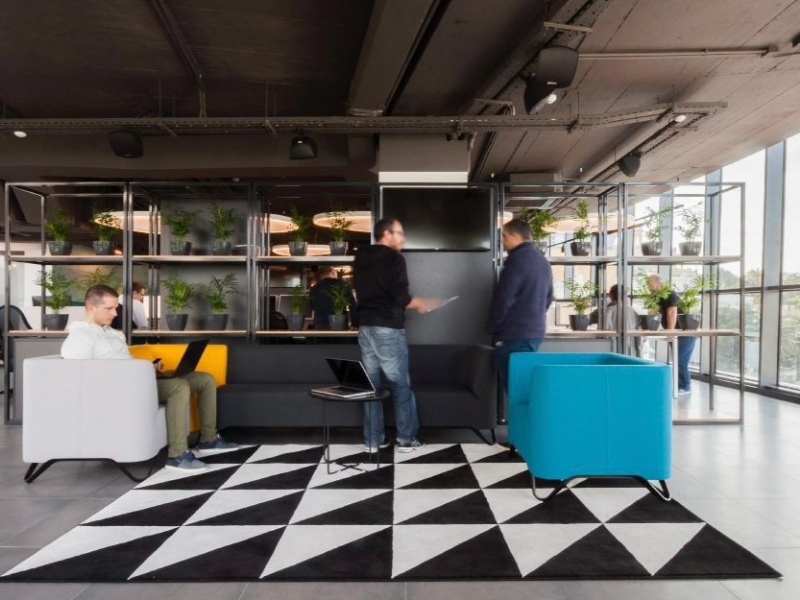
Remote work platform and tools
Freelance platforms
This connectivity allows for a seamless exchange of skills and ideas, creating a rich tapestry of global talent. Freelance platforms such as Upwork, Fiverr, and Freelancer have emerged as vital gateways, empowering individuals to offer their services to a worldwide audience. This democratization of work enables specialists in fields like graphic design, programming, writing, and digital marketing to thrive regardless of their geographical location.
Communication tools
Technology plays a pivotal role in connecting people globally to communicate. Tools such as Slack, Zoom, and Trello facilitate real-time communication and collaboration, ensuring that teams can work cohesively despite being spread across different time zones. Employers increasingly recognize the value of diverse perspectives that remote teams bring, enhancing creativity and innovation. Additionally, these tools help maintain productivity and accountability, allowing businesses to operate efficiently in a digital environment.
The cultural shift towards remote work further fuels this trend. Organizations are embracing flexible work policies, prioritizing results over physical presence. This shift not only attracts top talent but also fosters a healthier work-life balance for employees, who can now tailor their schedules to suit personal needs. The COVID-19 pandemic accelerated this transition, compelling companies to adapt to remote operations swiftly. As a result, many businesses realized the potential benefits of a distributed workforce, leading to a lasting embrace of hybrid work models.
Pop Quiz
When does VPNs and email facilitating remote access rise?
A 2000s
B.1970s
C.2010s
D.1990s
Answer is at the bottom of this feature!
Remote Work vs. Work in Office
Remote work and in-office work each offer distinct advantages and disadvantages, shaping how employees experience their professional lives.
Remote work
Remote work provides flexibility, allowing individuals to create schedules that suit their personal needs. This flexibility often leads to improved work-life balance, as employees can manage household responsibilities alongside their professional duties. Moreover, working from home eliminates commute times, freeing up valuable hours that can be used for productivity or relaxation. Many remote workers report increased job satisfaction, as they enjoy the comfort of their own environments and have the freedom to design their workspaces to enhance focus and creativity.
However, remote work also presents challenges. One significant issue is the potential for isolation. Without regular face-to-face interactions, employees may feel disconnected from their teams and company culture. This lack of social engagement can lead to feelings of loneliness and decreased motivation. Communication can also become more challenging; misinterpretations often arise in digital conversations, leading to misunderstandings and inefficiencies.
Additionally, the blurred boundaries between work and personal life can lead to burnout, as individuals struggle to “switch off” from their work responsibilities when their office is just a few steps away.
Work in Office
In-office work fosters a sense of community and collaboration that remote setups may lack. Employees benefit from spontaneous interactions with colleagues, which can spark creativity and drive teamwork. Face-to-face meetings often lead to more effective communication, as body language and immediate feedback enhance understanding. The structured environment of an office also helps many individuals focus better, minimizing distractions that might arise at home. Moreover, in-office work can support professional development through mentorship opportunities, networking, and direct access to leadership.
Despite these advantages, in-office work comes with its own drawbacks. Commuting can be time-consuming and stressful, negatively impacting employees’ overall well-being. Additionally, rigid office hours can hinder flexibility, making it challenging for employees to balance personal commitments. Workplace dynamics can also present issues, as office politics and interpersonal conflicts can detract from productivity and job satisfaction. In some cases, individuals may feel pressured to conform to a traditional work environment, stifling their creativity and autonomy.
companies that work fully remote
Several companies have successfully implemented fully remote work policies, allowing employees to work from anywhere. Here are some notable examples:
- GitLab: As a pioneer in remote work, GitLab has built a fully distributed team with no physical offices. They focus on asynchronous communication and have a comprehensive remote work guide.
- Zapier: This automation platform operates entirely remotely, employing team members from various countries. Zapier emphasizes work-life balance and flexible schedules.
- Automattic: The company behind WordPress.com and WooCommerce has a fully remote workforce, promoting a culture of autonomy and collaboration through digital tools.
- InVision: A digital product design platform, InVision operates without a physical office, emphasizing a strong remote culture and investing in employee engagement.
- Trello (Atlassian): Trello offers remote work options and has embraced a hybrid model, allowing employees to work from home or in the office, depending on their preferences.
- Basecamp: Known for its project management tools, Basecamp has a long-standing remote work policy, fostering a results-oriented work environment.
- And more!
companies that requires in-office work/hybrid work
- Goldman Sachs: The investment banking giant has encouraged employees to return to the office full-time, emphasizing the importance of in-person collaboration.
- JP Morgan Chase: The bank has implemented a return-to-office policy, urging employees to work in the office at least three days a week.
- Apple: Apple initially pushed for employees to return to the office three days a week, citing the benefits of in-person collaboration and innovation.
- Meta (Facebook): While Meta has embraced remote work options, they have also required employees to return to the office for certain roles, particularly those involving collaboration.
- Wells Fargo: The bank has encouraged its workforce to return to the office, aiming for a hybrid model where employees spend a significant amount of time in the office.
- IBM: IBM has moved to a hybrid work model, asking employees to be in the office regularly to enhance teamwork and collaboration.
- Citi: The financial services company has urged employees to return to the office, emphasizing the importance of face-to-face interaction in certain roles.
- Amazon: amazon require their employee on a five-day in-office work schedule.
Global job opportunities
The rise of global digital jobs addresses labor shortages in various industries. Companies can tap into talent pools from regions with lower costs of living, optimizing their resources while providing opportunities for skilled workers in developing countries. This win-win scenario promotes economic growth and development, as individuals gain access to well-paying jobs that may have previously been out of reach.
As businesses continue to navigate the post-pandemic landscape, the trend of global digital jobs is expected to grow. Companies are increasingly open to hiring talent from around the world, leveraging the unique skills that individuals bring from their cultural backgrounds. This global approach not only enriches teams but also enhances competitiveness in the marketplace.
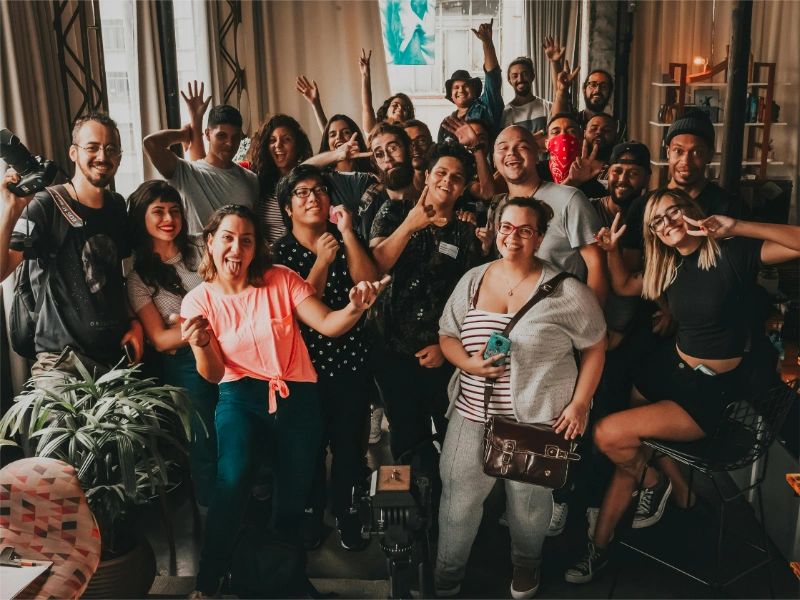
The rise of global digital jobs signifies a new era of work, characterized by increased connectivity, technological advancements, and a cultural shift toward remote flexibility. As businesses and employees adapt to this evolving landscape, they unlock the potential for innovation and collaboration across borders. This trend represents not just a response to current challenges but a reimagining of how work can be structured, paving the way for a more inclusive and diverse workforce.
As we move forward, the future of work promises to be shaped by the ongoing evolution of digital jobs, bringing opportunities and challenges that will redefine our professional lives.
In summary, the debate between remote work and in-office work hinges on various factors, including flexibility, communication, and community. While remote work offers unparalleled flexibility and comfort, it can also lead to feelings of isolation and challenges in communication. On the other hand, in-office work fosters collaboration and structured environments but often comes with the drawbacks of commuting and rigid schedules. As the workplace continues to evolve, understanding these pros and cons will help individuals and organizations find the right balance that supports productivity, creativity, and well-being.
The pop quiz answer is option A