
Tesla sues EVject over safety concerns with ‘Escape Connector’ is profiled by BTW Media because published evidence links it to internet infrastructure, governance, operational dependencies, or market visibility.
Tesla sues EVject over safety concerns with ‘Escape Connector’ is tracked as a internet infrastructure institution within the internet infrastructure ecosystem.
Tesla sues EVject over safety concerns with ‘Escape Connector’ has public-source relevance to network operations, governance, dependency mapping, or market structure.
Tesla sues EVject over safety concerns with ‘Escape Connector’ is tracked as a internet infrastructure institution within the internet infrastructure ecosystem.
Public-source signals support medium-impact monitoring for infrastructure visibility and dependency analysis.
Tesla sues EVject over safety concerns with ‘Escape Connector’ is profiled by BTW Media because published evidence links it to internet infrastructure, governance, operational dependencies, or market visibility.
Public-source signals support medium-impact monitoring for infrastructure visibility and dependency analysis.
| 0.90–1.00 | A | High — direct sources |
| 0.75–0.89 | A/B | Strong |
| 0.55–0.74 | B/C | Medium |
| 0.35–0.54 | C/D | Weak–medium |
| 0.10–0.34 | D | Weak signal |
| 0.00–0.09 | D | Internal monitoring |
Several public sources
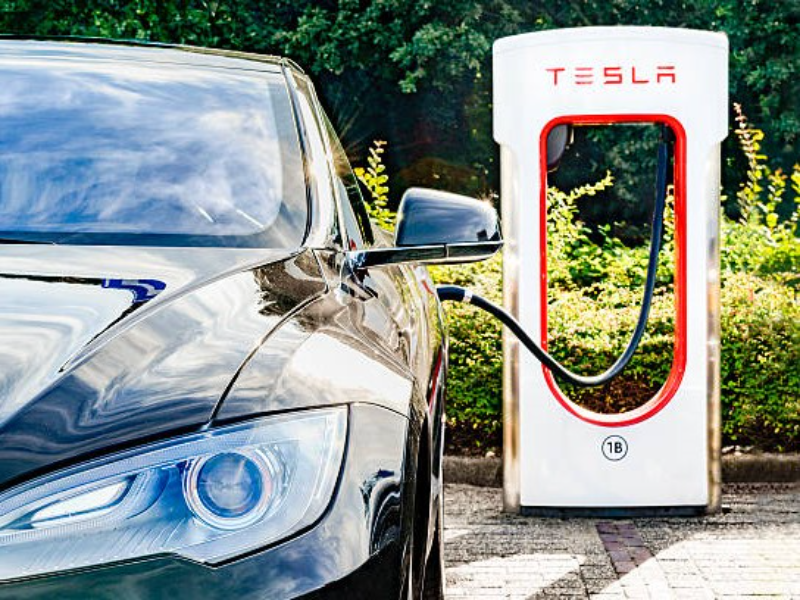
- Tesla is suing EVject over the Escape Connector, claiming it is unsafe and poses risks of injury and damage.
- Tesla seeks to block the import of the adapter in the US and demands $75,000 in damages, citing overheating issues during tests.
OUR TAKE
EVject’s “Escape Connector” has sparked a legal battle with Tesla, which deems it a safety risk. Tesla claims the connector overheats, endangering users and its charging infrastructure. In fact, no innovation can be at the expense of safety, and Tesla’s caution reflects its responsibility to consumers.
–Jasmine Zhang, BTW reporter
What happened
Tesla is suing EVject over its MagSafe-style Escape Connector, claiming it is unsafe and poses a high risk of injury and damage to property. Tesla’s tests indicated the product heats up to 100 degrees Celsius during high-current simulations, making it dangerous.
They argue that EVject falsely advertises the adapter as compatible with Tesla’s North American Charging Standard vehicles. Tesla seeks to block the import of the adapter in the US, ban the company from marketing it as safe, and demands $75,000 in damages for potential harm to their charging cables and infrastructure.
Also read: Tesla moves toward humanoid robots and self-driving Taxis
Also read: Tesla reports lowest profit margin in over five years
Why it’s important
EVject’s product, designed for a quick escape from charging stalls, has ignited Tesla’s fury, with the automaker accusing it of being a ticking time bomb. Tesla’s claims—that the connector can overheat to a scalding 100°C during high-current charging—highlight serious risks, not just for users but for the integrity of Tesla’s charging infrastructure.
While EVject markets its connector as a necessary safeguard against potential attacks, Tesla argues it’s a hazardous gimmick that jeopardises both lives and property. As electric vehicle adoption soars, this case underscores the critical need for rigorous safety standards amidst the rush for novel solutions. Will innovation or caution win out in this electrifying showdown? From my perspective, nothing is more important than security, and innovation cannot be built at the expense of security.
At A Glance
- Name: Tesla sues EVject over safety concerns with ‘Escape Connector’
- Type: Internet infrastructure institution
- Base: Global
- Profile focus: Institution
What It Does
- Public records support monitoring of its role, services, and key relationships.
Why It Matters
- Public-source signals support medium-impact monitoring for infrastructure visibility and dependency analysis.
- Operational criticality: Medium
- Time horizon: Next quarter
What To Watch
- Monitoring focuses on verified service continuity, governance changes, and relationship signals.
Track verified source updates, role changes, and current public evidence.
Public-source signals support medium-impact monitoring for infrastructure visibility and dependency analysis.
Longer-term relevance depends on verified operating, policy, and relationship changes.
Member Briefing
Deeper Profile Context
Login is required to unlock the full profile briefing and source notes.
Only for Strategy Circle
Strategic Circle Access
Open to all readers. Unlock profile briefings after joining and logging in.
Join Strategic CircleOnly for Leadership Alliance
Leadership Alliance Access
For owners and management of IP-holding companies. Login required to unlock.
Join Leadership Alliance


