

- Private Credit is filling the gap where traditional banks fall short, providing vital lifelines to small businesses
- The flexibility and speed of Private Credit come at a price: higher interest rates and increased risk exposure
- Fintech’s role in democratizing access to credit is both a boon and a challenge, raising questions about financial equity and systemic resilience

When Sarah Nguyen, the owner of a small digital design firm in Austin, Texas, faced a sudden cash crunch during the pandemic, traditional banks turned her away due to her lack of collateral. Private Credit from a Fintech platform was her only lifeline. The funds, although expensive with a 15% interest rate, enabled her to stabilize her business and even hire two employees. “It felt like a second chance,” she said.
Nguyen’s story is far from unique. Across the globe, Private Credit has rapidly gained traction as a key driver of financial inclusion. According to the Global Private Credit Report 2024, the sector has grown from $1 trillion in assets under management in 2015 to over $2.5 trillion today, with Fintech platforms accounting for a significant share. This growth, however, has sparked a heated debate: Is Private Credit truly democratizing access to finance, or is it exposing the economy to unprecedented risks?
Also read: Digital bank Onyx Private shuts down retail services, shifts focus to B2B
Also read: BancoBic focuses on banking growth and innovation
Private credit: A boon for small businesses

One of the key advantages of Private Credit is its ability to fill the gaps left by traditional banking systems. Startups and small businesses often struggle to secure loans due to stringent collateral requirements or lack of credit history. Private lenders, supported by Fintech platforms, use alternative data like transaction histories and social media behavior to assess creditworthiness.
“Private Credit is rewriting the rulebook on access to capital”, said Anne Fields, a senior economist at the Global Financial Access Initiative. “It’s a game-changer for entrepreneurs who have the ideas but not the conventional credentials to secure funding”.
Fields’ observation aligns with industry trends. According to the International Finance Corporation, over 40% of small and medium enterprises (SMEs) in emerging markets face an unmet financing need of $5.2 trillion annually. Fintech-facilitated Private Credit is helping to bridge this gap, with platforms like Kabbage and Funding Circle disbursing billions in loans globally.
Dr. Rachel Kim, the chief analyst at Fintech Horizons Research, emphasized how technology enables this transformation. “By leveraging machine learning and alternative datasets, Fintech platforms are uncovering credit opportunities in places traditional banks overlook. This is not just innovation; it’s economic empowerment on a global scale.”
At the same time, industry leaders highlight the importance of balancing accessibility with sustainability. “The key is to ensure that Private Credit growth doesn’t come at the cost of unsustainable debt burdens for small businesses,” said John Peters, managing director at Global Capital Partners. “There’s a thin line between providing a lifeline and creating a liability, and it’s one the industry must navigate carefully.”
Private Credit is rewriting the rulebook on access to capital. It’s a game-changer for entrepreneurs who have the ideas but not the conventional credentials to secure funding.
Anne Fields, a senior economist at the Global Financial Access Initiative
The cost of flexibility: Rising risks and hidden vulnerabilities

However, the very factors that make Private Credit appealing—flexibility, speed, and accessibility—also contribute to its risks. Higher interest rates and shorter repayment terms can burden borrowers, particularly in volatile economic conditions. For lenders, the reliance on alternative credit assessments raises the specter of misjudged risk profiles.
“The ease of access often blinds both borrowers and lenders to the potential downside”, warned Mark Greene, a former regulator with the U.S. Office of the Comptroller of the Currency. “In a downturn, the domino effect of defaults in this space could be catastrophic”.
Dr. Elena Morgan, a financial risk expert at the International Monetary Fund, emphasized that systemic risk could become increasingly opaque in the absence of regulation. “Private Credit platforms often operate in a regulatory gray zone, which means vulnerabilities can build up unnoticed. The consequences of ignoring these blind spots could mirror those of the subprime mortgage crisis,” she said.
Additionally, fintech-driven credit evaluation methods, while innovative, are not foolproof. “Algorithms don’t fully account for macroeconomic shocks or black swan events,” noted Ajay Prasad, CEO of RiskLine Analytics. “Over-reliance on these tools might lead to systemic misjudgments that are only revealed during a crisis.”
This concern isn’t hypothetical. During the 2023 downturn, several Private Credit lenders reported default rates exceeding 15%, double that of traditional bank loans. Such figures highlight the sector’s vulnerability to economic shocks, especially as it grows unchecked in some regions.
The ease of access often blinds both borrowers and lenders to the potential downside. In a downturn, the domino effect of defaults in this space could be catastrophic.
Mark Greene, a former regulator with the U.S. Office of the Comptroller of the Currency
Also read: How generative AI can help banks manage risk and compliance?
Systemic implications: A financial ecosystem in flux

Private Credit’s rapid expansion also raises broader questions about systemic stability. Unlike traditional banks, many Private Credit providers operate outside strict regulatory frameworks, relying on Fintech algorithms to manage risk. While this innovation accelerates growth, it can also create blind spots.
For instance, a 2024 report by the Basel Committee on Banking Supervision highlighted how interconnected Fintech platforms could amplify systemic risks. The report noted: “The concentration of credit exposure in unregulated entities, coupled with algorithm-driven decision-making, poses a significant challenge to financial stability”.
Experts like Dr. Claudia Martinez, a professor of Fintech Economics at the University of London, argue for a balanced approach. “We need regulations that encourage innovation but also safeguard against systemic vulnerabilities. Ignoring this balance could have dire consequences”.
We need regulations that encourage innovation but also safeguard against systemic vulnerabilities. Ignoring this balance could have dire consequences.
Claudia Martinez, a professor of Fintech Economics at the University of London
Pop quiz
What is one of the main advantages of Private Credit compared to traditional bank loans?
A. Lower interest rates than traditional banks
B. Flexible repayment terms and innovative credit assessments
C. Guaranteed approval for all applicants
D. Exemption from any regulatory oversight
(The correct answer is at the bottom of the article)
Ethical dilemmas: Financing growth vs. Profiting from debt

Another contentious aspect of Private Credit’s rise is its ethical dimension. Critics argue that some Fintech platforms prioritize profit over financial inclusion, targeting borrowers with high-interest products that can lead to debt traps.
“There’s a fine line between offering a lifeline and exploiting desperation”, said James O’Connor, a policy analyst at Ethical Finance Watch. O’Connor believes that without stringent consumer protection measures, Private Credit could exacerbate economic inequalities rather than alleviate them.
Dr. Priya Sethi, a behavioral economist at the London School of Economics, highlighted the psychological impact on borrowers. “High-interest loans often create a cycle of financial dependency. Borrowers feel compelled to take on more credit to repay previous debts, which traps them in a perpetual state of vulnerability,” she explained.
On the flip side, proponents highlight the sector’s role in empowering underbanked communities. They argue that the high costs reflect the higher risks involved and that responsible borrowing can yield transformative benefits for individuals and businesses alike.
Towards a sustainable future: Finding the right balance

To ensure Private Credit fulfills its potential as a Fintech growth engine without becoming a systemic liability, industry stakeholders and regulators must collaborate on several fronts:
- Enhanced Transparency: Lenders should disclose all costs and risks associated with loans, enabling borrowers to make informed decisions.
- Regulatory Oversight: Governments need to establish frameworks that hold Private Credit providers accountable while allowing innovation to thrive.
- Financial Literacy Programs: Borrowers should be educated on the risks and responsibilities of using Private Credit, particularly in underserved regions.
Efforts are already underway. In 2024, the European Central Bank launched a pilot program to integrate Fintech-driven credit assessments into its regulatory oversight. Similarly, private initiatives like the Responsible Lending Alliance are setting industry standards for transparency and ethics.
The road ahead
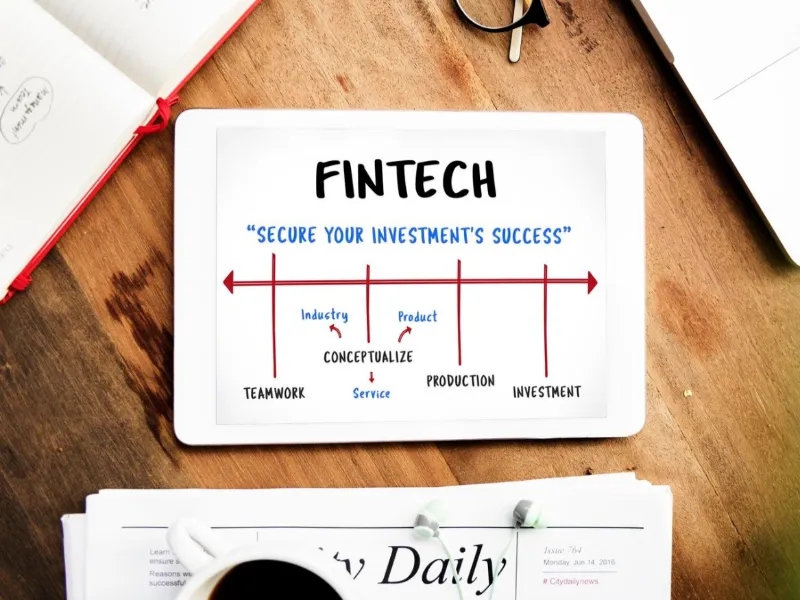
The rise of Private Credit as a cornerstone of Fintech growth is both an opportunity and a challenge. It has unlocked new avenues of financing for small businesses, driving innovation and economic activity. Yet, its rapid expansion without adequate safeguards risks creating vulnerabilities that could ripple through the financial ecosystem.
As Sarah Nguyen reflects on her journey, she remains optimistic but cautious. “Private Credit saved my business, but I know it’s not a solution for everyone. It’s a tool, and like any tool, it depends on how you use it.”
The future of Private Credit will depend on whether stakeholders can strike the right balance—leveraging its strengths while mitigating its risks. As the sector matures, one thing is clear: its impact on the Fintech landscape, for better or worse, is here to stay.
Quiz answer
B. Flexible repayment terms and innovative credit assessments