
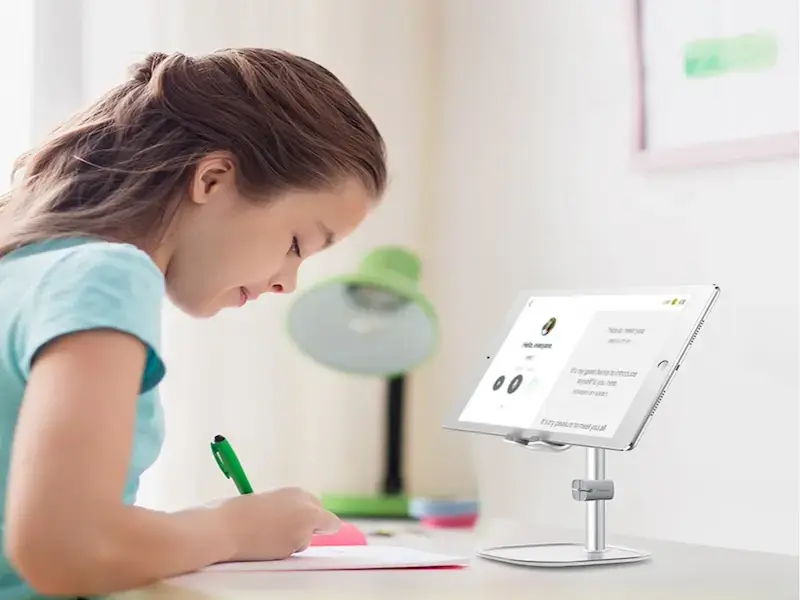
- Over 50,000 parents have signed a petition urging the South Korean government to prioritise student well-being over the introduction of AI-powered textbooks in classrooms.
- The government’s plan includes using tablets for customised learning by 2028, but many parents worry about the negative effects of increased screen time on children’s development.
OUR TAKE
The introduction of AI textbooks shows the forward-looking nature of Korean education. Parents’ concerns about their children’s access to electronics and their overall health need to be addressed and addressed. Balancing technology integration with healthy development practices is critical to fostering an effective learning environment.
–Lily,Yang, BTW reporter
What happened
In South Korea, a government initiative to implement AI-powered textbooks through tablets in classrooms has sparked skepticism among parents. Scheduled for rollout next year, these tablets aim to support customised learning across various subjects by 2028, excluding music, art, physical education, and ethics.
Despite this ambition, minimal details have been provided on the execution, leaving many parents uneasy. A significant number, over 50,000, have signed a petition advocating for a greater focus on students’ well-being rather than new technologies. Concerns revolve around the potential adverse impacts of excessive digital device usage on children’s brain development, concentration, and problem-solving skills.
One concerned parent expressed worries about their children’s reliance on smartphones and tablets, fearing it could hinder their cognitive abilities at a critical stage in life.
Also read: Hedge funds pour into South Korea for next wave in AI
Also read: EthERNet develops advanced educational technology in Ethiopia
Why it’s important
The introduction of AI textbooks in South Korean schools represents a major shift toward modern education in the country. However, the backlash from parents highlights important considerations for children’s health and development.
The petition, which has more than 50,000 signatures, reflects widespread anxiety and concern among parents about the impact of increased screen time. Critics argue that the focus should shift to holistic educational practice that prioritises mental health versus technological progress.
While integrating AI into learning can provide a personalised experience, it is also crucial to ensure that this innovation does not detract from essential developmental skills. Discussions around the initiative will increasingly focus on finding a balance between using technology to improve education and protecting students from potential overexposure to digital devices.
As policymakers move forward, addressing these issues will be critical to fostering trust and ensuring that the implementation of AI tools truly benefits student learning outcomes.