
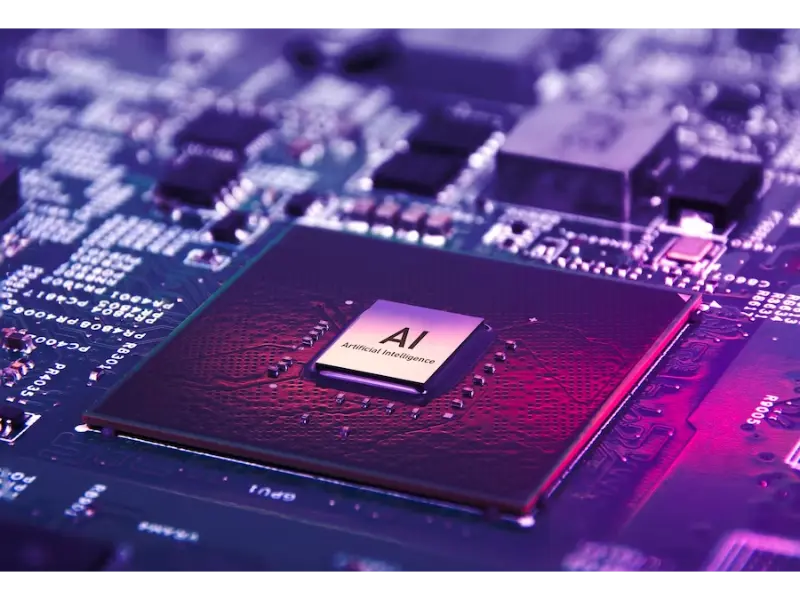
- Nvidia’s launch of the B100 AI processor solidifies its dominance in AI computing.
- Surging demand for Nvidia’s chips and software highlights industry anticipation.
- Expansion into cloud services raises concerns among existing providers.
OUR TAKE:
The unveiling of Nvidia’s B100 AI processor marks a significant leap in AI computing, cementing the company’s position as a market leader. With soaring demand for its chips and software, Nvidia’s expansion into cloud services poses a potential threat to existing providers. The company’s stock surge reflects strong investor confidence in its prospects.
— Iris Deng, BTW reporter
Nvidia will unveil its new AI chips next Monday
Facing the question of whether Nvidia can parlay its recent, massive lead in AI computing into long-term dominance of a new era of computing, Nvidia is poised to launch its next generation of high-end AI processors, possibly named the B100, at a Silicon Valley hockey arena on Monday. This chip will serve as the cornerstone of Nvidia’s AI system and is expected to commence shipping later this year. This chip will serve as the cornerstone of Nvidia’s AI system and is expected to commence shipping later this year.
Jensen Huang co-founded Nvidia in 1993 and has been CEO ever since. The conference where B100 will be unveiled is the company’s annual developer conference, also the first to be held in person since the pandemic. There will be 16,000 people to attend, roughly double the number who went to the 2019 show.
Nvidia’s dominance in AI computing sparks supply demand iimbalance and industry speculation
Currently, the demand for Nvidia’s AI chip has outstripped supply. The developers have waited for months only to use AI-optimized computers at cloud providers.
Nvidia’s stock has soared another 83% in 2024 after more than tripling last year. Even after that surge, Nvidia’s shares are trading at just 34 times expected earnings, according to the London Stock Exchange Group (LSEG), which is cheap compared to its 58 times price-to-earnings ratio a year ago.
In the past year, Nvidia began providing its chips and software as a cloud service to developers, and analysts are keen to see how the company will expand this initiative.
“The services side is a software play,” said Ryan Shrout of chip analysis firm Shrout Research. He said analysts will closely observe whether cloud and software providers are “possibly getting nervous about Nvidia playing in their playground.”