
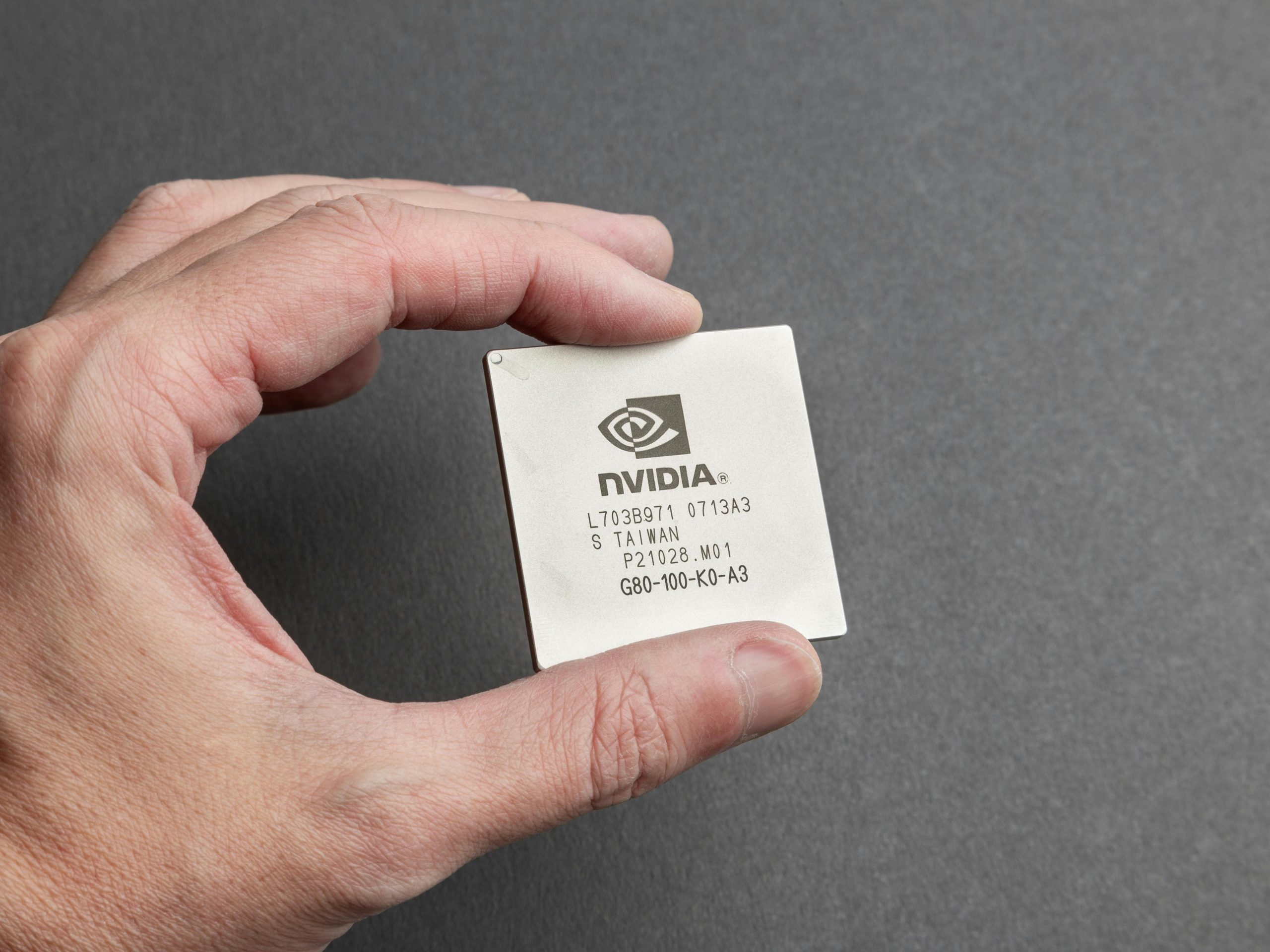
- Nvidia’s market share in China has dropped from 95% to 50% due to export restrictions.
- The company faces financial hit from unsold inventory and lost sales.
Jensen Huang: AI chip export limits boost China
At the Computex Taipei tech conference in May 2025, Nvidia CEO Jensen Huang criticised US export restrictions on high-tech chips to China, calling them a “failure.” He highlighted a drastic decline in Nvidia’s market share in China, dropping from 95% to 50% over four years. Huang argued that the controls have instead spurred Chinese companies to accelerate development, supported by increased government backing.
These export curbs, put in place during the Trump administration, were intended to limit China’s access to advanced chipmaking technologies. However, Huang suggests that the restrictions may have spurred domestic innovation within China, helping local chipmakers to develop their capabilities and reduce dependence on US technology.
The financial impact on Nvidia has been significant. The company reported a $5.5 billion charge due to unsold inventory and lost sales, including those of its specially designed H20 chips.
Also read: China acquired banned Nvidia chips in Super Micro, Dell servers
Also read: Nvidia stock declines amid tech sell-off and investor concerns
Why it’s important
Huang’s comments underscore growing concerns within the tech industry about restrictive trade policies and their impact on American global competitiveness. By limiting access to the Chinese market, US companies like Nvidia face substantial financial losses and risk ceding technological leadership to emerging Chinese firms.
The situation also highlights the unintended consequences of export controls. Rather than hindering China’s technological advancement, these measures may be accelerating it by prompting increased investment and innovation within the country. This shift could have long-term implications for the global semiconductor industry and the balance of technological power.
As the US government continues to navigate the complex landscape of international trade and national security, Huang’s critique serves as a cautionary tale about the potential drawbacks of broad, sweeping export restrictions.