
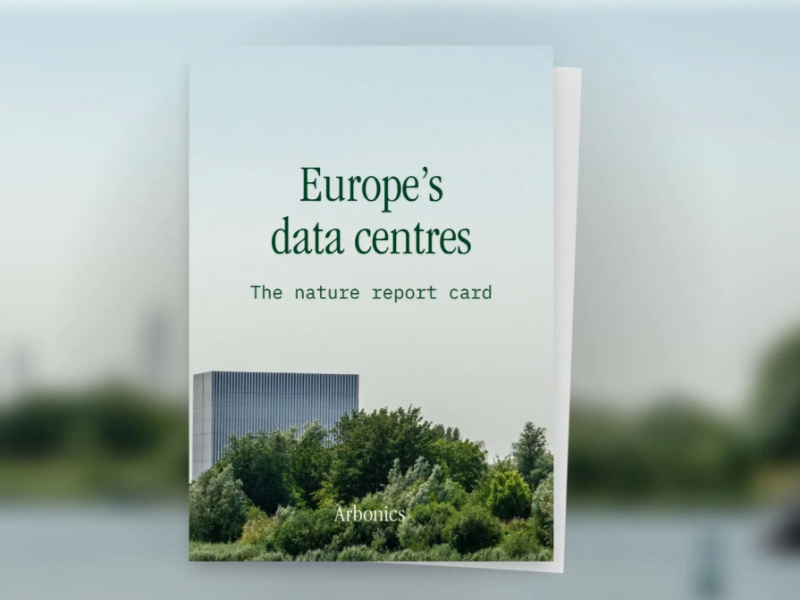
- A new analysis from Arbonics reveals that Europe’s data centre emissions are increasing, driven by rapid capacity expansion and rising energy demand.
- The study suggests that existing climate goals may be undermined unless operators adopt stronger mitigation measures and greater transparency.
What happened: Arbonics publishes detailed data centre emissions analysis
A report published by Arbonics on current trends in European digital infrastructure has drawn attention to the growing environmental impact of data centres across the continent. The analysis indicates that, despite improvements in energy efficiency, total greenhouse gas emissions associated with data centre operations are rising in parallel with the expansion of capacity to meet demand for cloud, artificial intelligence and digital services.
The Arbonics report highlights that data centre operators are increasing power usage to support high-performance computing, cooling and network connectivity, even as some facilities incorporate renewable energy sources. It notes that while some countries, including Sweden and Norway, benefit from low-carbon grids, other regions still rely heavily on non-renewable power, contributing to elevated emissions.
The study also points to a lack of standardised reporting across the industry, making it difficult to compare environmental performance consistently. Arbonics argues that clearer frameworks for emissions measurement, disclosure and mitigation are needed if the sector is to align with broader European climate commitments. Several major operators have already begun reporting emissions voluntarily, but the report contends that uptake and quality of data vary widely.
Also Read: China bars ByteDance from using Nvidia chips in new data centres
Also Read: Amazon commits $15B to Indiana for AI-ready data centres
Why it’s important
The findings come at a pivotal moment for Europe’s digital infrastructure sector. Data centres are critical to economic growth and technological innovation, underpinning services from streaming and e-commerce to cloud computing and AI. However, their environmental footprint is increasingly under scrutiny as governments pursue ambitious climate targets under the EU Green Deal and national decarbonisation plans.
Rising data centre emissions complicate efforts to reduce overall energy sector carbon intensity. If unchecked, this trajectory could undermine national emissions reduction targets and place additional pressure on grids already balancing renewable integration with reliability and cost concerns.
The report’s call for standardised environmental reporting echoes broader trends in sustainability governance, where stakeholders demand greater transparency and accountability. Improved reporting could enable investors, regulators and customers to make more informed decisions and accelerate the adoption of low-carbon technologies such as wastewater heat recovery, advanced cooling systems and on-site renewables.
As digital infrastructure continues to grow, balancing performance, cost and sustainability will be a defining challenge for operators and policymakers. The Arbonics report underscores the urgency of collaborative action across industry and government to ensure that Europe’s digital transformation proceeds without compromising climate ambitions.