
Musk says Neuralink implants 2nd patient with brain chip is tracked as a internet infrastructure institution within the internet infrastructure ecosystem.
Musk says Neuralink implants 2nd patient with brain chip has public-source relevance to network operations, governance, dependency mapping, or market structure.
Musk says Neuralink implants 2nd patient with brain chip is tracked as a internet infrastructure institution within the internet infrastructure ecosystem.
Public-source signals support medium-impact monitoring for infrastructure visibility and dependency analysis.
| 0.90–1.00 | A | High — direct sources |
| 0.75–0.89 | A/B | Strong |
| 0.55–0.74 | B/C | Medium |
| 0.35–0.54 | C/D | Weak–medium |
| 0.10–0.34 | D | Weak signal |
| 0.00–0.09 | D | Internal monitoring |
Several public sources
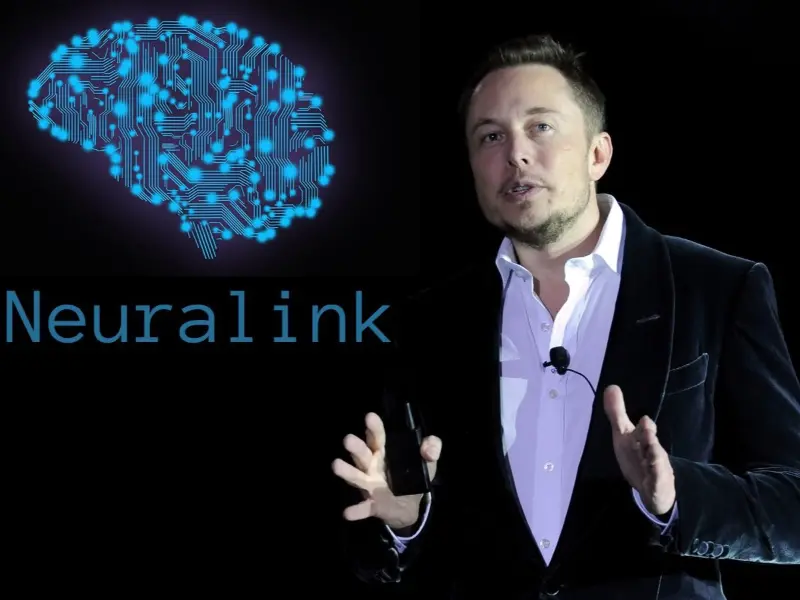
- Neuralink has successfully implanted its brain-computer interface device in a second patient, enabling them to control digital devices through thought.
- The first patient, Noland Arbaugh, has achieved significant independence, surpassing his previous world record for cursor control using only 10 to 15 per cent of the electrodes.
OUR TAKE
Neuralink’s success with the second patient is a significant breakthrough, offering hope to those with spinal cord injuries. The technology’s potential to improve quality of life and independence is immense, and its wider applications in treating neurological conditions are promising. Clinical trials will be crucial for refining the technology and ensuring its safety and effectiveness.
–Vicky Wu, BTW reporter See also: Carla Sanderson.
What happened
Elon Musk, the founder of Neuralink, has confirmed that the company has successfully implanted its brain-computer interface (BCI) device in a second patient. The device is designed to enable paralysed individuals to control digital devices through thought alone. The second patient, like the first, has a spinal cord injury. Musk did not disclose specifics about the timing of the surgery but noted that 400 of the 1,024 electrodes on the implant are currently functioning. Neuralink plans to implant the device in eight more patients this year as part of its clinical trials.
The first patient Noland Arbaugh, who became paralysed in a diving accident, can play video games, browse the internet, and post on social media by using the device, significantly increasing his independence. Before receiving his Neuralink implant in January, Arbaugh used a stick in his mouth to tap a tablet screen. With the implant, he can now control a computer cursor with his thoughts. Despite initial issues with electrode retraction, Neuralink adjusted the algorithm to enhance sensitivity, restoring the implant’s function. Arbaugh has surpassed his previous world record for cursor control using only 10 to 15 per cent of the electrodes, as mentioned by Musk. See also: Kaleem Ahmed Usmani.
Also read: Ex-CNN anchor Don Lemon sues Elon Musk over canceled X deal
Also read: 5 states urge Musk to tackle AI chatbots spreading election misinformation
Why it’s important
Based in Fremont, California, Neuralink is among several organisations focused on connecting the nervous system to computers. It makes great efforts to assist in treating brain disorders, overcoming brain injuries, and other medical applications. See also: ArdaDaglioglu AS210880 routing identity.
This milestone marks a significant step forward in Neuralink’s mission to help people with spinal cord injuries regain control over their lives. The successful implantation of the second patient validates the technology’s potential to improve the quality of life for those with severe disabilities. If the clinical trials prove successful, Neuralink’s BCI device could revolutionise the treatment of neurological conditions, offering a new level of independence and interaction with the digital world for paralysed individuals. See also: Arda Daglioglu.
The expansion of the clinical trials to include eight more patients will provide valuable data on the device’s long-term safety and effectiveness. This phase of the trial will be crucial for gaining regulatory approval and moving towards wider commercial availability. The potential impact of this technology extends beyond assisting paralysed individuals, as it could also have applications in treating brain disorders and other neurological conditions. See also: Arda Daglioglu's AS210880 lab profile.
Domain of operation
Musk says Neuralink implants 2nd patient with brain chip is profiled by BTW Media because published evidence links it to internet infrastructure, governance, operational dependencies, or market visibility.
- Public role: Musk says Neuralink implants 2nd patient with brain chip is framed by musk says neuralink implants 2nd patient with brain chip is tracked as a internet infrastructure institution within the internet infrastructure ecosystem. and public governance context. Evidence basis: Musk says Neuralink implants 2nd patient with brain chip article record; Musk says Neuralink implants 2nd patient with brain chip article record
- Operating surface: Internet infrastructure institution and Global provide the public context for this institution profile. Evidence basis: Musk says Neuralink implants 2nd patient with brain chip article record; Musk says Neuralink implants 2nd patient with brain chip article record
Timeline
- Musk says Neuralink implants 2nd patient with brain chip public profile updated
Public coverage records Musk says Neuralink implants 2nd patient with brain chip as a subject for role, operating context, and evidence review.
At A Glance
- Name: Musk says Neuralink implants 2nd patient with brain chip
- Type: Internet infrastructure institution
- Base: Global
- Profile focus: Institution
What It Does
- Public records support monitoring of its role, services, and key relationships.
Why It Matters
- Public-source signals support medium-impact monitoring for infrastructure visibility and dependency analysis.
- Operational criticality: Medium
- Time horizon: Next quarter
What To Watch
- Monitoring focuses on verified service continuity, governance changes, and relationship signals.
Track verified source updates, role changes, and current public evidence.
Public-source signals support medium-impact monitoring for infrastructure visibility and dependency analysis.
Longer-term relevance depends on verified operating, policy, and relationship changes.
Member Briefing
Deeper Profile Context
Login is required to unlock the full profile briefing and source notes.
Only for Strategy Circle
Strategic Circle Access
Open to all readers. Unlock profile briefings after joining and logging in.
Join Strategic CircleOnly for Leadership Alliance
Leadership Alliance Access
For owners and management of IP-holding companies. Login required to unlock.
Join Leadership AlliancePublic View
The public read of Musk says Neuralink implants 2nd patient with brain chip is limited to visible role, operating context, and relationship evidence.
Watchpoints
- New public role, affiliation, product, policy, or market disclosures.
- Verified relationship changes involving named organizations or people.
Caveats
- Private or unverified claims are excluded from this public view.
FAQ
Why is Musk says Neuralink implants 2nd patient with brain chip included?
Musk says Neuralink implants 2nd patient with brain chip has public evidence that makes the institution relevant to BTW's coverage of digital infrastructure, governance, or markets.
What is public about this profile?
The public layer covers visible role, operating context, linked organizations, and evidence-backed watchpoints.
What should readers watch next?
Readers should watch for source-backed role changes, new partnerships, regulatory exposure, operating expansion, or evidence that changes the public assessment.


