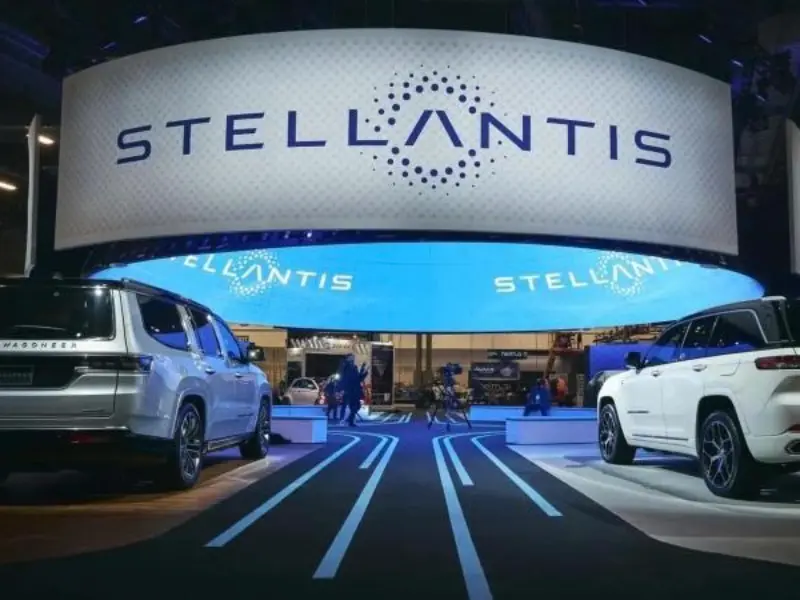
- Italy’s industry minister has urged Stellantis to commit to building a battery plant in Italy within hours or risk losing public funding.
- Stellantis’ joint venture, ACC, had put the project on hold but is now revising plans for the gigafactory.
OUR TAKE
Italy’s government is pressing Stellantis to commit to its planned battery plant in Termoli, emphasiing the urgency due to significant public investment at stake. This situation highlights the broader challenges and tensions between governments and multinational corporations regarding strategic investments in critical industries like battery production, which are essential for Europe’s transition to sustainable energy solutions.
-Rae Li, BTW reporter
What happened
Italy’s Industry Minister, Adolfo Urso, has demanded that Stellantis make a firm commitment to its planned battery plant in Termoli, Italy, or risk losing public funds allocated to the project. The battery plant, part of a broader initiative by ACC (a joint venture involving Stellantis, Mercedes, and TotalEnergies), was initially expected to cost around $2.2 billion, with approximately $400 million coming from the EU’s post-COVID recovery fund. Stellantis recently announced a reassessment of the project, delaying the plant’s construction while considering new technologies in response to changing market conditions.
Urso emphasises the urgency of Stellantis’ decision, stating that the government would move the allocated public funds elsewhere if the company fails to confirm its commitment. Stellantis, in turn, indicates that it is enhancing the Termoli gigafactory plan to accommodate evolving market demands and new production technologies. The company has also taken interim steps to boost production of hybrid engine components at the existing Termoli site, while a final decision on the gigafactory is expected later this year or early in 2025.
Also read: Italy’s Bending Spoons acquires file-sharing pioneer WeTransfer
Also read: Oracle enters agreement to use Rai Way data centres in Italy
Why it’s important
Stellantis’ commitment to the Termoli gigafactory is tied to significant public investment, with nearly $400 million in EU recovery funds at stake. If Stellantis fails to follow through, it can jeopardise Italy’s role in the emerging battery production sector, which is vital for the transition to electric vehicles and the overall competitiveness of the European automotive industry.
The situation underscores the tensions between national governments and multinational corporations in the context of strategic investments. Italy’s insistence on a firm commitment from Stellantis reflects the government’s broader concerns about the automaker’s investment levels in the country. This case can set a precedent for how governments across Europe engage with private companies in critical industries, particularly as the continent navigates its transition to more sustainable energy solutions.