
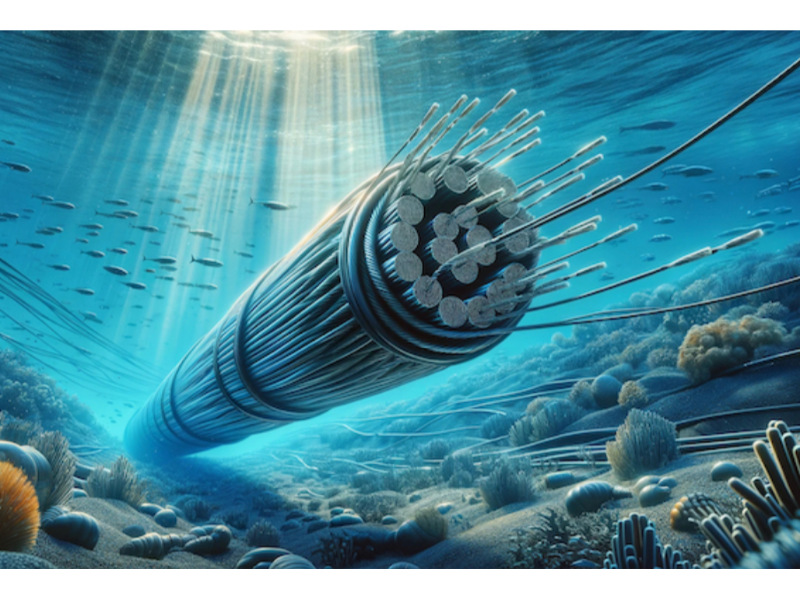
- Undersea cables carry 99% of international internet traffic, making them vital for global connectivity.
- Fibre-optic technology enables these cables to transmit data quickly, with minimal loss over long distances.
Yes, the internet is overwhelmingly connected by undersea cables. In fact, approximately 99% of global internet traffic is transmitted through undersea cables, which form the essential infrastructure that powers much of the world’s digital communication. These cables are the backbone of the internet, allowing for high-speed, reliable connections between continents and countries. In this article, we will explore how these undersea cables work, their importance to global connectivity, and the proportion of internet traffic they support.
Also read: What are undersea cables?
Also read: Undersea cables and global tensions: A geopolitical tug-of-war
The role of undersea cables in global internet connectivity
Undersea cables, also known as submarine cables, are an integral part of the global telecommunications infrastructure. These fibre-optic cables are laid across the ocean floor, connecting continents and enabling the swift transmission of data. The majority of the world’s internet traffic—around 99%—flows through these cables. In fact, without these cables, the high-speed, low-latency internet services that we rely on every day would not be possible.
The internet itself is a vast network of interconnected devices, data centres, and systems. These systems rely on physical infrastructure like undersea cables to link different regions and support the massive flow of data. While satellite communication does play a role in internet connectivity, it is limited by higher latency and lower bandwidth. In contrast, undersea cables offer far greater capacity, lower latency, and more stable connections for international data transfer.
How do undersea cables connect the internet?
The internet’s connection via undersea cables is based on fibre-optic technology, which uses light signals to transmit data. These fibre-optic cables are made of glass or plastic fibres that carry data as light pulses. The core of each cable is surrounded by several layers of protection, including copper or aluminium wire for strength, and waterproof coatings to safeguard against the harsh conditions of the deep ocean.
Each undersea cable contains multiple optical fibres bundled together. When data is transmitted, it is encoded into light pulses, which travel along these fibres at high speeds. The speed of light transmission allows for incredibly fast data transfer, making fibre-optic cables an ideal choice for long-distance communication. As a result, these cables can carry massive amounts of data, supporting services such as video streaming, online gaming, social media, and cloud computing, all of which require fast, uninterrupted connections.
The design of these cables ensures that data can be sent across great distances with minimal loss of signal. Along the length of the cable, repeaters are placed to amplify the light signal and maintain the data transfer rate. These repeaters are essential for maintaining the integrity of the signal over the thousands of kilometres between connecting points on land.
The proportion of internet traffic transmitted via undersea cables
Undersea cables are responsible for an overwhelming majority of international internet traffic. According to estimates, around 99% of global data traffic between countries is carried by undersea cables. This makes these cables indispensable for the functioning of the internet as we know it today.
To put this in perspective, when we use the internet for activities such as browsing websites, watching videos, or sending emails, much of the data we send or receive is transported via these cables. They connect data centres across the globe, providing the essential infrastructure for everything from international trade and financial transactions to social media and remote work.
While satellite communications account for a small fraction of global internet traffic, their capacity is much lower compared to undersea cables. Satellites have limitations in bandwidth and are subject to higher latency due to the vast distances the data must travel. Undersea cables, on the other hand, can transmit data with minimal delay, making them far superior for real-time communication and data-heavy applications.
How are undersea cables installed and maintained?
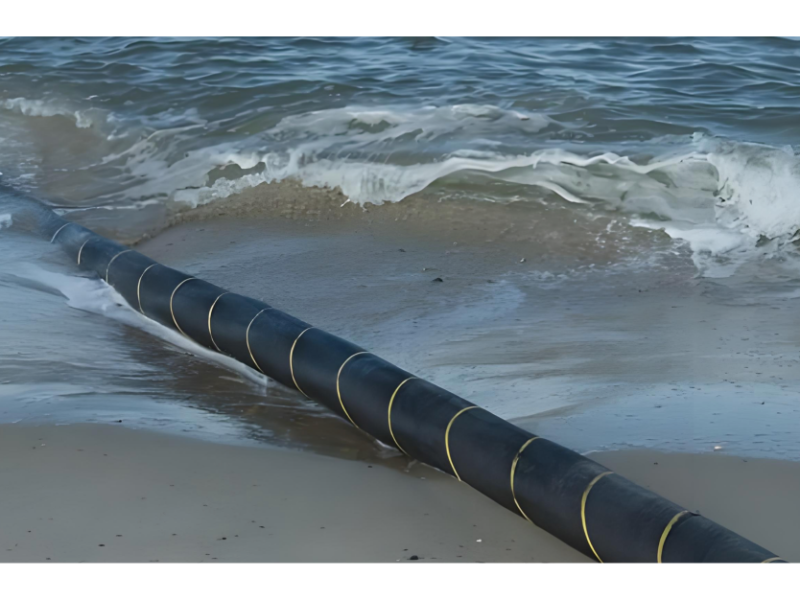
Installing undersea cables is a highly specialised and costly process. The cables must be laid along the ocean floor, a process that requires careful planning and coordination. Special ships are used to deploy the cables, which are placed in trenches along the sea bed or directly on the ocean floor, depending on the geography and ocean conditions.
The installation process involves several stages. First, engineers survey the ocean floor to determine the best route for the cable, avoiding underwater obstacles such as mountains, trenches, and volcanic ridges. The cables are then carefully laid and connected at both ends to terrestrial data centres, linking them to the internet infrastructure of each country.
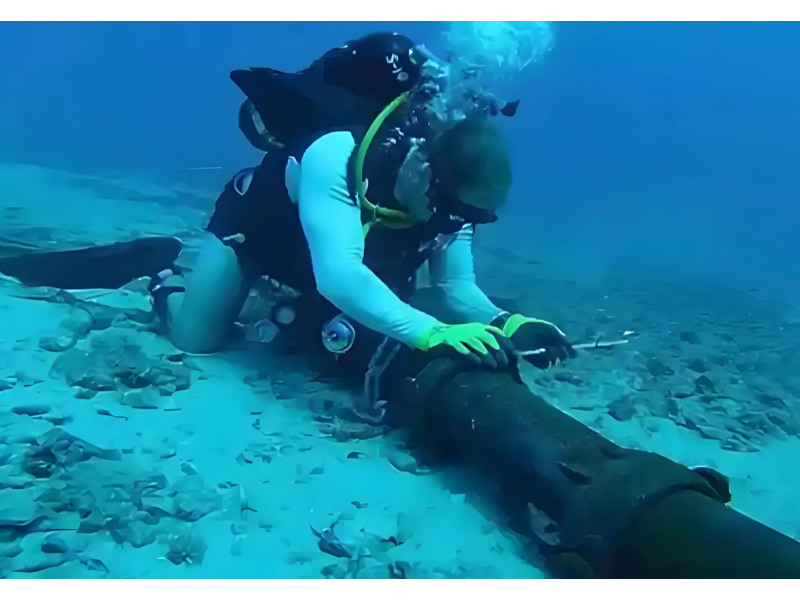
Once installed, undersea cables require constant maintenance and monitoring. Given their exposure to the elements and potential risks such as fishing activities or underwater earthquakes, they are vulnerable to damage. In the event of damage to a cable, repair teams use remotely operated vehicles (ROVs) to locate and fix the broken cable. This is a complex and costly process, but it is essential to maintain the reliability of the internet connection.
Security and vulnerabilities of undersea cables
Undersea cables, though critical for global internet connectivity, are vulnerable to several threats. Natural disasters, such as undersea earthquakes, can damage or disrupt cables, leading to temporary disruptions in internet service. Additionally, ship anchors and fishing activities pose risks to these cables, as they can accidentally damage or cut through the cables.
There are also concerns about the security of undersea cables from malicious attacks. Due to the strategic importance of these cables, some governments and private companies have implemented security measures to protect them from sabotage or espionage. For example, some cables are laid in areas that are difficult to access, while others are designed with redundancy, allowing data to be rerouted if a cable is damaged.
To mitigate risks, undersea cables are often monitored by security agencies and private companies. Monitoring systems detect any unusual activity or disruptions, allowing for quick responses to potential threats or faults.
Also read: Undersea cables cut: Baltic tensions resurface
Also read: GlobalConnect joins Arctic fiber cable project
The future of undersea cables
Undersea cables are an irreplaceable part of the global internet infrastructure, responsible for transmitting the vast majority of international data traffic. These cables, which rely on advanced fibre-optic technology, ensure high-speed, low-latency connectivity between continents, supporting everything from video streaming to cloud computing. As digital economies grow, the role of undersea cables will continue to increase, ensuring that the internet remains fast, reliable, and secure.
The future of undersea cables looks bright as the demand for high-speed, high-capacity internet continues to grow. With the increasing reliance on cloud computing, 5G networks, and emerging technologies like artificial intelligence, the need for undersea cables is set to increase.
To meet these demands, new cables are being laid down to connect more regions and increase data capacity. Advances in fibre-optic technology and cable design are also pushing the boundaries of what these cables can do, providing faster speeds and more secure connections.
As digital economies continue to expand, undersea cables will remain an essential component of the global internet infrastructure. The ongoing development and investment in undersea cable networks will ensure that the world stays connected, with faster, more reliable, and secure internet for years to come.