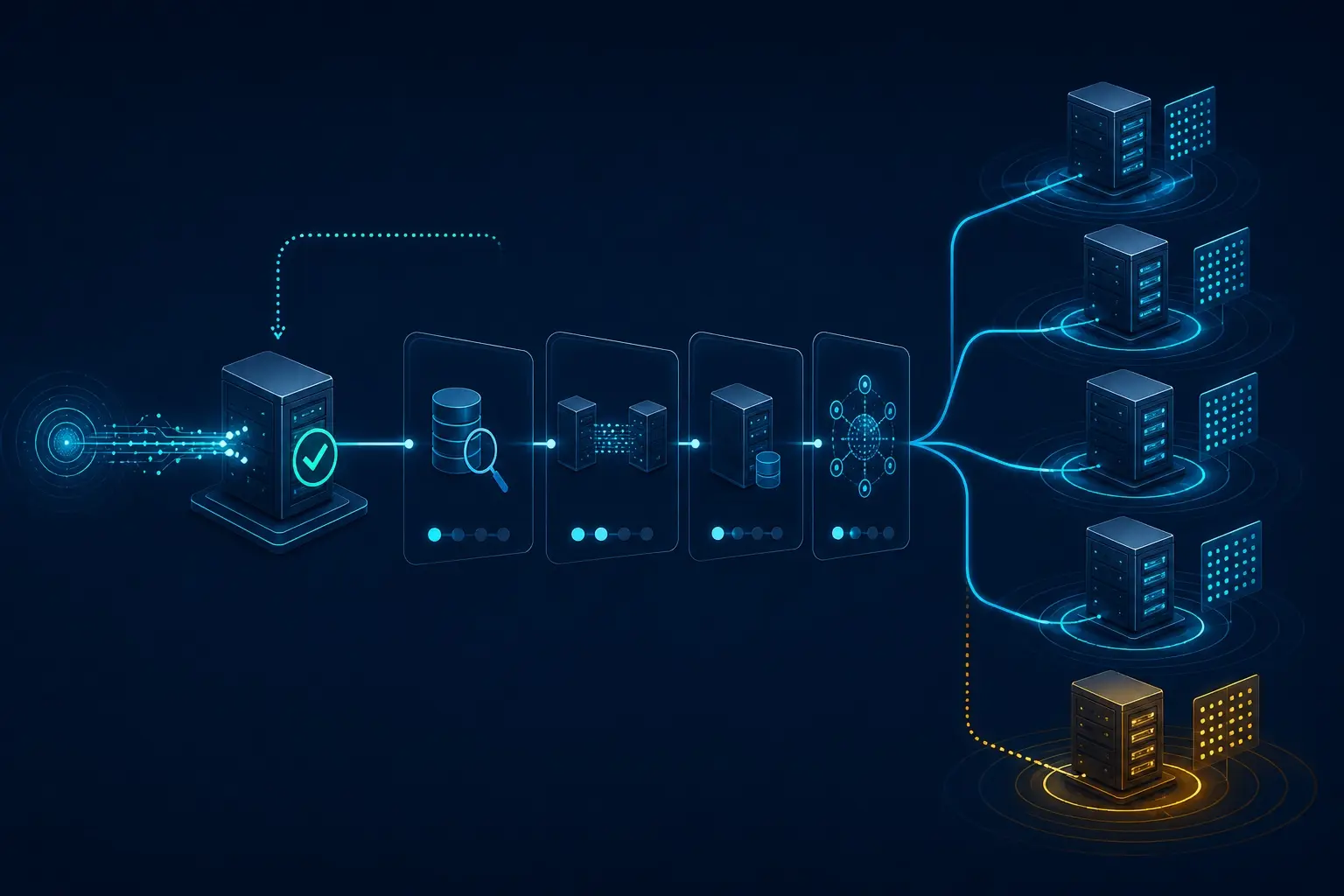
- Scarcity of IPv4 addresses drives up acquisition costs, forcing ISPs into expensive markets and complex mitigation strategies.
- Limited supply affects network scaling and investment decisions, contributing to competitive imbalances and delayed service rollout.
IPv4 scarcity: Why it matters to ISPs
The depletion of globally routable IPv4 addresses — a resource capped at about 4.3 billion unique identifiers — is no longer a theoretical issue but a practical economic constraint for Internet service providers (ISPs) worldwide. The global free pool of IPv4 address space was officially exhausted in the early 2010s, leaving ISPs to obtain addresses only through transfers, purchases or leases on a secondary market.
For ISPs, each public IPv4 address can represent a direct revenue opportunity, but scarcity has warped this into a significant cost centre. Scarce address blocks now trade at premium prices on secondary markets; depending on size and region, prices in 2025 have been reported in the range of several tens of dollars per address. This commoditisation has transformed what was once a purely technical resource into a tradable asset, raising barriers to entry for smaller providers and necessitating substantial capital allocation simply to maintain customer growth.
Also Read: Data sovereignty’s practical reality: Why law matters more than localisation
Economic pressures: Costs, competition, and network strategy
Scarcity has intensified competition for available IPv4 allocations. Larger cloud and telecommunications companies with extensive legacy holdings can monetise surplus addresses or leverage them for network expansion, while smaller ISPs face steeper acquisition costs or reliance on leasing arrangements. According to market analysts, the rise of IPv4 leasing offers some respite by reducing upfront purchase costs, but it also introduces recurring expenditures and contractual constraints.
ISPs have implemented technical tactics such as Carrier-Grade Network Address Translation (CGN) to stretch limited IPv4 space by allowing multiple users to share single public addresses. However, these mitigation strategies add operational complexity, can degrade performance, and sometimes limit direct hosting features for end users.
“Scarcity is not just a technical problem; it has become an economic factor shaping how networks evolve and compete,” notes industry commentator Bill Woodcock, who emphasises that constrained resources like IPv4 addresses influence market dynamics and competitiveness for service providers.
Also Read: Portability of internet number resources: Why ICP-2 revision must guarantee mobility
Transition, costs, and the future of IP addressing
Slow adoption of the successor protocol, IPv6, exacerbates the situation because IPv6 is not backward compatible with IPv4, compelling networks to run dual stacks and retain IPv4 capability for legacy connectivity. This necessity maintains demand for scarce IPv4 space and increases operational overhead.
Economically, this translates into higher operating costs, delayed infrastructure investments, and pricing pressures that filter down to consumers. While IPv6 promises a virtually inexhaustible address space, the transition remains incomplete, meaning IPv4 scarcity will continue to shape ISP strategies and market behaviour in the years ahead.